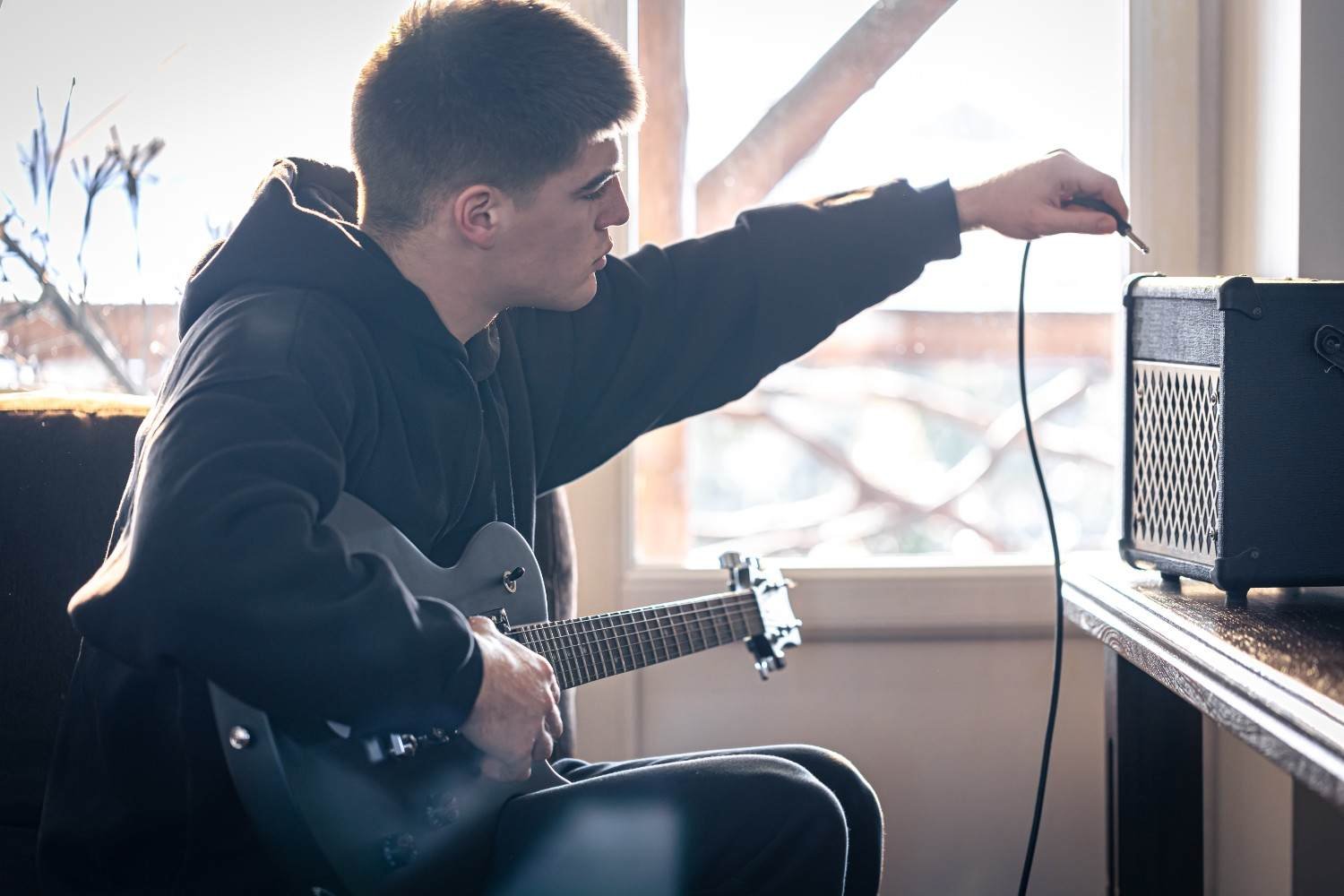
A beat can lose momentum before the artist even starts if the intro drags on too long. I have found that the best openings create interest fast, establish the mood, and then move naturally into the verse or hook without wasting bars. That is where how long a beat intro should be becomes an important production decision rather than just a matter of counting measures.
For most modern hip-hop, trap, drill, and R&B beats, I usually work within 4 to 8 bars. Depending on the BPM, that often falls somewhere around 5 to 15 seconds. Pop intros can be even shorter, while DJ-focused electronic tracks may need significantly more time for transitions and beatmatching.
The key is not simply making the intro short. It is making every second feel necessary.
How Many Bars Should a Beat Intro Be?
For most beats designed for rappers and singers, I prefer 4 or 8 bars.
A four-bar intro moves quickly and works well when I want the artist to enter almost immediately. An eight-bar intro gives me more room to establish a melody, sample, chord progression, atmosphere, or producer tag before the full beat arrives.
I do not treat these numbers as strict rules. Instead, I think about what the intro needs to accomplish. If the musical idea is already obvious after four bars, adding another four identical bars rarely improves the track.
How Long Should a Hip-Hop or Rap Beat Intro Be?
For modern hip-hop and rap beats, 4 to 8 bars is usually the most practical range.
That often equals approximately 8 to 15 seconds, although the exact time changes with tempo. This gives a rapper enough time to catch the rhythm, deliver an ad-lib or spoken line, or prepare for the first verse.
When I create a more cinematic or sample-heavy beat, I may use a longer intro. However, for a modern streaming-oriented rap song, I usually avoid letting the instrumental run too long without meaningful change.
How Long Should a Trap or Drill Intro Be?

Trap and drill beats also work well with 4 to 8 bars.
I often start with the main melody while holding back the kick, 808, or full hi-hat pattern. When the verse begins, I bring in the heavier low end and drums. That difference in energy makes the drop feel much bigger without requiring dozens of extra elements.
For drill, I may use atmospheric pads, dark piano notes, vocal textures, or filtered melodies during the opening. The key is to build tension instead of simply repeating the same loop.
How Long Should a Pop Beat Intro Be?
Pop usually benefits from an even shorter opening.
A 2- to 4-bar intro can be enough, especially when the vocalist is the main focus. In many current pop arrangements, the vocals, hook, or central musical idea enters within the first several seconds.
That approach makes sense for streaming platforms because listeners can decide quickly whether they want to continue with a track. I would rather introduce the strongest idea early than make the audience wait through a long instrumental opening with little development.
How Long Should an R&B Beat Intro Be?
For R&B, I often prefer 4 to 8 bars, although an eight-bar opening can work particularly well when the production depends on atmosphere.
Smooth chords, guitar textures, ambient effects, vocal chops, or slow melodic phrases may need a little more space before the singer enters.
At the same time, modern R&B does not require a long intro. If the vocal melody carries most of the emotion, starting the singer after two or four bars can make the track feel more immediate.
Why Can EDM and Club Intros Be Much Longer?
Electronic and club-oriented music follows different arrangement rules.
A DJ-focused track may use a 16- to 32-bar intro that lasts 30 to 60 seconds or more. DJs often need those longer sections for beatmatching, EQ adjustments, and smooth transitions between songs.
That does not mean every electronic song needs a long opening. If I am producing primarily for Spotify, Apple Music, YouTube, or casual listening rather than DJ sets, I can usually shorten the arrangement and reach the main musical section much faster.
How Long Should a Sync Licensing Intro Be?
Music created for TV, film, advertising, and other sync licensing uses often needs to establish its mood almost immediately.
An intro may be only one or two bars, sometimes around three to five seconds. Editors often need a track that communicates its emotional direction quickly.
A short drum fill, sound effect, chord hit, or melodic phrase can be enough before the main theme begins.
Should I Measure Beat Intros in Bars or Seconds?
I prefer bars when I am producing because bars follow the musical arrangement more naturally.
Seconds can still help me understand how long a listener actually waits before something important happens, but BPM changes everything.
An eight-bar intro at a slow tempo can feel considerably longer than eight bars at a fast tempo. That is why I use bars for arranging verses, hooks, bridges, drops, and transitions while also checking the total time in seconds.
Does BPM Change the Ideal Beat Intro Length?
Yes. Tempo directly affects how long a fixed number of bars lasts.
If I am working on a slower beat, eight bars may start to feel lengthy. In that case, I may shorten the intro to four bars or introduce a new element halfway through.
At faster tempos, eight bars can pass much more quickly.
Rather than choosing a number before listening, I play the arrangement from the beginning and ask whether the listener has enough information to understand the vibe without getting bored.
What Should Happen During a Beat Intro?
A strong intro should reveal part of the musical identity without giving away the complete arrangement.
I often start with a melody, sample, chord progression, guitar line, or stripped-back rhythm. Then I save the 808, bass, heavier drums, or additional layers for the verse or hook.
Filtering can also help. I might low-pass the melody at first and gradually open the filter as the main section approaches. Reverb, automation, risers, reverse cymbals, vocal effects, and short pauses can also add movement.
The producer tag fits naturally here as well. Placing it before the full drums enter can make it easier to hear without disrupting the artist.
When Is a Beat Intro Too Long?
For a typical non-club track, I become cautious once the intro moves beyond roughly 15 seconds.
That does not automatically make it too long. A longer opening can work if it introduces something special or develops continuously. The problem starts when the listener hears the same loop repeatedly while waiting for the song to begin.
When an intro feels slow, I often cut it in half and listen again. If the track suddenly feels more exciting, the shorter arrangement was probably the better choice.
How Do I Transition From the Intro Into the Verse?

A strong transition does not always require adding more sounds. Sometimes subtraction creates more impact.
I may briefly remove the melody, mute the drums for half a beat, create a short silence, or use a reverse cymbal immediately before the verse. Drum fills, risers, filtered effects, and vocal chops can also work. Even when starting music production with laptop as the main setup, these simple arrangement techniques can make a beat sound far more polished without requiring expensive gear.
The goal is contrast. If I hold back the 808 and kick during the intro, simply bringing them in at the start of the verse can make the beat feel dramatically bigger.
Frequently Asked Questions (FAQs)
1. Is 8 bars too long for a beat intro?
No. Eight bars is a common intro length for hip-hop, trap, drill, and R&B, especially when the arrangement changes within those eight bars.
2. Can a beat intro be only 2 bars?
Yes. Two-bar intros work well for pop, rap, and streaming-focused songs where the vocalist or main hook needs to enter quickly.
3. Is a 16-bar intro too long for hip-hop?
It can feel long if the instrumental does not develop. However, cinematic, atmospheric, or sample-driven beats can support 16 bars when new elements keep the listener engaged.
4. Should drums play during the intro?
They can, but I often hold back the kick, 808, or full drum pattern. This creates a stronger contrast when the first verse or hook begins.
5. How long should a beat intro be for streaming?
For most streaming-focused music, I prefer keeping the opening concise and getting to the vocals or main musical idea quickly. Four bars often works well, although genre and BPM still matter.
Final Thoughts
When someone asks me how long a beat intro should be, I usually recommend starting with 4 to 8 bars for hip-hop, trap, drill, and R&B, 2 to 4 bars for many pop tracks, and 16 to 32 bars for DJ-focused electronic music.
I also pay attention to BPM, streaming behavior, vocal timing, and how much the arrangement changes. A short intro can feel powerful when it gets straight to the point, while a longer intro can work when every section adds tension or atmosphere.
My simplest rule is this: never keep an intro long just because the timeline looks empty. Every bar should create anticipation, establish the mood, or prepare the listener for what comes next.