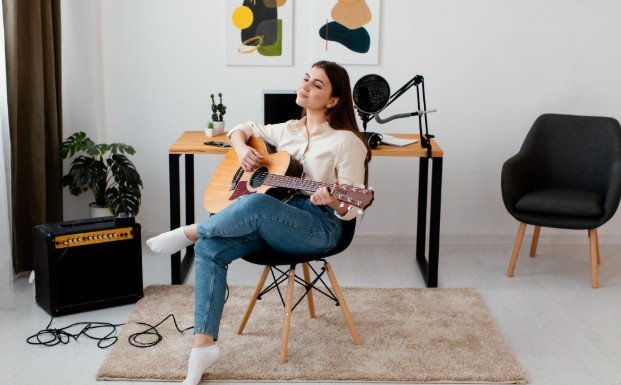
A few dozen listeners sit quietly as a singer performs only a few feet away. There is no barricade, oversized video screen, or elaborate light production. Between songs, the artist explains where the lyrics came from, answers a spontaneous question, and introduces an unfinished track. To me, this feels less like watching a programmed event and more like being invited into the music itself.
That closeness explains why house concerts and the rise of intimate performances have become an important part of modern live music culture. As expensive arena tours dominate headlines, smaller gatherings are offering something completely different: attentive audiences, direct artist interaction, community discovery, and memorable performances in ordinary spaces.
What Is a House Concert?
A house concert is a music-focused performance presented in a private home or another small, informal location. Living rooms are common, but shows may also happen in backyards, basements, barns, lofts, apartment lounges, bookstores, studios, and art galleries.
Unlike a house party with music playing in the background, the performance is the main purpose of the gathering. Guests are expected to listen, limit conversations, and give the artist their attention. Some events have fixed tickets, while others use suggested donations, guarantees, or pay-what-you-can admission.
Audience sizes vary according to the space. A traditional living-room show may welcome 20 to 40 people, while a larger backyard or converted loft may accommodate 50 or more. Once the crowd becomes too large, however, the personal atmosphere can begin to disappear.
The Idea Is Older Than It Appears
Performing music inside homes is not a new invention. Before modern clubs and arenas, private parlors regularly hosted chamber music, recitals, folk songs, and community gatherings. Porch performances, neighborhood jams, and informal bluegrass sessions also played important roles in American music.
Later, basements and shared houses became essential venues for punk, hardcore, indie rock, and experimental scenes. These DIY spaces allowed musicians to perform without waiting for approval from established promoters.
The contemporary version combines those traditions with organized ticketing, artist newsletters, private event listings, and social media. Modern shows may feel polished, but their central idea remains simple: place the musician and listener in the same room without unnecessary barriers.
Why Intimate Performances Are Growing
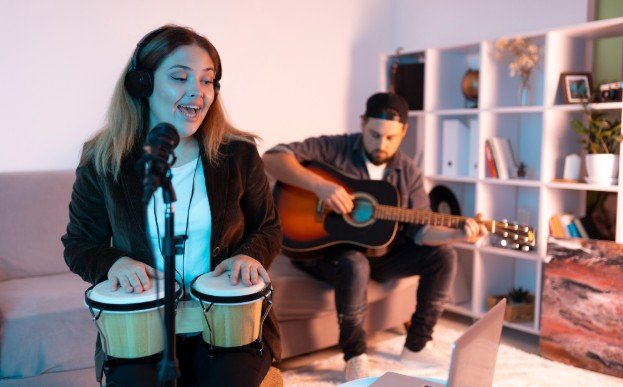
Large concerts can provide spectacle, but they can also involve high ticket prices, parking expenses, long lines, distant seats, and crowded spaces. A smaller show offers an alternative for listeners who care more about connection than production scale.
Digital listening has also changed what people want from physical events. Music is constantly available through phones, playlists, and short videos, yet that convenience can make listening feel passive. An intimate performance asks people to stop scrolling and share one focused experience.
Independent musicians have additional reasons to embrace the format. Traditional venues may deduct promotion, staffing, equipment, or room expenses before the performer is paid. At a properly organized home concert, costs may be lower and more of the admission revenue can reach the artist directly.
This does not mean every private show is automatically profitable. Limited capacity restricts ticket income, while travel, equipment, recording, food, lodging, and insurance can create expenses. The model works best when the artist and host agree on payment, responsibilities, capacity, and expectations before announcing the event.
A Different Relationship Between Artist and Audience
Physical closeness changes how music is received. Listeners can notice a singer’s breathing, the movement of fingers across guitar strings, and subtle changes in volume that might disappear inside a noisy club.
Artists can also provide context between songs. A brief story about a lyric, relationship, city, or difficult recording session may completely change how the audience understands the next performance. Unreleased songs feel particularly meaningful because listeners know they are hearing material before it reaches a wider audience.
That exchange can benefit musicians creatively. A performer can observe which lyrics hold attention, which jokes work, and which new songs create an immediate response. Instead of relying only on streaming statistics, the artist receives human feedback in real time.
Why Smaller Shows Help Independent Musicians
A house concert can turn casual listeners into committed supporters. Someone who discovers an unfamiliar songwriter in a living room may leave with merchandise, join the mailing list, stream the catalog, or attend a future venue show.
Merchandise can be especially valuable because the artist is able to explain the story behind a record, poster, or handmade item. The conversation makes the purchase feel connected to the evening rather than resembling a rushed transaction at a crowded merchandise booth.
Private shows can also fill gaps between conventional tour dates. A musician traveling from one major city to another may arrange a smaller weekday performance along the route. Hosts sometimes provide a meal or overnight accommodation, reducing touring costs while introducing the artist to a new community.
How Technology Supports a Personal Experience
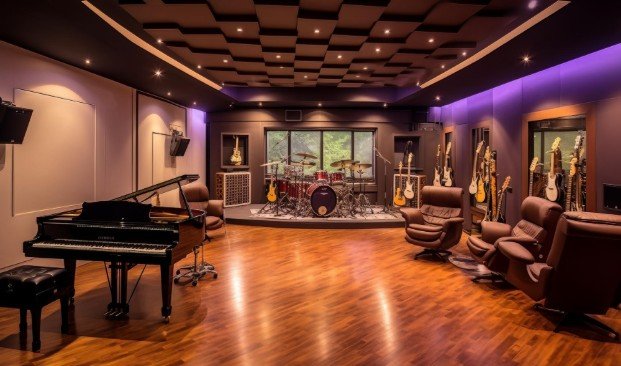
Technology might appear to conflict with the intimate nature of these events, but it often makes them possible. Artists use email lists to help listeners discover underground live music events, reservation tools to control attendance, and private invitations to protect residential addresses.
Short performance clips can extend the value of one evening without replacing it. A carefully recorded song may introduce the musician to thousands of online viewers, while the people in the room retain the experience of witnessing it firsthand.
Livestreaming can also include listeners who cannot attend because of distance, disability, or limited capacity. However, recording policies should always be agreed upon beforehand. Constant phone use can disrupt the concentration that makes these performances distinctive.
Hosts Carry Important Responsibilities
The relaxed atmosphere should not hide the work required to run a safe event. Hosts need an accurate guest count, appropriate seating, clear arrival instructions, accessible entry where possible, suitable restrooms, and a plan for collecting admission.
They must also consider parking, neighborhood noise, emergency exits, alcohol rules, local regulations, and homeowner or renter insurance. Publicly advertising a residential address can introduce privacy and security risks, so many organizers release the exact location only to confirmed guests.
Musicians and hosts should discuss amplification, performance length, merchandise space, cancellations, payment, accommodation, photography, and cleanup in advance. Clear planning protects both the personal atmosphere and the people creating it.
The Challenges Behind the Cozy Image
Not every style of music fits every living room. A full rock band may require more space, power, sound control, and equipment than a solo singer or acoustic duo. Volume can create conflicts with neighbors and local noise restrictions.
Accessibility is another concern. Private homes may have stairs, narrow entrances, limited seating, or inaccessible bathrooms. Organizers should communicate these limitations honestly rather than allowing guests to discover them upon arrival.
Fair compensation matters as well. “Exposure” should not become an excuse to avoid paying performers. Whether the event uses tickets, donations, or a guaranteed fee, guests should understand that their contribution supports the artist’s time, travel, and work.
Frequently Asked Questions
1. Why are house concerts becoming popular?
People are seeking focused live music, smaller crowds, closer artist interaction, and alternatives to expensive large-scale concerts. Artists also value lower overhead and stronger fan relationships.
2. What should guests expect at a house concert?
Guests should expect limited seating, attentive listening, informal artist interaction, and clear rules regarding arrival, refreshments, photography, and payment.
3. How do musicians make money from private performances?
Artists may receive fixed ticket revenue, suggested donations, a guaranteed payment, merchandise sales, or a combination of these methods.
4. Are house concerts legal?
Rules depend on the location, crowd size, noise level, payment system, and whether the event is genuinely private. Hosts should review applicable local regulations, insurance terms, occupancy limits, and music-licensing requirements.
5. What do house concerts and the rise of intimate performances mean for traditional venues?
They are unlikely to replace clubs, theaters, or arenas. Instead, they add another performance option that can help artists develop audiences and maintain direct relationships with listeners.
A Final Note
I do not see intimate shows as a rejection of major concerts. A stadium production can create excitement that a living room cannot reproduce, while a home performance can reveal emotional details that disappear on a distant stage.
Their real value is choice. Musicians gain another sustainable way to perform, and listeners receive an opportunity to experience songs as conversations rather than products. When organizers protect safety, accessibility, privacy, and fair payment, an ordinary room can become one of the most meaningful stages an artist ever plays.
Leave a Reply