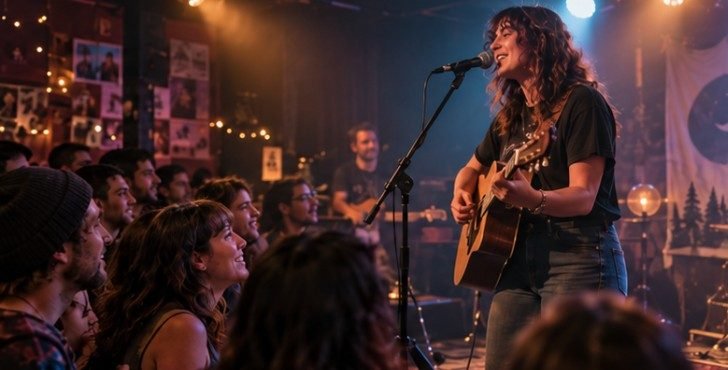
One $25 T-shirt sold after a concert can sometimes matter more to an independent musician than hundreds or even thousands of passive streams. That contrast explains why understanding how to support independent musicians requires looking beyond simply pressing play.
Independent artists often operate as performers, marketers, booking agents, content creators, merchandise sellers, and small-business owners at the same time. Without a major label absorbing expenses, money for recording, touring, artwork, promotion, equipment, and distribution frequently comes from the artist.
The encouraging part is that fans have more influence than they may realize. Money helps, but attention, recommendations, attendance, and consistent engagement can also move an artist’s career forward.
Why Independent Musicians Need More Than Streams
Streaming is valuable because it helps musicians reach listeners anywhere. It can introduce an unknown artist in Nashville, Austin, Los Angeles, Chicago, or a small college town to audiences far beyond the local scene.
But streaming should be treated as one part of supporting an artist rather than the entire strategy.
Independent musicians usually build careers from several income sources: recordings, performances, merchandise, licensing, teaching, session work, memberships, crowdfunding, and direct fan purchases.
That economic diversity matters. A National Endowment for the Arts analysis found that the economic value generated by independent artists, writers, and performers in 2023 was approximately back to its 2019 level, but it had fallen 11.9% from 2022. The figures show how quickly conditions can shift for people earning their living through creative work.
Readers interested in the broader economics of creative work can explore the National Endowment for the Arts research on the U.S. arts economy.
Spend Money Where More of It Reaches the Artist
If you have money available to support a musician, start as close to the artist as possible.
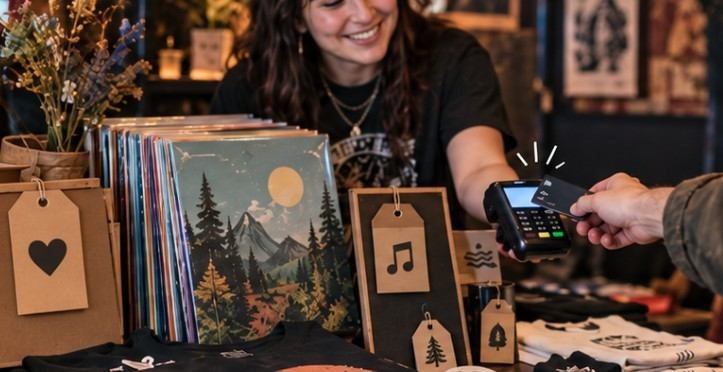
Buying an album, vinyl record, poster, shirt, cassette, signed item, or digital download directly from an artist gives them an immediate transaction rather than waiting for small amounts of revenue to accumulate through repeated listening.
Berklee College of Music specifically highlights direct-to-fan platforms such as Bandcamp as a way for artists to sell music and merchandise while maintaining greater control over pricing and release strategy.
The broader principle is simple: The fewer intermediaries between your wallet and the musician, the more meaningful a purchase may become. You can read Berklee’s discussion of direct-to-fan music marketing for independent artists.
Merchandise Can Fund More Than You Think
Merchandise is not merely advertising.
A shirt sold tonight might help pay for tomorrow’s gas. A vinyl preorder may contribute toward mastering or manufacturing costs. Posters and limited editions can generate revenue while strengthening the connection between a musician and the people who follow their work.
There is one important exception: margins vary. Manufacturing, fulfillment, venue merchandise fees, shipping, platform charges, and taxes can significantly reduce what an artist keeps.
That is why purchasing through an artist’s official store or at a show is often worth considering first.
Go to Shows—and Bring Someone
Buying a ticket accomplishes several things simultaneously.
The performer earns potential ticket or guarantee income. The venue sees demand. Promoters see that the artist can attract an audience. Merchandise has another opportunity to sell. Most importantly, actual attendance provides evidence that people will leave home to see that musician perform.
Live participation remains an important part of the American arts ecosystem. The National Endowment for the Arts continually tracks how Americans attend and interact with performing arts through its national participation research.
For fans wondering how to support independent musicians without dramatically changing their listening habits, attending one local show and bringing a friend is one of the most practical options.
Do not underestimate the friend. One new listener who becomes a repeat concertgoer can be more valuable over several years than dozens of casual social-media impressions.
Use Streaming More Intentionally
You do not need to stop streaming music to become a better supporter. Instead, make your listening behavior more useful.
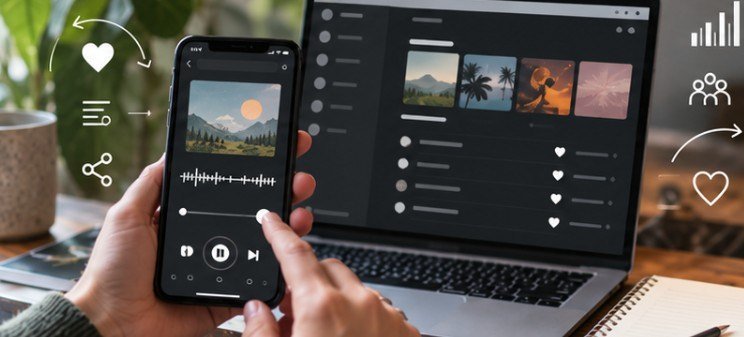
Follow the artist’s profile. Save songs you genuinely enjoy. Add tracks to relevant personal playlists. Listen to albums instead of only isolated viral tracks. Share releases with people who are genuinely likely to enjoy them.
Avoid artificial behavior such as repeatedly looping tracks purely to manipulate stream counts. Genuine listening and discovery are more sustainable.
Streaming can introduce listeners to an artist; the next step is moving some of those listeners closer to the artist’s own ecosystem. That might mean an email newsletter, official website, merchandise store, concert calendar, or membership page.
Join the Artist’s Mailing List
Social-media visibility can disappear overnight when algorithms change. Email is different.
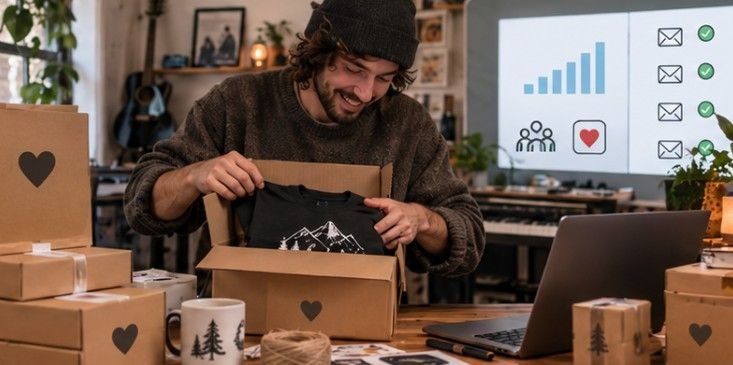
A mailing list gives musicians a direct communication channel with listeners who have deliberately asked for updates. Artists can announce tours, limited releases, crowdfunding campaigns, preorders, and new songs without depending entirely on an algorithm deciding who sees the announcement.
Berklee’s research and music-business education have long emphasized the value of musicians knowing their audience and creating direct relationships with fans. Its discussion of musicians as entrepreneurs frames audience development as part of building a sustainable career. See Berklee’s resource on musicians as entrepreneurs and direct fan relationships.
Share Music Like a Human, Not a Promotion Bot
“Check out this artist” is easy to ignore. A personal recommendation works differently. Tell someone why you like the song.
Try:
“This guitarist reminds me of the early records you love.”
Or:
“They’re playing downtown Friday, and I think you’d really like them.”
Context turns promotion into discovery.
Online, meaningful comments, reposts, playlist additions, reviews, video shares, and recommendations can introduce artists to audiences they could never afford to reach through advertising.
The best promotion is targeted. Sending an experimental jazz record to 10 people who love experimental jazz can be more useful than indiscriminately sharing it with 1,000 people.
Understand That Musicians Are Running Businesses
Independent artists are creative people, but many are also self-employed business operators. They may have to handle taxes, contracts, insurance, licensing, accounting, marketing, travel, inventory, and intellectual property.
The U.S. Small Business Administration explains that sole proprietors and other small-business owners must think about issues such as business structure, registration, taxes, licenses, banking, and insurance.
That context helps explain why a $20 purchase does not automatically become $20 of personal income.
For more background, see the U.S. Small Business Administration’s business guidance.
Respect the Music as Intellectual Property
Another overlooked form of support is simply respecting ownership.
Downloading unauthorized copies, reposting full tracks without permission, using music commercially without appropriate licensing, or assuming online music is free to reuse can undermine creators.
The U.S. Copyright Office explains that a song can involve two distinct copyrighted works: the musical composition and the sound recording. Copyright owners receive specific rights over reproduction, distribution, derivative works, and certain public performances.
Its copyright guidance specifically for musicians is useful for understanding how music ownership works.
Supporting an artist means respecting those rights as well as enjoying the finished recording.
Do Not Forget the Musicians Behind the Artist
Independent recordings frequently involve drummers, producers, engineers, backing vocalists, instrumentalists, and session musicians. Supporting fair treatment across that ecosystem matters too.
The American Federation of Musicians represents professional musicians and advocates for fair wages, working conditions, contracts, and protections for music workers.
Its overview of professional musician protections and fair-pay resources illustrates how many economic issues exist behind the music fans eventually hear.
Frequently Asked Questions
1. What is the easiest way to support an independent musician?
Buy directly from the artist, attend shows, follow their accounts, save their music, join their mailing list, and recommend them to people who genuinely enjoy similar music.
2. Does streaming actually help independent artists?
Yes, streaming can generate revenue and discovery, but it usually works best alongside direct purchases, live attendance, merchandise sales, memberships, and other fan support.
3. Can I support independent musicians without spending money?
Absolutely. Sharing releases, saving songs, commenting meaningfully, following artist profiles, joining mailing lists, making playlists, and bringing attention to upcoming shows can all help.
4. Is buying merchandise better than streaming?
They serve different purposes. Streaming improves reach and discovery, while a direct merchandise purchase may provide a larger immediate transaction. Combining both is often more useful than choosing only one.
The Support That Builds Careers
Learning how to support independent musicians ultimately means recognizing that attention has value only when some of it becomes action.
Listen to the track, but also save it. Love the album, but consider buying it directly. Enjoy the show, but bring a friend. Follow the artist, but join the mailing list so the relationship does not disappear with the next algorithm update.
No individual fan has to finance someone’s career. What makes independent music sustainable is thousands of small decisions made consistently by real listeners.
A $25 shirt may look like merchandise. To the person loading instruments into a van after midnight, it may look like enough gas to reach the next show.
Leave a Reply