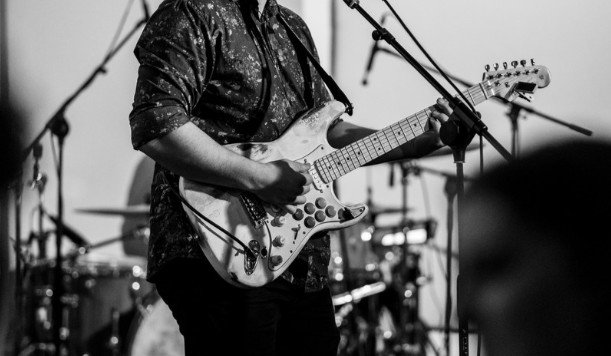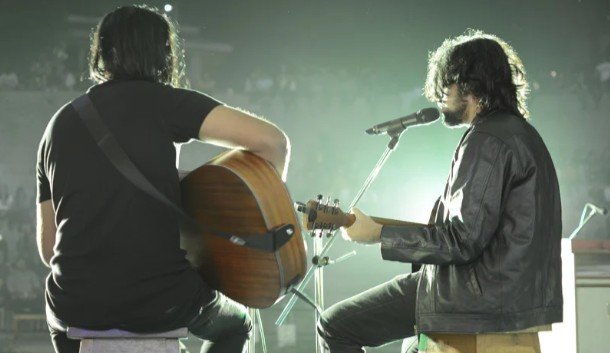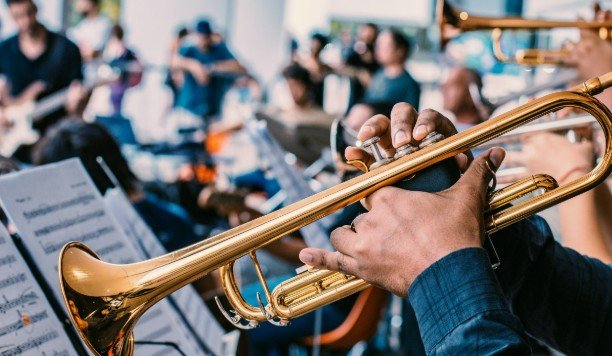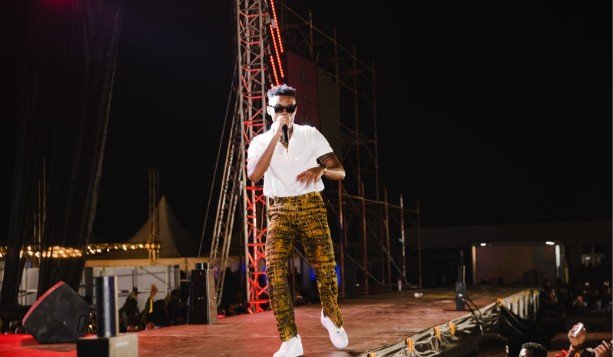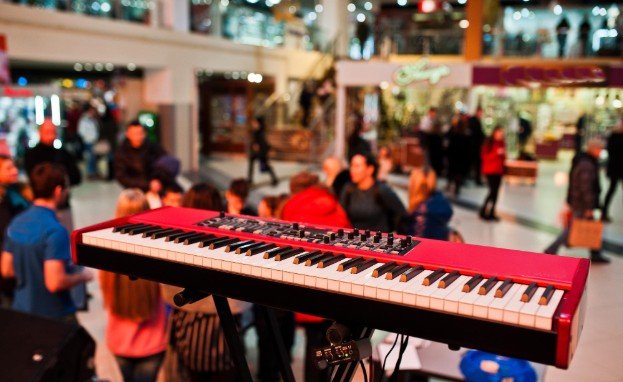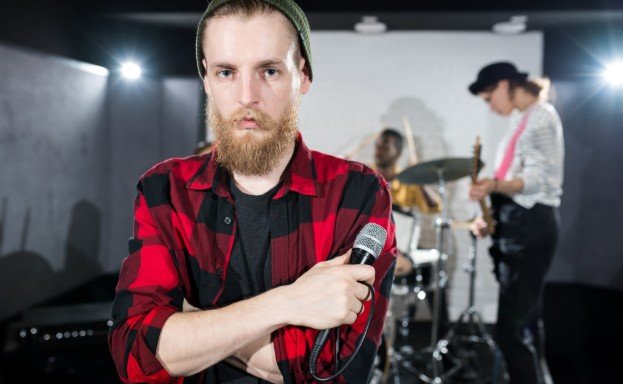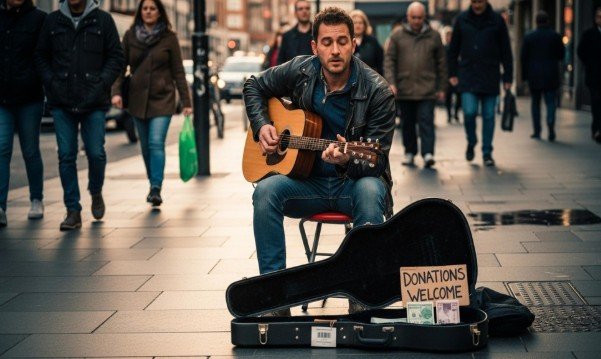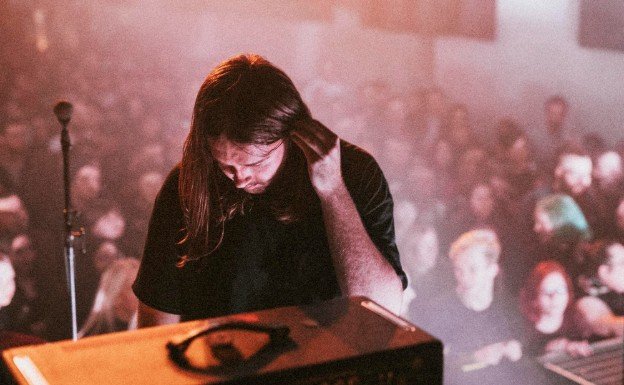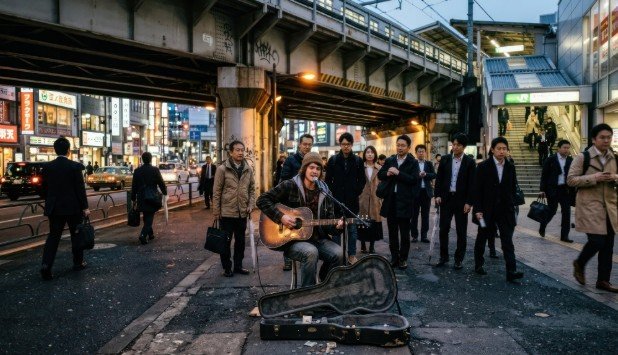
I have walked past music spilling out of a station entrance and stopped even when I had somewhere to be. For a few minutes, the familiar route felt different. Other people paused, too, and a passing crowd became an audience. That small change captures the role of street performers in urban music culture: they bring live music into daily life, give artists a place to be heard, and help people experience a city together.
Street performance, often called busking, is music performed in public places such as sidewalks, squares, parks, and transit stations. Some musicians play for tips; others use the space to practice, share original work, or meet listeners. Whatever brings them there, their performance becomes part of the city around them.
They Make Live Music Part of Everyday Life
A concert usually asks listeners to choose a time, find a venue, and pay for admission. Street music can reach someone who made none of those plans. A person buying groceries might hear a brass player; a commuter might discover a singer whose music they would never have searched for online.
That accessibility matters. It gives people with different ages, incomes, and musical tastes a chance to encounter live performance in the same place. Listeners can stay for a song, talk to the artist, leave a tip, or keep walking. Even a brief encounter can introduce an unfamiliar style or make a routine journey memorable.
The street is also an unusually demanding stage. Performers have to hold attention amid conversations, traffic, and people in a hurry. That immediacy can make a familiar song feel fresh: the musician responds to the setting, while the audience responds in real time.
They Help Give a City Its Sound
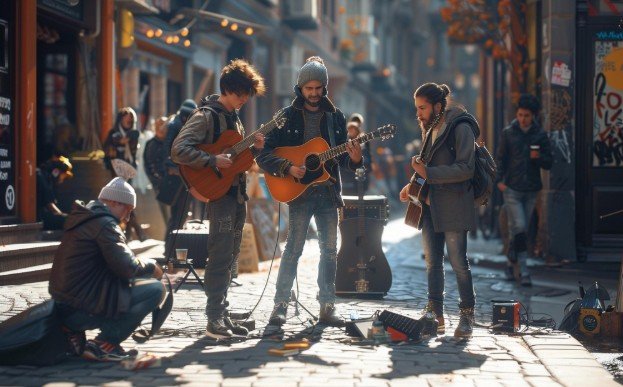
Buildings and landmarks help people recognize a place, but sound contributes to its identity as well. The music heard on a street may reflect traditions passed through local families, styles brought by newer residents, or artists experimenting with several influences at once. In these shared spaces, live sessions help independent artists grow as passersby discover their music and return to hear them again.
A performer’s choice of songs can reveal what a neighborhood celebrates, remembers, or enjoys today. Just as important, the performance changes with its surroundings. A quiet passageway may suit an intimate solo act, while a busy square may invite a louder, more rhythmic set. The city shapes the music, and the music changes how the space feels.
Street performers also keep culture visible outside formal venues. When music appears where people already gather, local creativity becomes something they can encounter firsthand rather than something they only hear described.
They Turn Passersby Into a Community
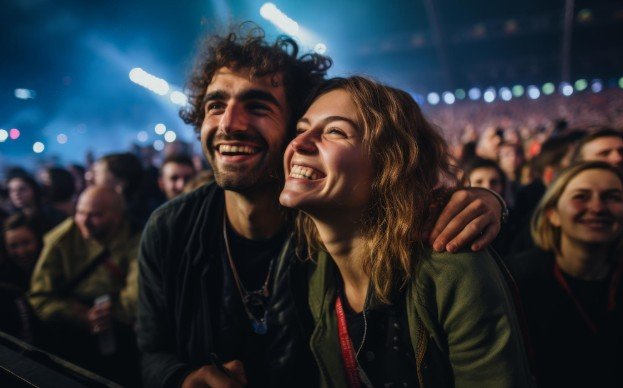
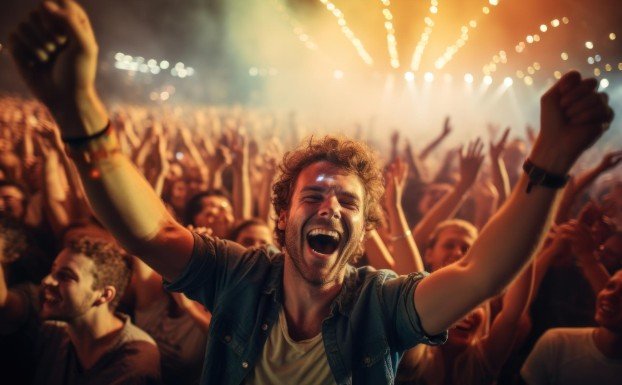
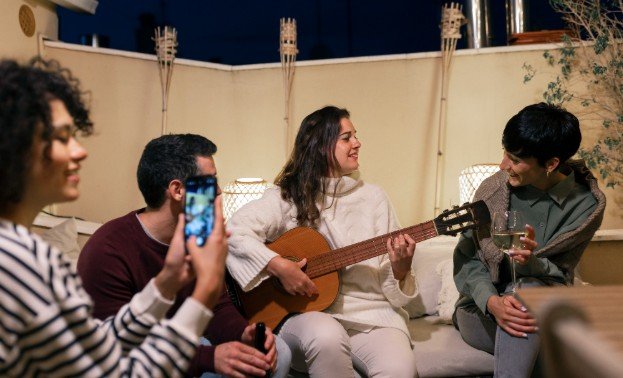
A street performance creates a temporary meeting place. Strangers may stop at different moments, but they listen to the same musician and react to the same song. Someone smiles at a child dancing; another person asks the performer about an instrument. These exchanges are small, yet they can make a public space feel more welcoming.
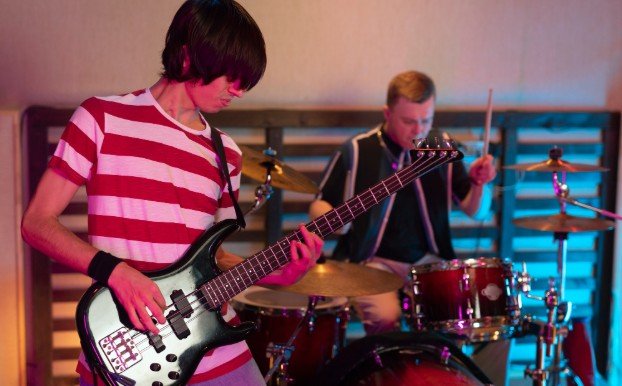
Audiences influence what happens next. A musician might extend a song when a crowd gathers, change the pace when people begin dancing, or explain the story behind an original piece. These moments help performers connect with your audience in a way that makes each street set unique.
For travelers and residents alike, these moments offer a way to connect with the people who make a place. Listening does not require knowing the artist or understanding every musical reference. Curiosity is enough to begin.
They Give Emerging Musicians a Place to Grow
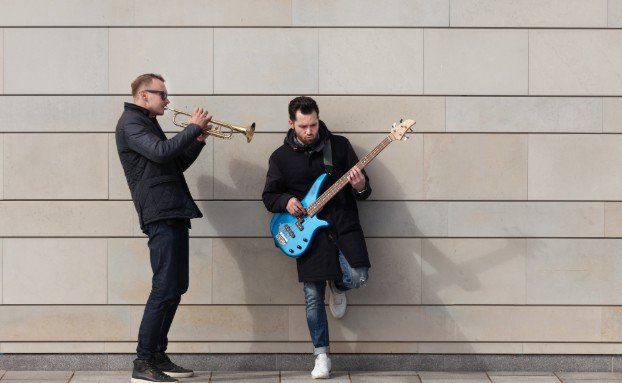
For an artist without regular bookings, a public performance can be a chance to test material and learn quickly. A busker can see which songs make people stop, practice speaking to an audience, and grow comfortable performing through distractions.
It can also lead to conversations that would be less likely in a large venue. A listener might follow the artist online, return for another set, or ask about a future show. That does not mean every street musician is trying to reach a conventional stage. For some, performing in public is a lasting artistic choice and a source of income in its own right.
The digital world can extend these encounters. A video lets someone revisit a performance and share it with friends, while an online profile helps a listener find the musician again. Still, the recording begins with something specific: an artist, an audience, and a particular moment in a particular place.
Their Place in the City Is Sometimes Contested
Public space belongs to many people at once. The sound that delights one listener may disrupt a nearby worker or resident. A crowd can bring energy to a square while making it harder for others to pass. Performers may also face uncertain income, competition for suitable locations, and rules that differ between spaces.
Those tensions deserve attention because the role of street performers in urban music culture includes more than entertainment. It raises questions about who gets to use public space and how a city balances expression, access, movement, and quiet. Fair arrangements work best when performers’ needs are considered alongside those of the people sharing the area.
Frequently Asked Questions
1. What is the role of street performers in urban music culture?
Street performers make live music accessible in everyday places. They can express local identity, bring strangers together, introduce audiences to new sounds, and give musicians direct experience performing for the public.
2. Is busking only for new musicians?
No. Artists perform on the street for many reasons, including income, creative freedom, practice, and the direct connection with listeners. Experience alone does not determine whether someone chooses to busk.
3. How can listeners support street musicians?
Listeners can give performers room to work, offer a tip when they can, follow their work, and share it with proper credit. Paying attention to the music is valuable, too.
The Sound That Stays With Me
When I think back on a city, I remember more than its streets and buildings. I remember the unexpected song that made people slow down together. Street musicians can offer that experience without an invitation or a ticket. By giving artists room to perform and listeners a reason to pause, they make urban culture something people can hear and share as it happens.