Walking into a concert venue for the first time can feel both exciting and confusing. I remember wondering when to arrive, whether I could stand, how much recording was acceptable, and what to do if the crowd became intense.
Fortunately, concert etiquette is less about memorizing rigid rules and more about staying aware of the people around you. Understanding live music etiquette for first-time concertgoers helps you enjoy the performance confidently without disrupting the artist, staff, or other fans.
Check the Venue Rules Before Leaving
Every venue sets its own policies for bags, cameras, food, drinks, identification, re-entry, and prohibited items. Review the official venue website before leaving rather than relying on advice from social media. A clear bag may be required, while professional cameras, outside drinks, umbrellas, and large power banks might be prohibited.
Arrive With Enough Time to Get Settled
Arriving early gives you time to pass through security, find your section, visit the restroom, and purchase merchandise without missing the performance. General admission attendees may want to arrive earlier because their position usually depends on when they enter.
Avoid blocking entrances while waiting for friends. If you have an assigned seat, move into the row carefully and apologize when passing other guests. Once the performance starts, wait for a natural break before leaving or returning whenever possible.
Opening performers also deserve attention. Talking loudly through their set because you only came for the headliner can disturb listeners who are interested in the music.
Understand Your Type of Concert Space

Etiquette changes according to the venue and performance. Standing, dancing, and singing are normal at energetic club shows. A theater, orchestra performance, or acoustic concert may have quieter expectations. Observe the audience and follow the general atmosphere instead of forcing your preferred behavior onto everyone else.
In assigned seating, standing may block the view of people behind you. Look around before getting up, especially if children, shorter guests, or people with limited mobility are nearby. In standing-room areas, avoid claiming more space than you need.
Designated accessible platforms and pathways must remain clear. These areas are not convenient shortcuts, viewing platforms, or places to store belongings.
Respect Personal Space in the Crowd
A packed floor does not eliminate personal boundaries. Accidental contact happens, but pushing, leaning on strangers, or forcing your way toward the stage is inconsiderate. Arriving late does not automatically entitle anyone to a front-row position.
If you need to pass, say “excuse me” and move slowly. Friends should avoid creating a long human chain through a dense crowd. Saving one nearby place briefly may be reasonable, but holding a large section for people who have not arrived often causes conflict.
Never pressure someone to dance, participate in a mosh pit, or lift a crowd surfer. Physical participation requires awareness and consent.
Use Your Phone Without Blocking the Show
A few photos or short video clips can preserve the memory, but recording continuously forces people behind you to watch through your screen. Keep the phone near eye level rather than holding it high above your head.
Lower the screen brightness, disable the flash, and silence notifications. Flash rarely improves concert photos and can distract performers. Avoid livestreaming strangers without permission or turning around repeatedly to film yourself while obstructing nearby views. Remaining present usually creates a stronger memory than trying to document every song.
Know When Singing and Talking Become Disruptive
Singing along is part of the excitement at many live shows. However, screaming every lyric directly beside another person’s ear can overpower the performer they paid to hear. Match your volume to the energy of the room.
Keep conversations brief during songs. If you need an extended discussion, move toward the lobby or bar. This is especially important during quiet songs, acoustic sets, emotional moments, and performances where attentive listening is expected. Heckling, repeatedly requesting songs, and shouting jokes between every number can also shift attention away from the stage.
Follow Safe Mosh Pit and Crowd-Surfing Behavior
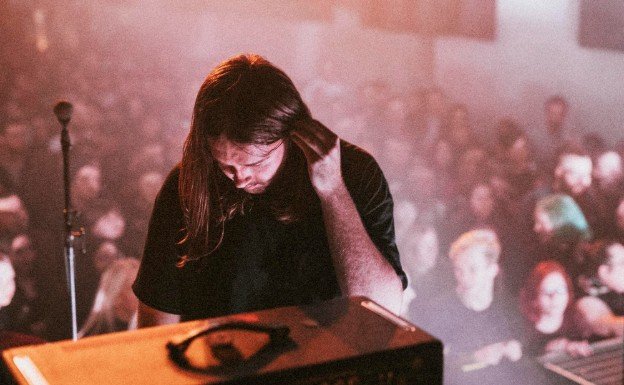
Mosh pits have informal safety rules. Do not drag unwilling attendees into the pit, target individuals, or treat the space as permission to injure someone. Help anyone who falls get back on their feet and create space when someone appears hurt.
Stay alert when crowd surfers approach. If you do not want to participate, move away instead of unexpectedly dropping someone. Never throw drinks, clothing, phones, or other objects toward the stage. An object that seems harmless can injure a performer or another fan.
These practical principles are an important part of live music etiquette for first-time concertgoers because energetic crowds can change quickly.
Protect Your Hearing and Monitor Your Well-Being
Concert sound levels can be intense, particularly near speakers. Properly fitted concert earplugs reduce volume while allowing you to hear the performance. Wearing them is sensible hearing protection, not a sign that you are enjoying the music less.
Drink water, eat before the event, and pay attention to dizziness, overheating, or difficulty breathing. Move toward a less crowded area if you feel unwell. Alert security or medical staff when someone collapses or appears distressed instead of assuming another person will help.
Keep valuables secured and avoid placing your phone loosely in an exposed pocket. Decide where you will meet your group if phone service becomes unreliable.
Treat Venue Staff and Other Fans Respectfully
Security guards, ticket scanners, ushers, bartenders, and merchandise workers are managing large crowds under pressure. Follow their instructions and ask questions calmly. Arguing about clearly published rules rarely changes them.
If another attendee becomes disruptive, avoid escalating the situation. Move away or inform venue staff. Security personnel are better equipped to address harassment, aggression, blocked aisles, or unsafe behavior.
Frequently Asked Questions
1. What is the most important live music etiquette for first-time concertgoers?
The most important rule is to remain aware of how your actions affect others. Avoid blocking views, pushing through crowds, talking through songs, recording excessively, or ignoring safety instructions.
2. How early should I arrive at my first concert?
For assigned seating, arriving 45 to 60 minutes early is generally comfortable. General admission visitors may arrive earlier depending on their preferred position and the venue’s entry procedures.
3. Is it rude to stand during a seated concert?
It depends on the performance and audience. Standing may be expected during energetic songs, but remaining upright throughout a quiet seated show could block other guests.
4. Can I leave my general admission position and return?
You can leave, but your previous position may no longer be available. Do not push aggressively through the crowd or demand that strangers return your former space.
5. Should I wear earplugs at a live show?
Yes, concert earplugs can reduce harmful sound exposure while preserving much of the music’s clarity. They are especially useful near speakers and during long performances.
Leave With a Great Memory, Not a Complaint
I believe the best concertgoers bring enthusiasm without forgetting that everyone else purchased a ticket for the same experience.
I would prepare before arriving, follow the room’s energy, limit my phone use, respect physical boundaries, and speak up when someone needs help. When courtesy and awareness become part of the experience, a first concert feels less intimidating and much more memorable.
Leave a Reply