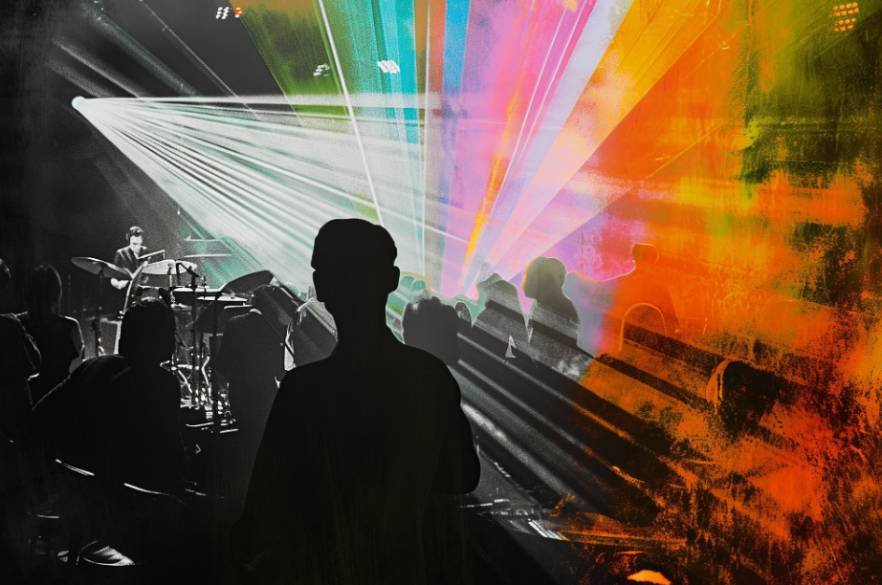
Category: Live Music & Culture

  • Find the Shows That Never Reach the Main Event Listings

    Find the Shows That Never Reach the Main Event Listings

    Underground shows rarely appear in the first few results of a general event search. I have found that the most interesting performances are often promoted through handwritten flyers, small social accounts, independent record stores, local artists, and conversations between people already involved in the scene. Finding them requires curiosity, patience, and a willingness to follow connections instead of depending on a single concert app.

    Learning how to discover underground live music events is therefore less about locating a perfect website and more about building a network of dependable sources. Once I find one active band, promoter, venue, or local music fan, that connection usually leads to several other events that would otherwise remain invisible.

    Understand What Underground Music Events Are

    An underground event is generally a small, independently organized performance operating outside the major touring and ticketing system. It might happen in a basement, art studio, record store, community hall, warehouse, coffee shop, backyard, rehearsal space, or independent club.

    “Underground” does not automatically mean illegal or unsafe. Many events are properly organized but receive little advertising because the performers have small audiences, the venue has limited capacity, or the host wants to protect a private address. Other shows use a donation model instead of selling conventional tickets.

    These events commonly feature local punk, metal, experimental, electronic, hip-hop, indie, folk, noise, or alternative performers. The boundaries are flexible because underground scenes usually develop around communities rather than rigid commercial categories.

    Begin With One Active Local Band

    Finding one genuinely active local act can unlock an entire scene. Search Bandcamp, SoundCloud, YouTube, Instagram, or local music publications for musicians connected to your preferred genre. Instead of checking only their releases, examine their recent performance flyers and tagged posts.

    A flyer may reveal several important connections at once: the other bands on the bill, the person who designed it, the promoter, the venue, the photographer, and the independent label involved. Following those accounts creates a discovery chain that produces more useful results than following hundreds of unrelated artists.

    Opening bands are especially valuable because small music venues matter to local culture by giving emerging performers space to build lasting audiences. A touring performer may visit a city only once, but the local opener may play regularly and share future bills featuring other rising acts.

    Follow Promoters and Event Organizers
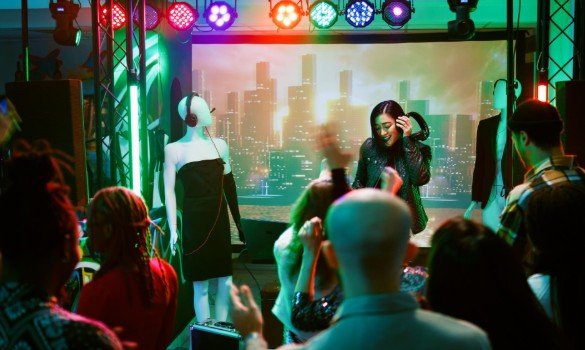
    Follow Promoters and Event Organizers

    Promoters are often more useful than individual venue accounts because one organizer may arrange shows across multiple spaces. Search social media for combinations such as your city name with “DIY shows,” “independent music,” “all-ages concerts,” “house shows,” or a specific genre.

    When you find an appealing event, identify the account that posted the original flyer. Check its previous events to understand the genres, spaces, prices, and audiences it normally works with. Turn on notifications if the organizer consistently announces relevant shows.

    Some organizers also maintain newsletters, text-alert systems, Discord servers, or private group chats. These direct channels can contain last-minute lineup changes and locations that never appear on public event pages.

    Learn the Habits of Small Venues

    Choose three or four nearby spaces and study their calendars for an entire month. An independent club may consistently book experimental artists on Wednesdays, while a neighborhood bar hosts local rock bands every Thursday. A coffee shop might offer acoustic performances, and an art gallery may schedule electronic or improvisational music after exhibitions.

    Do not limit your search to businesses described as music venues. Bookstores, skate shops, breweries, community centers, university spaces, rehearsal studios, and cultural organizations sometimes host independent performances.

    Following a few carefully selected venues produces less noise than subscribing to every event account in town. It also helps you recognize recurring performers and promoters.

    Use Music Apps Without Depending on Them

    Bandsintown, Songkick, Eventbrite, and similar services are useful starting points. They can track performers, filter events by location, and send concert alerts. However, these platforms are strongest when an artist or organizer formally submits the event.

    Small house shows, donation-based performances, pop-up concerts, and recently arranged DIY bills may be missing. Use apps to establish a broad view of the local calendar, then supplement them with venue pages, artist accounts, community sources, and physical flyers.

    Streaming platforms can also help indirectly. After discovering a local artist, check their related acts, playlists, collaborations, and tagged performers. The goal is to use technology as an entry point rather than treating its recommendations as a complete map.

    Visit Places Where Music Communities Gather

    Visit Places Where Music Communities Gather

    Independent record stores remain valuable because their employees, customers, and bulletin boards are connected to nearby scenes. Ask whether any small shows, listening events, in-store performances, or release parties are approaching.

    College and community radio stations can also reveal performers overlooked by commercial stations. Check program pages, presenter accounts, interviews, event calendars, and station-sponsored concerts.

    Coffee shops, instrument stores, rehearsal spaces, campus neighborhoods, art collectives, and local zines may carry flyers. Physical promotion still matters when organizers want to reach a specific community without advertising to everyone online.

    Search Social Communities Strategically

    Reddit, Facebook Groups, Discord, Instagram, and neighborhood forums can uncover events, but broad searches often create clutter. Combine a location with a genre or event type. Useful searches include “DIY punk shows in [city],” “[city] experimental music,” or “all-ages indie events near [neighborhood].”

    Look for recently updated groups with detailed posts and recognizable organizer histories. Avoid sending demanding messages for private addresses. Introduce yourself politely, mention where you found the event, and follow the organizer’s instructions.

    Once you attend, speak with performers, merch sellers, photographers, and other attendees. Asking “Who organized tonight?” or “Where is the next show?” can be more productive than searching online for another hour.

    Decode Underground Show Flyers

    Underground flyers frequently use shorthand. “Doors” indicates when entry begins, not when the first performer starts. “All ages” means minors may attend, while “21+” normally reflects licensing or venue rules. “Suggested donation” gives a recommended contribution, although attendees should pay it whenever possible.

    “DM for address” or “address day-of” usually means the host is protecting a residential or temporary location. Never publish that address without permission. “Respect the space” means follow house rules, control noise outside, dispose of trash properly, and avoid entering private areas.

    Starting times may be flexible, but do not assume every show follows “punk time.” Contact the organizer if timing affects transportation or safety.

    Create a Simple Weekly Discovery Routine
    Create a Simple Weekly Discovery Routine

    Set aside ten minutes each week to check selected venues, promoters, artists, radio calendars, and community groups. Save promising dates in one calendar and include the ticket link, age restriction, address status, transportation plan, and door time.

    This routine is more reliable than conducting a rushed search on Friday night. Over time, patterns emerge. You will learn which organizers curate strong bills, which rooms suit your preferences, and which friends offer trustworthy recommendations.

    Attend Safely and Respectfully

    Verify the organizer before visiting an unfamiliar location. Tell someone where you are going, arrange transportation in advance, carry earplugs, and confirm whether the event accepts cash or digital payment. Leave if the location, crowd, or organization feels unsafe.

    At private spaces, remember that attendance is a privilege. Do not bring uninvited guests, record performers without permission, damage property, or share restricted details. Buying merchandise, contributing the suggested donation, and listening to every act help keep small scenes alive.

    Frequently Asked Questions

    1. How do I learn how to discover underground live music events in a new city?

    Start with a small venue, active local band, independent record store, college radio station, or genre-specific social group. Follow the promoters and performers connected to the first relevant event you find.

    2. Why are some concert addresses kept private?

    Residential and temporary venues may withhold their locations to protect hosts, control attendance, prevent complaints, and reduce overcrowding. Approved attendees normally receive the address shortly before the event.

    3. Can I find underground shows without social media?

    Yes. Check record-store bulletin boards, community radio calendars, local zines, coffee shops, university campuses, independent venues, art spaces, and recommendations from musicians or regular attendees.

    4. Are concert-discovery apps useful for DIY shows?

    They are useful for established venues and touring acts, but they may miss informal or recently announced events. Combine them with local community channels and direct organizer updates.

    The Final Note

    I see underground music discovery as a process of following people rather than chasing endless listings. One local opener can lead me to a promoter, one promoter to an independent venue, and one venue to an entire community of performers and listeners.

    The best approach is to begin with one trustworthy connection, attend with respect, notice who makes the event possible, and follow that network. As those connections grow, finding meaningful live music becomes less like searching and more like belonging to the scene.
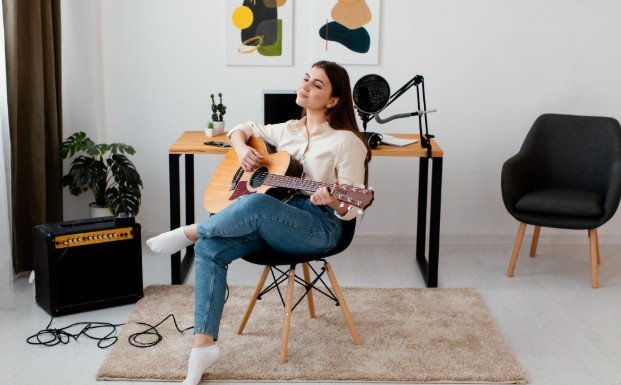
  • Why Living Rooms Are Becoming the Most Exciting Music Venues

    Why Living Rooms Are Becoming the Most Exciting Music Venues

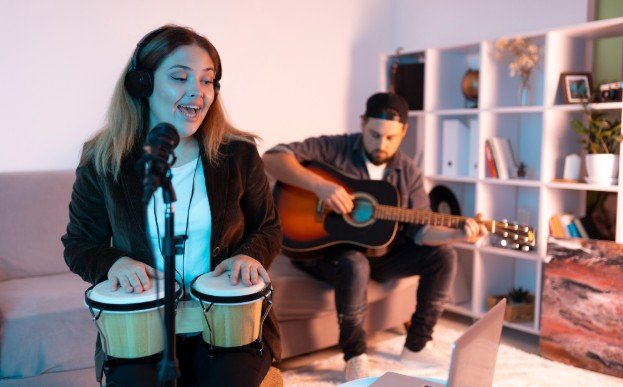
    A few dozen listeners sit quietly as a singer performs only a few feet away. There is no barricade, oversized video screen, or elaborate light production. Between songs, the artist explains where the lyrics came from, answers a spontaneous question, and introduces an unfinished track. To me, this feels less like watching a programmed event and more like being invited into the music itself.

    That closeness explains why house concerts and the rise of intimate performances have become an important part of modern live music culture. As expensive arena tours dominate headlines, smaller gatherings are offering something completely different: attentive audiences, direct artist interaction, community discovery, and memorable performances in ordinary spaces.

    What Is a House Concert?

    A house concert is a music-focused performance presented in a private home or another small, informal location. Living rooms are common, but shows may also happen in backyards, basements, barns, lofts, apartment lounges, bookstores, studios, and art galleries.

    Unlike a house party with music playing in the background, the performance is the main purpose of the gathering. Guests are expected to listen, limit conversations, and give the artist their attention. Some events have fixed tickets, while others use suggested donations, guarantees, or pay-what-you-can admission.

    Audience sizes vary according to the space. A traditional living-room show may welcome 20 to 40 people, while a larger backyard or converted loft may accommodate 50 or more. Once the crowd becomes too large, however, the personal atmosphere can begin to disappear.

    The Idea Is Older Than It Appears

    Performing music inside homes is not a new invention. Before modern clubs and arenas, private parlors regularly hosted chamber music, recitals, folk songs, and community gatherings. Porch performances, neighborhood jams, and informal bluegrass sessions also played important roles in American music.

    Later, basements and shared houses became essential venues for punk, hardcore, indie rock, and experimental scenes. These DIY spaces allowed musicians to perform without waiting for approval from established promoters.

    The contemporary version combines those traditions with organized ticketing, artist newsletters, private event listings, and social media. Modern shows may feel polished, but their central idea remains simple: place the musician and listener in the same room without unnecessary barriers.

    Why Intimate Performances Are Growing

    Why Intimate Performances Are Growing

    Large concerts can provide spectacle, but they can also involve high ticket prices, parking expenses, long lines, distant seats, and crowded spaces. A smaller show offers an alternative for listeners who care more about connection than production scale.

    Digital listening has also changed what people want from physical events. Music is constantly available through phones, playlists, and short videos, yet that convenience can make listening feel passive. An intimate performance asks people to stop scrolling and share one focused experience.

    Independent musicians have additional reasons to embrace the format. Traditional venues may deduct promotion, staffing, equipment, or room expenses before the performer is paid. At a properly organized home concert, costs may be lower and more of the admission revenue can reach the artist directly.

    This does not mean every private show is automatically profitable. Limited capacity restricts ticket income, while travel, equipment, recording, food, lodging, and insurance can create expenses. The model works best when the artist and host agree on payment, responsibilities, capacity, and expectations before announcing the event.

    A Different Relationship Between Artist and Audience

    Physical closeness changes how music is received. Listeners can notice a singer’s breathing, the movement of fingers across guitar strings, and subtle changes in volume that might disappear inside a noisy club.

    Artists can also provide context between songs. A brief story about a lyric, relationship, city, or difficult recording session may completely change how the audience understands the next performance. Unreleased songs feel particularly meaningful because listeners know they are hearing material before it reaches a wider audience.

    That exchange can benefit musicians creatively. A performer can observe which lyrics hold attention, which jokes work, and which new songs create an immediate response. Instead of relying only on streaming statistics, the artist receives human feedback in real time.

    Why Smaller Shows Help Independent Musicians

    A house concert can turn casual listeners into committed supporters. Someone who discovers an unfamiliar songwriter in a living room may leave with merchandise, join the mailing list, stream the catalog, or attend a future venue show.

    Merchandise can be especially valuable because the artist is able to explain the story behind a record, poster, or handmade item. The conversation makes the purchase feel connected to the evening rather than resembling a rushed transaction at a crowded merchandise booth.

    Private shows can also fill gaps between conventional tour dates. A musician traveling from one major city to another may arrange a smaller weekday performance along the route. Hosts sometimes provide a meal or overnight accommodation, reducing touring costs while introducing the artist to a new community.

    How Technology Supports a Personal Experience

    How Technology Supports a Personal Experience

    Technology might appear to conflict with the intimate nature of these events, but it often makes them possible. Artists use email lists to help listeners discover underground live music events, reservation tools to control attendance, and private invitations to protect residential addresses.

    Short performance clips can extend the value of one evening without replacing it. A carefully recorded song may introduce the musician to thousands of online viewers, while the people in the room retain the experience of witnessing it firsthand.

    Livestreaming can also include listeners who cannot attend because of distance, disability, or limited capacity. However, recording policies should always be agreed upon beforehand. Constant phone use can disrupt the concentration that makes these performances distinctive.

    Hosts Carry Important Responsibilities

    The relaxed atmosphere should not hide the work required to run a safe event. Hosts need an accurate guest count, appropriate seating, clear arrival instructions, accessible entry where possible, suitable restrooms, and a plan for collecting admission.

    They must also consider parking, neighborhood noise, emergency exits, alcohol rules, local regulations, and homeowner or renter insurance. Publicly advertising a residential address can introduce privacy and security risks, so many organizers release the exact location only to confirmed guests.

    Musicians and hosts should discuss amplification, performance length, merchandise space, cancellations, payment, accommodation, photography, and cleanup in advance. Clear planning protects both the personal atmosphere and the people creating it.

    The Challenges Behind the Cozy Image

    Not every style of music fits every living room. A full rock band may require more space, power, sound control, and equipment than a solo singer or acoustic duo. Volume can create conflicts with neighbors and local noise restrictions.

    Accessibility is another concern. Private homes may have stairs, narrow entrances, limited seating, or inaccessible bathrooms. Organizers should communicate these limitations honestly rather than allowing guests to discover them upon arrival.

    Fair compensation matters as well. “Exposure” should not become an excuse to avoid paying performers. Whether the event uses tickets, donations, or a guaranteed fee, guests should understand that their contribution supports the artist’s time, travel, and work.

    Frequently Asked Questions

    1. Why are house concerts becoming popular?

    People are seeking focused live music, smaller crowds, closer artist interaction, and alternatives to expensive large-scale concerts. Artists also value lower overhead and stronger fan relationships.

    2. What should guests expect at a house concert?

    Guests should expect limited seating, attentive listening, informal artist interaction, and clear rules regarding arrival, refreshments, photography, and payment.

    3. How do musicians make money from private performances?

    Artists may receive fixed ticket revenue, suggested donations, a guaranteed payment, merchandise sales, or a combination of these methods.

    4. Are house concerts legal?

    Rules depend on the location, crowd size, noise level, payment system, and whether the event is genuinely private. Hosts should review applicable local regulations, insurance terms, occupancy limits, and music-licensing requirements.

    5. What do house concerts and the rise of intimate performances mean for traditional venues?

    They are unlikely to replace clubs, theaters, or arenas. Instead, they add another performance option that can help artists develop audiences and maintain direct relationships with listeners.

    A Final Note

    I do not see intimate shows as a rejection of major concerts. A stadium production can create excitement that a living room cannot reproduce, while a home performance can reveal emotional details that disappear on a distant stage.

    Their real value is choice. Musicians gain another sustainable way to perform, and listeners receive an opportunity to experience songs as conversations rather than products. When organizers protect safety, accessibility, privacy, and fair payment, an ordinary room can become one of the most meaningful stages an artist ever plays.

  • What Makes a Live Performance Memorable? The Moments That Stay With Us

    What Makes a Live Performance Memorable? The Moments That Stay With Us

    I have attended technically perfect shows that faded from my memory within days, while smaller and less polished performances remained vivid for years. The difference was rarely the price of the production or the size of the venue. Understanding what makes a live performance memorable means looking beyond musical accuracy and focusing on emotion, connection, pacing, atmosphere, and the feeling that something unrepeatable is happening in the room.

    A great show does not simply reproduce recorded songs in front of an audience. It transforms familiar music into a shared experience. The performer, crowd, venue, sound, and unexpected moments all become part of a story that exists for one night only.

    Emotional Honesty Creates a Lasting Connection

    Audiences can usually sense when a performer genuinely believes in the music. A vocalist does not need to deliver every note flawlessly if the emotion behind the song feels sincere. An artist who appears vulnerable, joyful, angry, or completely absorbed in the moment can create a deeper connection than someone delivering a technically perfect but emotionally distant set.

    This authenticity allows listeners to attach their own memories and experiences to the performance. A quiet song about loss may remind someone of a difficult relationship, while an energetic anthem may become connected to a night spent celebrating with friends. People remember these emotional associations long after they forget individual musical details.

    Authenticity should not be confused with a lack of preparation. The growing popularity of house concerts and the rise of intimate performances shows why artists need both genuine audience connection and careful rehearsal. Preparation gives performers enough confidence to stop concentrating on every technical step and respond honestly to the room.

    Stage Presence Gives the Music a Human Face

    Stage presence is not limited to dramatic dancing or constant movement. It is the performer’s ability to hold attention and communicate intention through posture, facial expressions, eye contact, movement, stillness, and speech.

    An energetic rock band may command the stage by moving confidently and interacting with one another. A solo singer may create the same level of attention by remaining almost completely still during an intimate song. Both approaches work when they support the mood of the music.

    The most effective performers also acknowledge the audience. They look beyond the first few rows, speak clearly, and make people throughout the venue feel included. Even a short greeting or sincere thank-you can reduce the emotional distance between the stage and the crowd.

    A Strong Setlist Creates an Emotional Journey

    A Strong Setlist Creates an Emotional Journey

    A memorable set should feel like a story rather than a random collection of songs. If every track has the same speed, volume, or emotional intensity, the audience may lose focus even when the songs are individually strong.

    Effective setlists use contrast. An energetic opening can capture attention, while a quieter section gives the crowd space to breathe. The intensity can then rebuild toward a recognizable favorite or emotionally powerful final song. These changes create anticipation, tension, release, and surprise.

    Transitions deserve equal attention. Long, uncertain gaps can break the atmosphere, particularly when musicians appear unsure about what comes next. Artists can cover necessary tuning or equipment changes with a brief story, an instrumental passage, or prepared conversation.

    The final song is especially important because endings strongly influence how an entire experience is remembered. It may be explosive, intimate, uplifting, or deliberately unresolved, but it should feel intentional.

    Audience Participation Turns Listeners Into Participants

    Crowd involvement can transform a performance from something people watch into something they help create. Singing a chorus, clapping to a rhythm, answering a call-and-response, or illuminating a dark venue together produces a sense of collective identity.

    However, participation needs to suit the artist, song, and audience. Repeatedly demanding that a quiet crowd become louder can feel forced. A better performer reads the room and offers a natural invitation. Sometimes the most powerful form of participation is complete silence as everyone concentrates on a delicate performance.

    Interaction also includes responding to what is happening in real time. Extending a chorus because the audience continues singing or changing the set’s pace when the room feels restless makes the show feel personal rather than programmed.

    Live Music Should Offer Something the Recording Cannot

    Listeners can play a studio recording whenever they choose, so a concert should offer a meaningful difference. That does not require completely rearranging every song. Small changes can make familiar material feel fresh.

    A performer might begin a popular track acoustically, extend an instrumental section, change the vocal phrasing, invite another musician onstage, or allow the audience to carry part of the song. These variations create a version that belongs specifically to that performance.

    Improvisation is particularly valuable because it introduces genuine uncertainty. The audience recognizes that the moment is unfolding in real time and may never happen in exactly the same way again.

    Sound and Visuals Support the Experience

    Sound and Visuals Support the Experience

    Emotional connection cannot fully compensate for painful volume, unclear vocals, or instruments that overwhelm one another. Good live sound allows listeners to understand the music without being distracted by technical problems.

    Lighting, clothing, stage sound system arrangement, projections, and movement can strengthen the artist’s identity. These visual elements are most effective when they reinforce the music instead of competing with it. A subtle lighting change during a vulnerable song can carry more emotional weight than constant visual effects.

    Large budgets are not essential. A carefully chosen color scheme, purposeful stage layout, and confident physical presence can give a small show a recognizable visual identity. Intention matters more than spectacle.

    Surprises Create Stories People Retell

    Unexpected moments often become the most discussed part of a concert. A surprise guest, an unreleased song, an unusual cover, an unplanned encore, or a performer entering the audience can make one night feel distinct from every other date on a tour.

    Even mistakes can become memorable when handled confidently. A broken string, forgotten lyric, or temporary sound failure may humanize the artist if the response is relaxed and creative. The problem itself is less important than whether it interrupts the connection or produces a unique shared moment.

    Surprises should still feel relevant. A random stunt may attract attention without adding emotional value. The strongest unexpected moments reveal something about the performer or deepen the audience’s relationship with the music.

    Frequently Asked Questions

    1. What makes a live performance memorable for an audience?

    What makes a live performance memorable is the combination of emotional authenticity, confident stage presence, well-paced songs, clear sound, audience connection, and moments that feel unique to that particular show.

    2. Is musical perfection necessary for a great concert?

    No. Strong musicianship provides a foundation, but minor imperfections can make a performance feel human. Audiences generally respond more strongly to emotion and presence than mechanical perfection.

    3. How can musicians improve audience engagement?

    Musicians can use eye contact, concise stories, natural conversation, sing-alongs, responsive setlist choices, and genuine acknowledgment of the crowd. Participation should feel appropriate rather than demanded.

    4. Can an intimate performance be more powerful than a large production?

    Yes. A small venue can create closeness, clearer emotional communication, and direct interaction. Production scale matters less than whether the environment supports the artist’s music and personality.

    The Final Note

    When I think about the shows I remember most, I rarely recall whether every note was flawless. I remember the room becoming silent before a delicate lyric, strangers singing together, musicians reacting to one another, and the sudden realization that everyone present was sharing something temporary.

    A lasting performance combines preparation with freedom. It has structure, but it also leaves space for human emotion and spontaneous change. When artists communicate honestly, shape the set with intention, and invite the crowd into the experience, the final note does not truly end the show. The feeling continues in the stories people tell afterward.

  • How Local Music Scenes Develop and Grow From the Ground Up

    How Local Music Scenes Develop and Grow From the Ground Up

    I used to think a thriving music scene simply appeared when enough talented bands lived in the same place. Looking more closely, I realized that talent is only the starting point. How local music scenes develop and grow depends on relationships between artists, venues, promoters, fans, studios, educators, journalists and other committed people. When these participants consistently support one another, occasional performances can gradually become a recognizable cultural movement.

    A successful scene rarely begins with a major festival or famous artist. It usually starts in small rooms where musicians experiment, audiences form friendships and organizers learn which events resonate with the community. Growth happens when those experiences become consistent, accessible and meaningful.

    What Is a Local Music Scene?

    A local music scene is a community of performers, listeners, venues and music professionals connected by a particular place. It may revolve around a neighborhood, town or wider region. Some scenes share a genre, while others include several sounds linked by the same venues, organizers and audiences.

    A scene is more than a list of bands. It includes rehearsal rooms, recording studios, independent labels, photographers, sound engineers, music teachers, record stores and digital communities. Each participant contributes something the others need, creating a local music ecosystem.

    Local Scenes Usually Begin Informally

    Many scenes start with a few musicians attending one another’s performances, sharing equipment or organizing shows in whatever spaces are available. Cafés, community halls, basements, art spaces and temporary outdoor stages may provide the first opportunities.

    These early events are often imperfect, but they build personal connections. Artists meet potential collaborators. Attendees discover performers they cannot hear through mainstream channels. Someone who visits as a listener may later become a promoter, photographer or musician.

    Repetition turns these isolated events into a pattern. A monthly showcase or weekly open mic gives people a dependable reason to gather. Familiar faces begin recognizing one another, and the community develops a sense of belonging.

    Small Venues Create a Foundation

    Small Venues Create a Foundation

    Accessible venues are among the most important parts of an emerging scene. New performers need rooms where they can develop stage confidence without being expected to attract enormous crowds. Fans also need affordable spaces where discovering unfamiliar music feels inviting rather than risky.

    The strongest venues offer more than a stage. They provide dependable sound, respectful staff, fair communication and an atmosphere suited to the community. Some combine performances with cafés, galleries, record shops or workshops, allowing relationships to develop outside scheduled concerts.

    Different venue sizes are equally important. Artists should be able to move from a small room to a medium-sized space as their audiences increase. If this pathway is missing, promising performers may have nowhere appropriate to develop.

    Artists Grow Through Collaboration

    Competition can create excitement, but collaboration gives a scene durability. Musicians strengthen their community by sharing shows, recommending performers to bookers, exchanging technical knowledge and introducing audiences to other artists.

    Mixed lineups can connect listeners from separate genres. Songwriting circles and jam sessions encourage experimentation. Established acts can invite less experienced performers to open shows, giving newcomers valuable exposure and practical experience.

    This cooperation also helps artists build regional touring routes. A band may host an out-of-town act and later receive a return invitation. Over time, these exchanges connect separate communities and bring new listeners, ideas and opportunities into the scene.

    Loyal Audiences Turn Events Into Culture

    Musicians cannot sustain a scene alone. Its growth depends on people who regularly attend shows, buy merchandise, share releases and invite friends. Twenty committed attendees who return every month can be more valuable than a large crowd that never comes back.

    Audiences become loyal when events feel personal and inclusive. Reasonably priced tickets, reliable schedules, accessible spaces and safe environments encourage repeat attendance. All-ages performances can also introduce younger listeners to local music and help the community continue across generations.

    Fans often become active contributors. They may create playlists, publish reviews, photograph concerts, design posters or volunteer at festivals. Their participation allows the culture to extend beyond the performance itself.

    Promoters and Media Make Music Discoverable

    Promoters and Media Make Music Discoverable

    A strong event requires someone to coordinate artists, venues, schedules, equipment, and publicity. Understanding what makes a live performance memorable helps reliable promoters create cohesive lineups, treat performers fairly, and build lasting trust with both artists and audiences.

    Local journalists, radio hosts, podcasters, photographers and playlist curators provide another essential service: documentation. Their work helps people discover upcoming events while preserving the scene’s history. Consistent coverage can turn a collection of individual acts into a visible cultural movement.

    Digital promotion supports this process, but posting announcements is not enough. Short performance clips, artist interviews, rehearsal footage and venue stories show potential listeners why the community is worth joining.

    A Distinctive Identity Emerges Over Time

    A memorable scene develops qualities that cannot be easily reproduced elsewhere. Its identity might come from a recognizable sound, an unusual performance space, a collaborative attitude or the cultural character of its surroundings.

    This identity should emerge naturally. Trying to manufacture a trend can make events feel disconnected from the people creating them. Scenes become distinctive when artists respond to their shared environment while having enough freedom to experiment.

    Understanding how local music scenes develop and grow also means recognizing the value of authenticity. A community becomes culturally significant when participants build something that reflects their experiences rather than imitating a successful scene elsewhere.

    What Can Stop a Music Scene From Growing?

    Venue closures can remove the physical spaces where relationships form. Rising rents, restrictive noise rules, poor transportation and complicated licensing may make regular events financially impossible. A lack of rehearsal rooms and affordable recording facilities can create additional barriers.

    Internal problems matter too. Unfair payment, repetitive lineups, weak organization and exclusionary behavior can drive people away. If the same performers receive every opportunity, emerging artists and underserved groups may struggle to participate.

    Growth must therefore include sustainability. Organizers need fair financial models, venues require dependable attendance and musicians deserve clear agreements. Community leaders can help by protecting cultural spaces, supporting music education and including working artists in planning decisions.

    Frequently Asked Questions

    1. How long does it take to establish a music scene?

    There is no fixed timeline. A connected community may become visible within a few years, but lasting scenes require consistent events, dependable spaces and relationships that survive changing trends.

    2. Can a small town support a music scene?

    Yes. Smaller communities can build active scenes through multipurpose venues, shared regional events, local festivals, music education and partnerships with nearby towns.

    3. Why are independent venues so important?

    They give developing performers a place to practice live, meet collaborators and build an audience. They also provide communities with recurring spaces for creative and social interaction.

    4. How do fans help local artists grow?

    Fans contribute by attending shows, buying music or merchandise, following local media, sharing event information and introducing other listeners to emerging performers.

    5. How local music scenes develop and grow sustainably?

    They grow sustainably through regular events, accessible venues, fair artist treatment, inclusive participation, local media coverage, music education and cooperation among community members.

    Where a Lasting Scene Ultimately Begins

    When I examine successful music communities, I see the same foundation: people repeatedly showing up for one another. Famous acts and large festivals may eventually attract attention, but they are usually results of earlier community work.

    A scene becomes lasting when artists have room to experiment, venues can remain open, promoters act responsibly and fans feel personally invested. Protecting those relationships allows local music to evolve without losing the character that made people care about it in the first place.

  • The Role of Open Mic Nights in Artist Development

    The Role of Open Mic Nights in Artist Development

    Every musician eventually reaches a point where practicing alone is no longer enough. I may know a song perfectly in my bedroom or rehearsal space, but performing it for unfamiliar listeners reveals things practice cannot. It shows whether the opening captures attention, whether the chorus connects, and whether I can remain composed when something goes wrong. 

    This is why the role of open mic nights in artist development extends far beyond giving beginners a place to play. These events function as practical training grounds where musicians can develop their sound, confidence, stagecraft, professional habits, and community connections.

    Turning Private Practice Into Real Performance Experience

    Rehearsal allows musicians to stop, repeat a section, or correct a mistake. A live performance removes those conveniences. Once a song begins, the artist must maintain its momentum even after forgetting a lyric, missing a chord, or experiencing a technical problem.

    Open mic nights introduce this pressure in a relatively accessible environment. Sets are generally short, audiences understand that performers have different experience levels, and participation does not usually require an established following. This makes an open mic a useful bridge between private practice and a booked concert.

    Repeated performances also make unfamiliar stages feel more manageable. Artists learn how to adjust a microphone, communicate with a sound operator, introduce themselves clearly, and begin without unnecessary delays. These small skills create a more polished impression when larger opportunities arrive.

    Building Confidence Through Repetition

    Performance confidence rarely appears before an artist steps onstage. It develops through repeated exposure to the experience. The first appearance may feel overwhelming, while the fifth or tenth often feels considerably more natural.

    Regular performers become familiar with physical reactions such as trembling hands, shallow breathing, or a racing heartbeat. Rather than waiting for nervousness to disappear, they learn how to perform while experiencing it. That ability becomes especially important during auditions, support slots, festivals, and professional showcases.

    Confidence also includes recovering gracefully. Audiences often respond more positively to a performer who continues calmly after a mistake than to someone who stops and apologizes. Open mics give artists a safe place to develop that resilience.

    Improving Songs Through Audience Reactions

    Improving Songs Through Audience Reactions

    A song can sound complete in rehearsal but feel noticeably different in front of listeners. The room may become attentive during one verse and restless during another. A chorus that seemed powerful at home may need a stronger melody, a shorter buildup, or clearer lyrics.

    Audience response should not control every creative decision, but it supplies valuable information. Artists can observe when listeners lean forward, start conversations, applaud enthusiastically, or lose interest. Performing the same song in different venues also helps separate a genuine weakness from the preferences of one particular crowd.

    Open mics are especially valuable for testing alternate arrangements. A musician might change a tempo, shorten an introduction, rearrange the set order, or perform a song acoustically. Comparing reactions over several performances can make the revision process more purposeful.

    Developing Stage Presence and Communication

    Playing the correct notes is only one part of live performance. Artists must also hold attention, communicate personality, and create a sense of connection with the room.

    Open mic appearances help musicians experiment with posture, eye contact, movement, facial expression, and song introductions. They can learn how much background information a song needs and how long they can speak before losing momentum. Short sets encourage performers to communicate efficiently.

    Artists also become better at reading different environments. A quiet songwriter event may reward subtle storytelling, while a busy venue may require a quicker opening and more direct energy. Learning to adjust without abandoning an artistic identity is an important professional skill.

    Discovering an Authentic Artistic Identity

    One overlooked benefit of open mics is the opportunity to discover what feels natural onstage. An artist may begin by imitating favorite performers but gradually develop an individual way of speaking, moving, arranging songs, and responding to an audience.

    Watching other musicians can also accelerate this development. Performers can notice which techniques create connection and which behaviors feel forced. This is not an invitation to copy another act. It is a chance to understand the many ways a live identity can be presented.

    Over time, artists can recognize recurring qualities in their strongest performances. Those qualities may include humor, emotional honesty, rhythmic energy, quiet intensity, or audience participation. As local music scenes develop and grow, performers who consistently strengthen these qualities become more recognizable and memorable within their communities.

    Creating Connections Within a Music Community

    Creating Connections Within a Music Community

    The role of open mic nights in artist development also continues after a performer leaves the stage. These gatherings bring musicians, songwriters, producers, venue employees, event organizers, and dedicated listeners into the same room.

    However, useful networking does not mean immediately asking everyone for an opportunity. It begins with supporting other performers, offering specific compliments, thanking the host, and participating in the full event. Musicians who arrive only for their own slot and leave immediately miss much of the community value.

    Repeated attendance builds familiarity and trust. A casual conversation may eventually lead to a collaboration, band invitation, recording recommendation, or opening slot. These results are more likely when artists contribute sincerely to the scene instead of treating every interaction as a transaction.

    Developing Professional Habits

    Open mics teach artists how their behavior affects their reputation. Arriving early, understanding the signup process, preparing equipment, staying focused on music within the allotted time, and respecting other performers all demonstrate reliability.

    Musicians also learn to choose appropriate material. Contrasting songs can keep a short set interesting, while repeating the same performance every week may limit development. Rotating material allows artists to test more ideas and gives returning listeners a reason to remain attentive.

    Bringing a friend to capture a short video can also help artists review their performance. The recording may reveal rushed speech, poor posture, uneven dynamics, or distracting habits that were impossible to notice from the stage. Appropriate clips can later support social content or booking materials.

    Knowing When an Open Mic Is No Longer Helping

    Not every event provides the same developmental value. A performer may struggle to learn in a poorly managed room with unsuitable equipment, an indifferent audience, or no respect for original music. Artists should explore different events before deciding that the entire format is ineffective.

    Open mics can also become a comfort zone. Once an artist can perform consistently, engage listeners, and manage technical problems, the next step may be a songwriter showcase, support slot, ticketed show, or paid booking.

    The goal is not to remain on beginner stages indefinitely. It is to use them intentionally and move forward when they no longer present a meaningful challenge.

    Frequently Asked Questions

    1. What is the role of open mic nights in artist development?

    Open mic nights help artists strengthen performance confidence, test original material, study audience reactions, develop stage presence, form industry relationships, and practice professional behavior in a live environment.

    2. How often should a developing artist perform at open mics?

    Performing once or twice a month can provide consistent practice without encouraging repetitive sets. The ideal frequency depends on the artist’s goals, available material, and opportunities to apply what was learned.

    3. Can an open mic lead to paid performances?

    Yes. Hosts, venue staff, and other musicians sometimes recommend reliable performers for showcases or paid events. Artists still need to build relationships, follow up professionally, and demonstrate that they can sustain a longer set.

    4. Should artists perform covers or original songs?

    That depends on the event’s rules and the artist’s objective. Covers can help develop crowd interaction, while original songs provide better information about artistic identity and audience response to new material.

    Final Thoughts

    I see open mics as laboratories rather than shortcuts to recognition. They give me room to experiment, make mistakes, study real reactions, and become more comfortable sharing music with people I do not know. 

    Their value comes from purposeful participation: preparing properly, observing carefully, supporting the community, and applying each lesson to the next performance. Used this way, an open mic can become one of the most practical early steps between writing songs privately and presenting a confident, distinctive live act.

  • Why Live Music Sounds Different From Studio Recordings

    Why Live Music Sounds Different From Studio Recordings

    I have often left a concert thinking that a familiar song sounded bigger, faster, heavier, or more emotional than the version I knew. Sometimes the vocals seemed rougher, the bass felt overwhelming, or an instrument nearly disappeared. Those changes are not necessarily mistakes. 

    Why live music sounds different from studio recordings comes down to the contrast between a carefully constructed recording and a performance unfolding in real time. The musicians, room, equipment, audience, and even where a listener stands can reshape the music.

    Studio Recordings Are Carefully Constructed

    A finished track is rarely the untouched sound of musicians playing from beginning to end. Modern studios allow performers and producers to build a song layer by layer under controlled conditions.

    Artists Can Record Multiple Takes

    In a studio, a singer can repeat a verse until the desired tone, timing, and emotion are captured. A producer may combine the strongest lines from multiple performances through a process known as comping. Instrumental mistakes can also be corrected without recording the entire song again.

    This flexibility produces a consistent performance that can withstand repeated listening. A small error might feel harmless during a concert, but it would become distracting if heard every time someone played the album.

    Overdubbing Creates Layers

    One musician can record several guitar parts, vocal harmonies, keyboards, percussion, and background textures. These layers may be impossible for the touring lineup to reproduce simultaneously.

    During a concert, the artist must simplify the arrangement, hire additional musicians, use backing tracks, or replace certain layers with new instrumental parts. The resulting version may feel more spacious, raw, or rhythmically driven than the record.

    Mixing Shapes Every Instrument

    Studio engineers can spend hours adjusting volume, equalization, stereo placement, compression, reverb, and other effects. They can make a quiet vocal line audible, reduce muddiness in a guitar, or position instruments across the stereo field.

    Mastering then prepares the finished mix for consistent playback through headphones, car speakers, home systems, and streaming services. A concert engineer must make similar decisions in seconds while responding to conditions that may change throughout the show.

    Live Performances Happen in Real Time

    Live Performances Happen in Real Time

    Musicians onstage generally cannot stop and repeat a section. They must continue through equipment problems, missed cues, broken strings, vocal fatigue, and unexpected audience reactions.

    That pressure can give live music its excitement. Instead of presenting a fixed version, performers respond to one another in the moment. A drummer might push the tempo, a singer may hold a note longer, or a guitarist could extend a solo because the audience is reacting strongly.

    Some bands deliberately redesign songs for concerts. They may create a quieter opening, a heavier ending, a call-and-response section, or a transition into another track. These decisions help familiar material work in a visual, communal setting rather than simply copying the album.

    The Venue Becomes Part of the Music

    A studio is treated to control unwanted echoes and reflections. A concert may take place in a club with a low ceiling, an old theater, an arena, or an outdoor field, while the role of open mic nights in artist development often includes teaching performers how to adapt to these varied acoustic settings. Every environment affects sound differently.

    Hard walls and ceilings reflect sound, potentially making vocals and drums feel blurred. Large spaces can create long reverberation, while outdoor venues lose many of the reflections that make indoor shows feel full. Low frequencies may accumulate near corners and walls, causing bass to sound powerful in one location but weak only a few steps away.

    A full audience changes the room as well. People and clothing absorb certain frequencies, particularly higher ones. This is why engineers often continue adjusting the mix after the audience enters, even if everything sounded balanced during an earlier soundcheck.

    PA Systems and Stage Sound Change the Mix

    At most amplified shows, the audience hears a combination of the main PA system and sound coming directly from the stage. Acoustic drums, guitar amplifiers, monitors, and other equipment create their own volume before the main speakers are considered.

    Microphones can capture sound from nearby instruments. This microphone bleed makes it harder to process every source independently. Engineers must also prevent feedback, which occurs when amplified sound reenters a microphone and creates a loud loop.

    The audience mix is different from what the musicians hear. Performers rely on stage monitors or in-ear monitors containing personalized combinations of vocals and instruments. If a singer cannot hear clearly, pitch, timing, vocal tone, and projection may change.

    Your Position Affects What You Hear

    Your Position Affects What You Hear

    Two people at the same show may experience noticeably different sound. Someone close to a speaker may hear one side of the stereo mix more strongly. A listener near a wall may experience exaggerated bass, while a person under a balcony could hear additional reflections and reduced clarity.

    The front-of-house mixing position often offers one of the most balanced listening areas because the engineer makes decisions from that location. Standing reasonably close to that area can provide a clearer representation of the intended mix.

    Excessive volume can also cause temporary listening fatigue, making details harder to distinguish as the performance continues. Properly fitted concert earplugs can reduce harmful volume while preserving more clarity than simply blocking the ears.

    Live Music Is a Physical and Emotional Experience

    A studio track reaches listeners through a playback device. At a concert, high sound-pressure levels allow bass drums and low frequencies to be felt through the body. Lighting, movement, anticipation, and the presence of other listeners strengthen the emotional response.

    The crowd also influences the performers. Singing, cheering, silence, or visible enthusiasm can affect how musicians phrase a song and how much energy they bring to it. This feedback loop cannot be captured completely in a fixed recording.

    That explains why a technically imperfect performance may feel more powerful than a polished album. The listener is responding to physical sensation, visual information, social connection, and the knowledge that the moment cannot be recreated exactly.

    Why Phone Videos Rarely Capture the Real Experience

    A phone recording is not a reliable representation of concert sound. Its small microphones must handle extreme volume, heavy bass, crowd noise, and reflections arriving from multiple directions.

    Automatic processing may lower the volume suddenly, distort low frequencies, or make the crowd sound louder than the band. The recording also loses the physical impact and scale of the venue. A disappointing phone clip does not necessarily indicate that the concert sounded poor in person.

    Commercial live albums are different. They may use separate soundboard tracks, audience microphones, professional mixing, mastering, and occasionally corrections. Even then, they preserve an interpretation of the event rather than everything heard and felt inside the venue.

    Frequently Asked Questions

    1. Why do singers sound different during concerts?

    Singers must move, project, manage their breathing, interact with the audience, and perform an entire set. Microphone choice, monitor quality, fatigue, room acoustics, and the absence of studio layering can all change their vocal tone.

    2. Why do bands sometimes play faster live?

    Adrenaline and audience energy can encourage musicians to increase the tempo. Bands may also intentionally speed up songs to maintain momentum, although many modern performances use click tracks to keep timing consistent.

    3. Do musicians use studio recordings during concerts?

    Some performers use backing tracks for electronic elements, vocal layers, sound effects, or instruments that cannot be reproduced by the touring lineup. Others rearrange the music entirely and perform every part live.

    4. Is live sound worse than studio sound?

    Not inherently. Studio sound prioritizes control, repeatability, and detail, while live sound prioritizes immediacy, energy, scale, and interaction. The quality of either format depends on the performers, engineers, equipment, environment, and artistic goals.

    Final Thoughts

    I see studio tracks and concert performances as two interpretations of the same music. One captures carefully selected details that can be replayed consistently, while the other creates an unrepeatable exchange between artists, technology, space, and audience.

    Neither format needs to replace the other. The record lets me explore the arrangement closely, while the concert reveals how the song can breathe, evolve, and respond to a particular moment. That difference is not a flaw—it is one of the reasons live music remains exciting. 

  • How to Support Independent Music Venues and Keep Live Music Alive

    How to Support Independent Music Venues and Keep Live Music Alive

    I have always believed that a city’s music culture is defined as much by its small stages as by its famous performers. Independent venues give emerging artists somewhere to develop, help audiences discover unfamiliar music, and create gathering places that cannot be reproduced by a streaming platform. Yet many operate with limited margins while facing rising rent, staffing costs, insurance expenses, and unpredictable ticket sales.

    Learning how to support independent music venues requires more than occasionally sharing a concert announcement. Fans can make a measurable difference through where they purchase tickets, when they attend, what they spend inside the venue, and how consistently they engage with the local music community.

    Buy Tickets Directly and Purchase Them Early

    Buying a ticket is one of the most direct ways to support a venue, but the purchasing method matters. Whenever possible, use the ticket link on the venue’s official website rather than an unfamiliar resale marketplace. The official link reduces the risk of inflated prices, fraudulent listings, and unnecessary fees.

    Advance purchases are especially valuable. Early sales help promoters estimate demand, schedule staff, plan inventory, and decide whether a performance is financially sustainable. Waiting until the day of the show may feel harmless, but low advance sales can sometimes cause an event to be downsized or canceled.

    If plans change, review the venue’s transfer or refund policy instead of automatically placing the ticket on an unofficial resale site.

    Attend Smaller and Weeknight Performances

    Attend Smaller and Weeknight Performances

    Popular weekend concerts usually receive plenty of attention. Tuesday-night showcases, open-mic events, local bills, and experimental performances often need audiences more urgently.

    Choose an unfamiliar event from a venue calendar occasionally rather than waiting for a well-known headliner. A modest ticket purchase can support the room while introducing you to an artist you might never encounter through an algorithm.

    Arriving for the opening performer matters too. Support acts are frequently local or developing musicians trying to build a following. A fuller room improves the atmosphere, gives artists meaningful exposure, and makes the complete event more successful.

    Spend Money Inside the Venue

    Ticket revenue may be divided among performers, promoters, ticketing providers, and production expenses. Consequently, food, drinks, coat checks, venue merchandise, and other on-site purchases can be important sources of income.

    Spend within your budget and never feel pressured to make unnecessary purchases. Even one drink, snack, poster, or venue shirt can contribute. Venue merchandise is particularly useful because it provides revenue while creating ongoing visibility whenever the item is worn or displayed.

    Artist merchandise usually benefits the performer more directly. Both purchases strengthen live music, but they do not necessarily support the same recipient. Fans who can afford it may divide their spending between the venue and the musicians.

    Purchase Gift Cards or Venue Memberships

    Many independent spaces offer gift certificates, annual memberships, priority-ticket programs, or supporter packages. These options can give venues income between events while providing fans with future admission, discounts, or special experiences.

    Concert tickets and gift cards also make practical presents. Instead of buying another ordinary item, give someone a reason to experience a local performance. This introduces potential regular customers to the venue and expands its audience beyond existing music enthusiasts.

    If a venue launches a verified fundraiser for repairs, relocation, accessibility improvements, or emergency expenses, a small donation can also help. Confirm that the campaign comes from the venue’s official website or social account before contributing.

    Join Mailing Lists and Follow Venue Calendars

    Join Mailing Lists and Follow Venue Calendars

    Social platforms do not show every announcement to every follower. Email newsletters give venues a dependable way to communicate ticket releases, schedule changes, volunteer opportunities, and special events.

    Joining a mailing list costs nothing and keeps the venue connected to an audience it can reach directly. Check its calendar regularly and save interesting dates before they disappear beneath newer online content.

    Following independent promoters is equally useful. Promoters frequently organize shows across several rooms and introduce audiences to emerging performers. Supporting them helps maintain a diverse network of events rather than a single location.

    Promote Specific Shows Effectively

    Generic messages about supporting local music rarely motivate people to act. A useful recommendation identifies the artist, date, venue, musical style, ticket link, and reason the show deserves attention.

    Share official announcements, invite a friend, or post a brief description of a performance you enjoyed. Tagging the correct venue and artist helps interested readers find reliable information.

    Thoughtful online reviews can improve local visibility as well. Mention sound quality, staff helpfulness, accessibility, atmosphere, or transportation details. Avoid exaggeration and do not punish a small venue for a problem it was not given an opportunity to resolve.

    Be a Supportive Member of the Audience

    Financial support matters, but audience behavior also affects whether a venue remains welcoming. Respect staff instructions, age restrictions, photography policies, personal boundaries, and accessibility areas.

    Avoid blocking sightlines with continuous phone recording. Listen during quieter performances and tell staff about safety concerns promptly. Treat bartenders, security workers, sound engineers, ticketing staff, and performers with respect. These people make the event possible.

    Welcoming newcomers is another meaningful contribution. Local scenes cannot survive if established fans treat unfamiliar listeners as outsiders. Helping someone find the entrance, understand the schedule, or discover the next show strengthens the community.

    Volunteer or Offer Relevant Skills

    Volunteer or Offer Relevant Skills

    Some nonprofit and community venues accept volunteers for event support, fundraising, promotion, maintenance, or outreach. Always use the venue’s official volunteer program instead of arriving with unsolicited expectations.

    Local photographers, designers, tradespeople, and business owners may be able to provide useful services or establish partnerships. A restaurant could promote nearby performances, while a company might sponsor an all-ages showcase. Contributions should address a need identified by the venue rather than create additional work for its employees.

    Advocate for Fair Conditions

    Independent venues can be affected by development, rent increases, noise complaints, licensing rules, ticket-resale practices, and limited cultural funding. Fans can follow local proposals, attend public meetings, contact representatives, and support organizations that represent independent live entertainment.

    Advocacy should balance music culture with neighborhood concerns. Because live music sounds different from studio recordings, venues must carefully manage acoustics and volume through soundproofing, responsible scheduling, transportation planning, and clear communication. These constructive solutions are usually more effective than presenting residents and venues as enemies.

    Support the Scene Without Spending Money

    A limited budget does not prevent meaningful participation. Share official ticket links, join newsletters, recommend events, submit accurate reviews, follow opening performers, and volunteer through approved channels.

    You can also invite friends who already plan to spend money on entertainment. Consistent attention and genuine word-of-mouth promotion may be more valuable than a single purchase followed by months of disengagement.

    Frequently Asked Questions

    1. What makes a music venue independent?

    An independent venue is generally operated without control from a major national concert corporation. Ownership and booking arrangements vary, so check the venue’s website or recognized independent-venue directories for confirmation.

    2. Does buying band merchandise support the venue?

    Band merchandise generally supports the artist, although arrangements differ. Buying venue-branded merchandise is more likely to provide direct income to the space itself.

    3. Why should concert tickets be purchased early?

    Advance purchases improve cash flow, reveal audience demand, help with staffing decisions, and give promoters greater confidence that an event will succeed.

    4. Can fans support venues without attending every show?

    Yes. Joining newsletters, sharing official events, purchasing gift cards, writing useful reviews, volunteering, and advocating for local arts spaces can all help.

    How to support independent music venues on a small budget?

    Choose occasional low-cost shows, arrive for the opening act, share direct ticket links, follow the venue calendar, and contribute time through an official volunteer program.

    Keeping Independent Stages Within Reach

    I see these venues as living parts of music culture rather than interchangeable rooms. They give new performers their first meaningful audiences and allow established artists to reconnect with fans in intimate settings. Their survival depends on regular participation, not only emergency fundraising after a closure is announced.

    Buying early, attending less-publicized shows, spending directly, sharing useful information, treating workers respectfully, and advocating for fair conditions can produce lasting value. When many listeners make these actions habitual, independent stages gain a better chance to remain open and continue shaping the music that comes next.

  • The Cultural Impact of Music Festivals Beyond the Stage

    The Cultural Impact of Music Festivals Beyond the Stage

    When I picture a music festival, I do not think only about stages, crowded fields or a weekend of performances. I see a temporary world where people discover artists, express different sides of themselves and connect through a shared experience. The cultural impact of music festivals reaches far beyond the final performance, influencing identity, fashion, creativity, local communities and even how people understand one another.

    Festivals can introduce audiences to unfamiliar sounds and traditions while giving artists space to experiment. At the same time, they can create problems involving commercialization, exclusion, environmental damage and cultural appropriation. Understanding both sides reveals why these events occupy such a powerful place in modern culture.

    Festivals Create Temporary Communities

    A festival brings strangers together around a shared interest. Attendees sing the same lyrics, react to the same performances and move through the same physical environment. These synchronized experiences can produce an unusually strong feeling of connection.

    That connection does not necessarily end when attendees return home. People maintain festival friendships, join online fan groups and reunite at later events. Annual festivals can develop their own customs, symbols and expectations, giving regular attendees a sense of membership.

    However, these communities are not automatically open to everyone. High ticket prices in concerts, travel expenses, inaccessible venues and safety concerns can prevent some people from participating. A festival may advertise unity while remaining available mainly to audiences with sufficient money, mobility and free time.

    Music Festivals Shape Personal Identity

    Festivals allow people to explore who they are outside their ordinary routines. Clothing, dancing and participation in a particular music scene can communicate personal tastes and social identity.

    A person attending a punk, jazz, folk, electronic or heavy-metal festival is not simply consuming music. They may be affirming membership in a wider culture with its own values, visual language and history. The temporary freedom of a festival can help attendees become more confident about interests they suppress in everyday settings.

    Collective emotion strengthens this experience. When thousands of people respond to a song together, an individual memory becomes part of a larger cultural moment. Choosing to support independent music venues helps preserve the spaces where these shared experiences begin, which is one reason certain performances remain meaningful long after the event has ended.

    Festivals Help Artists and Genres Reach New Audiences

    Festivals Help Artists and Genres Reach New Audiences

    Festival programming can introduce listeners to performers they would never have searched for independently. Someone waiting for a headliner may encounter an emerging artist, regional tradition or unfamiliar genre on another stage.

    This discovery benefits musicians by expanding their audiences and creating opportunities for collaborations. It can also help niche genres move into mainstream awareness. When festivals place different styles beside one another, they encourage musical exchange and challenge listeners to move beyond familiar playlists.

    Programming decisions nevertheless carry cultural power. Organizers determine which artists receive prominent stages, favorable schedules and marketing attention. Repetitive lineups can reinforce existing industry hierarchies, while adventurous programming can create space for independent performers and overlooked traditions.

    Fashion and Art Extend the Festival Experience

    Music festivals have become influential visual environments. Clothing, makeup, stage design, photography, installations and performance art all contribute to the atmosphere. Styles seen at major events can spread rapidly through social media and influence broader fashion trends.

    These events can encourage creative self-expression, but their visual culture can also become commercialized. Brands may transform an organic style into a seasonal marketing campaign, while attendees may feel pressured to dress for photographs rather than comfort or personal meaning.

    Cultural appropriation is another concern. Sacred symbols, traditional clothing and Indigenous designs can be removed from their original context and treated as costumes. Responsible festival culture requires understanding the difference between respectful cultural exchange and using another community’s identity as decoration.

    Local Communities Experience Lasting Effects

    Host communities may benefit from visitor spending, temporary employment and increased attention. Hotels, restaurants, transportation providers, vendors and local artists can gain new customers. Smaller festivals may also strengthen regional pride by celebrating local history, food, music and craftsmanship.

    The cultural value can extend beyond the event. Some organizers support arts education, rehearsal facilities, public installations or year-round community programs. A successful festival may change how outsiders view a town and how residents perceive their own cultural identity.

    The costs are equally important. Noise, traffic, waste, rising prices and crowded public services can strain relationships with residents. Communities may feel that their neighborhoods are being packaged for visitors without providing local people with a meaningful role in planning. Lasting cultural value is more likely when residents, artists and businesses are treated as partners instead of scenery.

    Commercialization Can Change Festival Culture

    Commercialization Can Change Festival Culture

    Many festivals developed from grassroots scenes, community gatherings or artistic movements. As events grow, sponsorships and corporate investment can provide better infrastructure, professional production and financial stability.

    Commercial growth can also weaken what made an event distinctive. Similar headliners, branded spaces and premium access areas may create an experience that feels manufactured. When financial priorities dominate programming, festivals risk becoming interchangeable entertainment products rather than genuine expressions of a musical community.

    Artist-curated and independent festivals offer an alternative by building events around a particular creative vision. These models can support experimentation, although they often face significant financial risks and have fewer resources than corporate-backed competitors.

    Environmental Values Are Part of Festival Culture

    Festivals can promote environmental awareness through reusable containers, public transportation, waste sorting and responsible campsite policies. Because attendees participate in a shared temporary environment, sustainable behavior can become part of the event’s identity.

    Yet large gatherings consume energy, generate waste and produce transportation emissions. Environmental messaging has limited value when it is not supported by measurable action. Organizers need practical systems, transparent goals and cooperation from attendees, vendors and performers.

    Frequently Asked Questions

    1. What is the cultural impact of music festivals?

    It includes the ways festivals influence community, identity, artist discovery, fashion, tourism, social values and the use of public space. These effects may be positive or negative depending on how an event is planned.

    2. How do festivals bring people together?

    Shared music, movement and emotion can create a temporary sense of belonging. Repeated attendance and online interaction may turn that connection into a longer-lasting community.

    3. Do festivals help emerging musicians?

    They can expose performers to larger and more varied audiences. Their value depends on fair scheduling, suitable stages and meaningful opportunities beyond a brief appearance.

    4. Can music festivals harm local culture?

    Yes. Poorly managed events can cause disruption, exclude residents, commercialize local traditions or place pressure on infrastructure. Community participation can reduce these risks.

    5. Why is diversity important in festival programming?

    Diverse programming gives audiences access to more perspectives and distributes cultural visibility more fairly. It can also prevent festivals from relying on predictable, repetitive lineups.

    Final Thoughts

    I believe music festivals matter because they transform listening into participation. They allow people to explore identity, encounter unfamiliar art and feel connected to something larger than themselves. Their most meaningful influence appears when that energy continues through new friendships, creative opportunities and stronger local cultural life.

    However, celebration should not prevent critical thinking. Festivals must consider who is represented, who can attend, how residents are affected and whether environmental promises produce real improvements. When organizers balance artistic ambition with inclusion and responsibility, a temporary gathering can leave a valuable legacy long after the stages disappear.

  • How Concert Audiences Influence a Performance

    How Concert Audiences Influence a Performance

    Whenever I attend a live concert, I notice that the musicians are not simply reproducing songs exactly as they were recorded. They are reading the room, responding to movement, and adjusting to the emotional atmosphere around them. 

    This helps explain how concert audiences influence a performance through an ongoing exchange of attention, energy, sound, and body language. A responsive crowd can inspire musicians to perform with greater intensity, while a distracted or disruptive audience can weaken concentration and change the direction of the show.

    A Concert Is a Two-Way Experience

    Live music may appear to move in only one direction, from the stage to the listeners, but the interaction is reciprocal. Performers send music and emotion into the room, while listeners answer with applause, silence, movement, singing, facial expressions, and other visible reactions.

    Musicians interpret these signals as immediate feedback. When people dance, lean forward, or sing enthusiastically, performers can recognize that a song is connecting. This real-time exchange also contributes to the cultural impact of music festivals, where collective audience reactions can shape memorable performances. When listeners appear distracted or begin talking, musicians may sense that attention is fading.

    Unlike studio recording, live performance unfolds without a reset button. Performers must make decisions while observing the audience, which helps make every concert different—even when the setlist remains unchanged.

    Crowd Energy Can Intensify the Music

    “Crowd energy” may sound abstract, but it produces observable changes. Musicians commonly play with stronger gestures, more expressive movements, or greater dynamic contrast when listeners are engaged.

    Research comparing rehearsals with public performances has found that musicians may intensify both movement and musical expression in front of an audience. Faster, dance-like pieces can become slightly quicker, while slower and more flexible pieces may be given additional space. These changes do not necessarily happen consciously. They can emerge from the heightened attention created by the event.

    A lively crowd can also encourage performers to hold a final note longer, repeat a chorus, extend an instrumental break, or increase the dramatic contrast between quiet and loud passages.

    The Psychology of Performing in Front of Others

    The Psychology of Performing in Front of Others

    The presence of other people increases psychological and physical arousal. This effect is often explained through social facilitation, the idea that being observed can improve a familiar or well-practiced activity.

    An experienced musician playing well-rehearsed material may become more focused in front of listeners. The performer has a reason to communicate where the gesturing is important, take expressive risks, and bring familiar songs to life. Some performances recorded in front of audiences have even received more favorable listener evaluations than versions recorded without an audience.

    However, increased arousal does not always help. Complicated material, unfamiliar arrangements, or intense expectations can turn excitement into performance anxiety. A musician may rush, lose concentration, tighten physically, or become overly cautious. Audience presence can therefore strengthen confident performance while placing additional pressure on difficult tasks.

    Applause and Silence Both Communicate

    Applause tells performers that a moment has succeeded, but silence can be equally meaningful. During intimate acoustic music, classical performances, or emotionally delicate songs, attentive silence shows that listeners are absorbed.

    The meaning of a reaction depends on its timing and context. Loud cheering may energize a rock show but interrupt a quiet transition. Silence can signal deep concentration in one venue and disinterest in another. Experienced performers learn to distinguish attentive stillness from emotional distance.

    Applause also influences pacing. A strong response may cause musicians to pause longer, acknowledge the crowd, introduce another song, or return for an encore. A brief reaction can encourage them to move quickly into the next part of the show.

    Participation Can Change the Direction of a Show

    Singing, dancing, clapping, and call-and-response sections allow listeners to become active contributors. When participation is enthusiastic, an artist may extend a chorus, reduce the instrumental volume so voices can be heard, or invite another response.

    Improvisational musicians are especially sensitive to real-time reactions. Applause after a solo can encourage experimentation during the next one. A receptive audience may give performers the confidence to stretch a section, explore unfamiliar ideas, or depart from the original arrangement.

    Crowd response can even influence a setlist. Although many major productions follow tightly planned sequences, performers sometimes add a request, change the order, or replace a song when they sense that the room needs a different emotional direction.

    Venue Size Shapes the Connection

    Venue Size Shapes the Connection

    A small venue creates a direct relationship between musicians and listeners. Performers can see facial expressions, hear individual comments, and recognize subtle changes in attention. This intimacy can encourage storytelling, improvisation, and informal interaction.

    In an arena or festival setting, individual reactions merge into a collective signal. Large-scale singing, synchronized movement, phone lights, and powerful cheering can produce an enormous emotional response. The communication becomes less personal but more physically overwhelming.

    Room design also matters. Distance from the stage, lighting, sound quality, seating arrangements, and visibility can either strengthen or weaken the feedback loop. A smaller crowd close to the performers can sometimes feel more responsive than a larger audience spread across an unsuitable space.

    Different Genres Create Different Audience Roles

    Audience behavior is guided partly by musical tradition. Jazz listeners may applaud after individual solos, encouraging musicians while the piece continues. Pop audiences often sing familiar lyrics and participate in choreographed responses. Rock crowds may express enthusiasm through dancing, jumping, or physical movement.

    Classical listeners generally communicate through silence during a piece and applause after it finishes. This does not make them passive. Their concentration creates the focused environment that performers need.

    When Audience Behavior Damages the Performance

    Participation becomes harmful when it ignores performers’ boundaries or other listeners’ safety. Throwing objects, using disruptive flash photography, shouting during quiet passages, pushing through crowds, or attempting to start personal conversations can break concentration and create physical danger.

    Excessive phone use can also affect the atmosphere. Recording a short memory is different from watching an entire performance through a screen or blocking someone else’s view. When large portions of a crowd appear disengaged, musicians may receive less useful emotional feedback.

    Supportive audiences participate without trying to take control. They respond to invitations, respect quiet moments, follow venue rules, and remain aware that everyone shares the experience.

    Frequently Asked Questions

    1. How do audiences affect a musician’s confidence?

    Visible engagement can reassure musicians that their performance is connecting. Limited response may create uncertainty, although experienced artists understand that quiet audiences are not necessarily uninterested.

    2. Why do musicians perform songs differently in concert?

    Artists may change tempo, dynamics, phrasing, arrangements, solos, and transitions to suit the venue and audience response. Live performance also allows room for spontaneity that studio recordings cannot reproduce.

    3. How concert audiences influence a performance differently across genres?

    Audience influence follows the conventions of each genre. Jazz encourages reactions to improvisation, pop invites singing, rock welcomes physical energy, and classical music often depends on focused silence.

    4. Can a quiet crowd improve a concert?

    Yes. Attentive silence can help performers concentrate and communicate subtle musical details. The important distinction is between absorbed silence and distracted disengagement.

    The Final Note

    I see a memorable concert as something musicians and listeners build together. The artist provides the preparation, skill, and creative direction, but the audience supplies a living emotional context. Its applause, silence, movement, restraint, and participation can shape tempo, confidence, improvisation, intensity, and even the songs that get played.

    Listeners do not need to be constantly loud to contribute. They simply need to be present, responsive, and respectful. When that connection works, a familiar song stops feeling like a reproduction and becomes a moment that could only have happened in that room.

  • How Concert Photography Shapes Music Memories

    How Concert Photography Shapes Music Memories

    I can forget the order of songs at a concert and still remember one photograph perfectly: a singer reaching toward the crowd, my friend laughing beside me, or the color of the lights just before the encore. When I see that image again, other details return with it. That is how concert photography shapes music memories. A photograph records one moment, but the meaning we attach to it can keep changing long after the show ends.

    A Photograph Gives the Night a Place to Begin

    Live music moves quickly. The lights change, a song ends, and the crowd reacts before anyone has time to take it all in. A photograph lets us return to one part of that experience and use it as a starting point for remembering the rest.

    The image does not need to show the biggest moment of the performance. A picture of the empty stage before the band arrived might remind someone of the anticipation in the room.

    A shot of friends waiting outside the venue might bring back the journey there and the conversation afterward. What happens during live soundcheck can also become part of those memories, especially when fans arrive early enough to notice the musicians preparing the stage and testing the sound. The details around the music often make the night feel personal.

    Why Small Details Matter

    A ticket held against the stage, rain shining on an outdoor crowd, or a drummer’s expression can distinguish one show from another. Without those details, memories of several concerts may begin to blend together. A specific image gives the mind something to return to.

    Photographs Preserve the Feeling Between Performer and Crowd

    Photographs Preserve the Feeling Between Performer and Crowd

    Concert images are most affecting when they show a relationship. A singer looks toward the front row. Fans sing a chorus back. Two band members turn toward each other at the end of a song. These moments suggest what it felt like to share a room with the performers and everyone listening.

    That is why crowd photographs deserve as much attention as stage portraits. How DIY music venues support underground artists is also reflected in these images, especially when photographs capture smaller performances where artists and audiences share a more direct connection. A clear image of an artist tells us who performed.

    A clear image of an artist tells us who performed. A photograph that includes the audience can also show how the performance was received. Faces, gestures, and movement help tell the story of the night.

    A professional photographer may capture that exchange from a useful angle with careful timing. A fan’s photo may be blurry or partly blocked, yet still hold a strong memory because it shows the view from where that fan stood. Both images can matter for different reasons.

    The Photographer Helps Decide What We Remember

    Every photograph involves a choice. The photographer decides where to stand, when to press the shutter, and which images to keep. Those decisions shape the story people see later.

    A tight portrait can make a performance feel intimate. A wide shot can show the scale of the venue and the crowd. An image taken during a quiet song may reveal an artist’s concentration, while a photograph from the encore may capture movement and celebration. Neither frame tells the whole story on its own.

    Editing also matters. Selecting only dramatic stage shots can leave out the friendships, waiting, and shared reactions that made the concert memorable to fans. A varied collection gives a fuller sense of the evening: the venue before the show, the performance, the audience, and what happened as people left.

    Can Taking Photos Change the Experience?

    Can Taking Photos Change the Experience

    I think this is the question every concertgoer should consider. Photography can make us notice visual details we might otherwise miss. It can also pull our attention toward framing a shot when we would rather be listening.

    Research on photography and memory points in both directions. One study found that people remembered less about museum objects they were instructed to photograph than objects they simply observed. Other research found that taking photos improved memory for visual aspects of an experience while drawing attention away from auditory details. Those studies took place outside concerts, so they do not offer a rule for every show. They do suggest that what we pay attention to matters.

    There is a practical balance. Take a few photographs that mean something to you, then lower the camera and listen. The image can help you revisit the night; being present gives you more of the night to revisit.

    Sharing Photos Creates a Collective Story

    A concert photograph can carry memories beyond the person who took it. Friends may notice themselves in the background or remember a song when they see the stage lighting. Someone who attended the same show from another part of the venue may recognize a moment they had almost forgotten.

    Images can also preserve a record of smaller performances and local music scenes.

    Why small music venues matter to local culture becomes especially clear when photographs document the spaces where local artists perform, audiences gather, and communities build connections around music.

    A photograph of a crowded room may later show what a venue looked like, how an audience gathered, and which artists played there. As people share and discuss those images, they add names, stories, and context that a picture alone cannot provide.

    Frequently Asked Questions

    1. How concert photography shapes music memories for fans?

    It gives fans visual cues that can bring back people, places, and feelings associated with a show. The strongest cues are often personal details, such as who was there or what happened around a favorite song.

    2. Are professional concert photos more meaningful than fan photos?

    They serve different purposes. Professional images can show moments a fan could not see clearly. Fan photos often preserve the personal view from a particular seat or place in the crowd.

    3. Should I photograph the whole concert?

    You can, but consider whether filming or taking photos is changing how you experience the music. A few chosen images, paired with time spent watching and listening, may tell you more about the night later.

    What Stays With Me After the Show

    When I look back at a concert photo, I do not expect it to reproduce the sound or capture every minute. I value it because it helps me recall what surrounded that moment: who came with me, how the room responded, and why a song mattered then. To me, how concert photography shapes music memories depends on both the image and the experience I gave myself time to have.