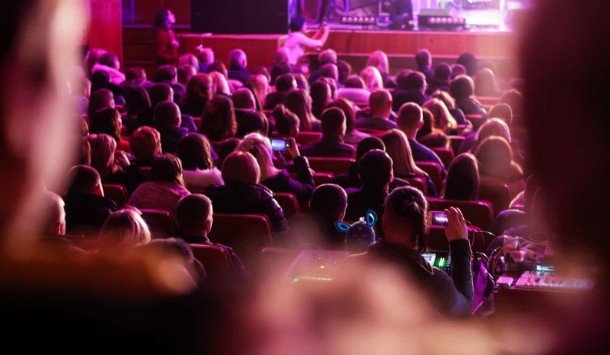
Whenever I attend a live concert, I notice that the musicians are not simply reproducing songs exactly as they were recorded. They are reading the room, responding to movement, and adjusting to the emotional atmosphere around them.
This helps explain how concert audiences influence a performance through an ongoing exchange of attention, energy, sound, and body language. A responsive crowd can inspire musicians to perform with greater intensity, while a distracted or disruptive audience can weaken concentration and change the direction of the show.
A Concert Is a Two-Way Experience
Live music may appear to move in only one direction, from the stage to the listeners, but the interaction is reciprocal. Performers send music and emotion into the room, while listeners answer with applause, silence, movement, singing, facial expressions, and other visible reactions.
Musicians interpret these signals as immediate feedback. When people dance, lean forward, or sing enthusiastically, performers can recognize that a song is connecting. This real-time exchange also contributes to the cultural impact of music festivals, where collective audience reactions can shape memorable performances. When listeners appear distracted or begin talking, musicians may sense that attention is fading.
Unlike studio recording, live performance unfolds without a reset button. Performers must make decisions while observing the audience, which helps make every concert different—even when the setlist remains unchanged.
Crowd Energy Can Intensify the Music
“Crowd energy” may sound abstract, but it produces observable changes. Musicians commonly play with stronger gestures, more expressive movements, or greater dynamic contrast when listeners are engaged.
Research comparing rehearsals with public performances has found that musicians may intensify both movement and musical expression in front of an audience. Faster, dance-like pieces can become slightly quicker, while slower and more flexible pieces may be given additional space. These changes do not necessarily happen consciously. They can emerge from the heightened attention created by the event.
A lively crowd can also encourage performers to hold a final note longer, repeat a chorus, extend an instrumental break, or increase the dramatic contrast between quiet and loud passages.
The Psychology of Performing in Front of Others

The presence of other people increases psychological and physical arousal. This effect is often explained through social facilitation, the idea that being observed can improve a familiar or well-practiced activity.
An experienced musician playing well-rehearsed material may become more focused in front of listeners. The performer has a reason to communicate where the gesturing is important, take expressive risks, and bring familiar songs to life. Some performances recorded in front of audiences have even received more favorable listener evaluations than versions recorded without an audience.
However, increased arousal does not always help. Complicated material, unfamiliar arrangements, or intense expectations can turn excitement into performance anxiety. A musician may rush, lose concentration, tighten physically, or become overly cautious. Audience presence can therefore strengthen confident performance while placing additional pressure on difficult tasks.
Applause and Silence Both Communicate
Applause tells performers that a moment has succeeded, but silence can be equally meaningful. During intimate acoustic music, classical performances, or emotionally delicate songs, attentive silence shows that listeners are absorbed.
The meaning of a reaction depends on its timing and context. Loud cheering may energize a rock show but interrupt a quiet transition. Silence can signal deep concentration in one venue and disinterest in another. Experienced performers learn to distinguish attentive stillness from emotional distance.
Applause also influences pacing. A strong response may cause musicians to pause longer, acknowledge the crowd, introduce another song, or return for an encore. A brief reaction can encourage them to move quickly into the next part of the show.
Participation Can Change the Direction of a Show
Singing, dancing, clapping, and call-and-response sections allow listeners to become active contributors. When participation is enthusiastic, an artist may extend a chorus, reduce the instrumental volume so voices can be heard, or invite another response.
Improvisational musicians are especially sensitive to real-time reactions. Applause after a solo can encourage experimentation during the next one. A receptive audience may give performers the confidence to stretch a section, explore unfamiliar ideas, or depart from the original arrangement.
Crowd response can even influence a setlist. Although many major productions follow tightly planned sequences, performers sometimes add a request, change the order, or replace a song when they sense that the room needs a different emotional direction.
Venue Size Shapes the Connection

A small venue creates a direct relationship between musicians and listeners. Performers can see facial expressions, hear individual comments, and recognize subtle changes in attention. This intimacy can encourage storytelling, improvisation, and informal interaction.
In an arena or festival setting, individual reactions merge into a collective signal. Large-scale singing, synchronized movement, phone lights, and powerful cheering can produce an enormous emotional response. The communication becomes less personal but more physically overwhelming.
Room design also matters. Distance from the stage, lighting, sound quality, seating arrangements, and visibility can either strengthen or weaken the feedback loop. A smaller crowd close to the performers can sometimes feel more responsive than a larger audience spread across an unsuitable space.
Different Genres Create Different Audience Roles
Audience behavior is guided partly by musical tradition. Jazz listeners may applaud after individual solos, encouraging musicians while the piece continues. Pop audiences often sing familiar lyrics and participate in choreographed responses. Rock crowds may express enthusiasm through dancing, jumping, or physical movement.
Classical listeners generally communicate through silence during a piece and applause after it finishes. This does not make them passive. Their concentration creates the focused environment that performers need.
When Audience Behavior Damages the Performance
Participation becomes harmful when it ignores performers’ boundaries or other listeners’ safety. Throwing objects, using disruptive flash photography, shouting during quiet passages, pushing through crowds, or attempting to start personal conversations can break concentration and create physical danger.
Excessive phone use can also affect the atmosphere. Recording a short memory is different from watching an entire performance through a screen or blocking someone else’s view. When large portions of a crowd appear disengaged, musicians may receive less useful emotional feedback.
Supportive audiences participate without trying to take control. They respond to invitations, respect quiet moments, follow venue rules, and remain aware that everyone shares the experience.
Frequently Asked Questions
1. How do audiences affect a musician’s confidence?
Visible engagement can reassure musicians that their performance is connecting. Limited response may create uncertainty, although experienced artists understand that quiet audiences are not necessarily uninterested.
2. Why do musicians perform songs differently in concert?
Artists may change tempo, dynamics, phrasing, arrangements, solos, and transitions to suit the venue and audience response. Live performance also allows room for spontaneity that studio recordings cannot reproduce.
3. How concert audiences influence a performance differently across genres?
Audience influence follows the conventions of each genre. Jazz encourages reactions to improvisation, pop invites singing, rock welcomes physical energy, and classical music often depends on focused silence.
4. Can a quiet crowd improve a concert?
Yes. Attentive silence can help performers concentrate and communicate subtle musical details. The important distinction is between absorbed silence and distracted disengagement.
The Final Note
I see a memorable concert as something musicians and listeners build together. The artist provides the preparation, skill, and creative direction, but the audience supplies a living emotional context. Its applause, silence, movement, restraint, and participation can shape tempo, confidence, improvisation, intensity, and even the songs that get played.
Listeners do not need to be constantly loud to contribute. They simply need to be present, responsive, and respectful. When that connection works, a familiar song stops feeling like a reproduction and becomes a moment that could only have happened in that room.
Leave a Reply