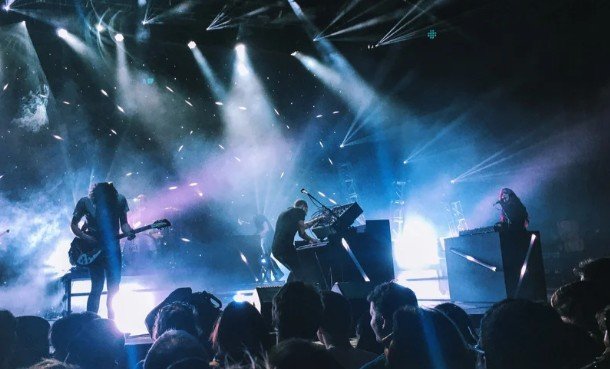
When I picture a music festival, I do not think only about stages, crowded fields or a weekend of performances. I see a temporary world where people discover artists, express different sides of themselves and connect through a shared experience. The cultural impact of music festivals reaches far beyond the final performance, influencing identity, fashion, creativity, local communities and even how people understand one another.
Festivals can introduce audiences to unfamiliar sounds and traditions while giving artists space to experiment. At the same time, they can create problems involving commercialization, exclusion, environmental damage and cultural appropriation. Understanding both sides reveals why these events occupy such a powerful place in modern culture.
Festivals Create Temporary Communities
A festival brings strangers together around a shared interest. Attendees sing the same lyrics, react to the same performances and move through the same physical environment. These synchronized experiences can produce an unusually strong feeling of connection.
That connection does not necessarily end when attendees return home. People maintain festival friendships, join online fan groups and reunite at later events. Annual festivals can develop their own customs, symbols and expectations, giving regular attendees a sense of membership.
However, these communities are not automatically open to everyone. High ticket prices in concerts, travel expenses, inaccessible venues and safety concerns can prevent some people from participating. A festival may advertise unity while remaining available mainly to audiences with sufficient money, mobility and free time.
Music Festivals Shape Personal Identity
Festivals allow people to explore who they are outside their ordinary routines. Clothing, dancing and participation in a particular music scene can communicate personal tastes and social identity.
A person attending a punk, jazz, folk, electronic or heavy-metal festival is not simply consuming music. They may be affirming membership in a wider culture with its own values, visual language and history. The temporary freedom of a festival can help attendees become more confident about interests they suppress in everyday settings.
Collective emotion strengthens this experience. When thousands of people respond to a song together, an individual memory becomes part of a larger cultural moment. Choosing to support independent music venues helps preserve the spaces where these shared experiences begin, which is one reason certain performances remain meaningful long after the event has ended.
Festivals Help Artists and Genres Reach New Audiences
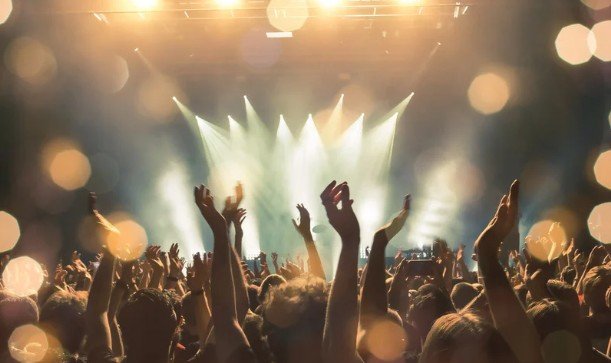
Festival programming can introduce listeners to performers they would never have searched for independently. Someone waiting for a headliner may encounter an emerging artist, regional tradition or unfamiliar genre on another stage.
This discovery benefits musicians by expanding their audiences and creating opportunities for collaborations. It can also help niche genres move into mainstream awareness. When festivals place different styles beside one another, they encourage musical exchange and challenge listeners to move beyond familiar playlists.
Programming decisions nevertheless carry cultural power. Organizers determine which artists receive prominent stages, favorable schedules and marketing attention. Repetitive lineups can reinforce existing industry hierarchies, while adventurous programming can create space for independent performers and overlooked traditions.
Fashion and Art Extend the Festival Experience
Music festivals have become influential visual environments. Clothing, makeup, stage design, photography, installations and performance art all contribute to the atmosphere. Styles seen at major events can spread rapidly through social media and influence broader fashion trends.
These events can encourage creative self-expression, but their visual culture can also become commercialized. Brands may transform an organic style into a seasonal marketing campaign, while attendees may feel pressured to dress for photographs rather than comfort or personal meaning.
Cultural appropriation is another concern. Sacred symbols, traditional clothing and Indigenous designs can be removed from their original context and treated as costumes. Responsible festival culture requires understanding the difference between respectful cultural exchange and using another community’s identity as decoration.
Local Communities Experience Lasting Effects
Host communities may benefit from visitor spending, temporary employment and increased attention. Hotels, restaurants, transportation providers, vendors and local artists can gain new customers. Smaller festivals may also strengthen regional pride by celebrating local history, food, music and craftsmanship.
The cultural value can extend beyond the event. Some organizers support arts education, rehearsal facilities, public installations or year-round community programs. A successful festival may change how outsiders view a town and how residents perceive their own cultural identity.
The costs are equally important. Noise, traffic, waste, rising prices and crowded public services can strain relationships with residents. Communities may feel that their neighborhoods are being packaged for visitors without providing local people with a meaningful role in planning. Lasting cultural value is more likely when residents, artists and businesses are treated as partners instead of scenery.
Commercialization Can Change Festival Culture
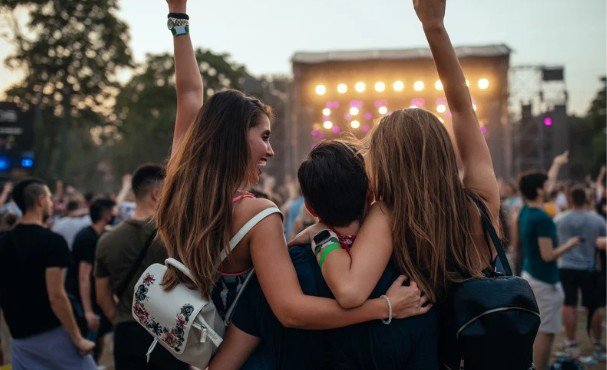
Many festivals developed from grassroots scenes, community gatherings or artistic movements. As events grow, sponsorships and corporate investment can provide better infrastructure, professional production and financial stability.
Commercial growth can also weaken what made an event distinctive. Similar headliners, branded spaces and premium access areas may create an experience that feels manufactured. When financial priorities dominate programming, festivals risk becoming interchangeable entertainment products rather than genuine expressions of a musical community.
Artist-curated and independent festivals offer an alternative by building events around a particular creative vision. These models can support experimentation, although they often face significant financial risks and have fewer resources than corporate-backed competitors.
Environmental Values Are Part of Festival Culture
Festivals can promote environmental awareness through reusable containers, public transportation, waste sorting and responsible campsite policies. Because attendees participate in a shared temporary environment, sustainable behavior can become part of the event’s identity.
Yet large gatherings consume energy, generate waste and produce transportation emissions. Environmental messaging has limited value when it is not supported by measurable action. Organizers need practical systems, transparent goals and cooperation from attendees, vendors and performers.
Frequently Asked Questions
1. What is the cultural impact of music festivals?
It includes the ways festivals influence community, identity, artist discovery, fashion, tourism, social values and the use of public space. These effects may be positive or negative depending on how an event is planned.
2. How do festivals bring people together?
Shared music, movement and emotion can create a temporary sense of belonging. Repeated attendance and online interaction may turn that connection into a longer-lasting community.
3. Do festivals help emerging musicians?
They can expose performers to larger and more varied audiences. Their value depends on fair scheduling, suitable stages and meaningful opportunities beyond a brief appearance.
4. Can music festivals harm local culture?
Yes. Poorly managed events can cause disruption, exclude residents, commercialize local traditions or place pressure on infrastructure. Community participation can reduce these risks.
5. Why is diversity important in festival programming?
Diverse programming gives audiences access to more perspectives and distributes cultural visibility more fairly. It can also prevent festivals from relying on predictable, repetitive lineups.
Final Thoughts
I believe music festivals matter because they transform listening into participation. They allow people to explore identity, encounter unfamiliar art and feel connected to something larger than themselves. Their most meaningful influence appears when that energy continues through new friendships, creative opportunities and stronger local cultural life.
However, celebration should not prevent critical thinking. Festivals must consider who is represented, who can attend, how residents are affected and whether environmental promises produce real improvements. When organizers balance artistic ambition with inclusion and responsibility, a temporary gathering can leave a valuable legacy long after the stages disappear.
Leave a Reply