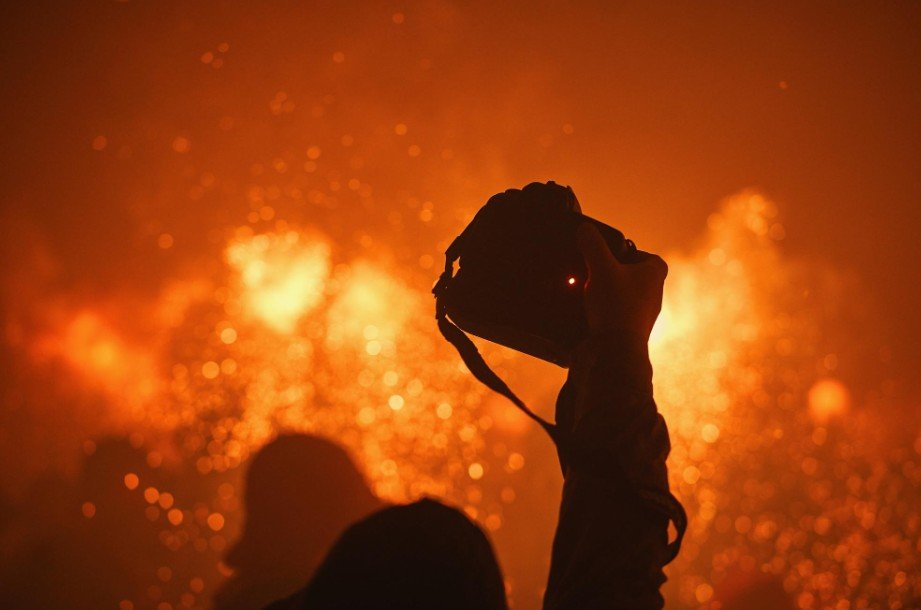
I can forget the order of songs at a concert and still remember one photograph perfectly: a singer reaching toward the crowd, my friend laughing beside me, or the color of the lights just before the encore. When I see that image again, other details return with it. That is how concert photography shapes music memories. A photograph records one moment, but the meaning we attach to it can keep changing long after the show ends.
A Photograph Gives the Night a Place to Begin
Live music moves quickly. The lights change, a song ends, and the crowd reacts before anyone has time to take it all in. A photograph lets us return to one part of that experience and use it as a starting point for remembering the rest.
The image does not need to show the biggest moment of the performance. A picture of the empty stage before the band arrived might remind someone of the anticipation in the room.
A shot of friends waiting outside the venue might bring back the journey there and the conversation afterward. What happens during live soundcheck can also become part of those memories, especially when fans arrive early enough to notice the musicians preparing the stage and testing the sound. The details around the music often make the night feel personal.
Why Small Details Matter
A ticket held against the stage, rain shining on an outdoor crowd, or a drummer’s expression can distinguish one show from another. Without those details, memories of several concerts may begin to blend together. A specific image gives the mind something to return to.
Photographs Preserve the Feeling Between Performer and Crowd
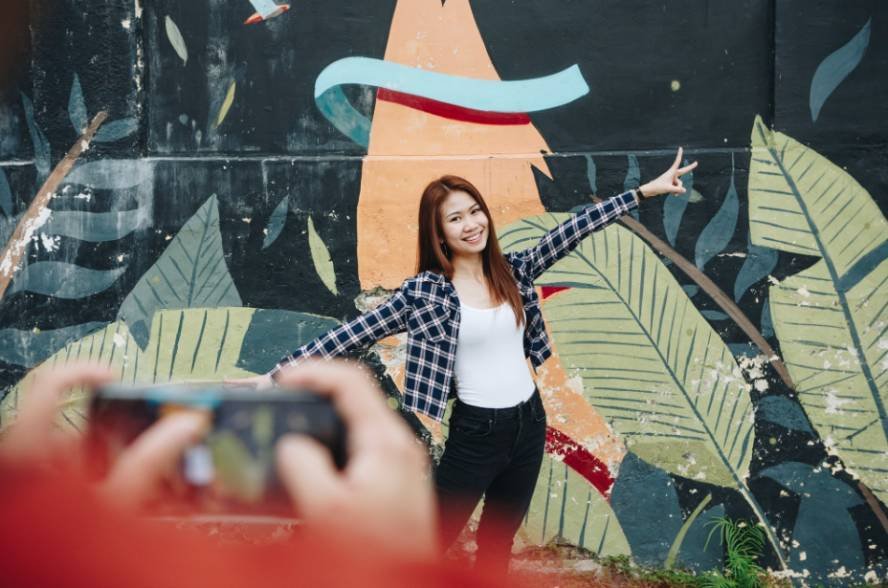
Concert images are most affecting when they show a relationship. A singer looks toward the front row. Fans sing a chorus back. Two band members turn toward each other at the end of a song. These moments suggest what it felt like to share a room with the performers and everyone listening.
That is why crowd photographs deserve as much attention as stage portraits. How DIY music venues support underground artists is also reflected in these images, especially when photographs capture smaller performances where artists and audiences share a more direct connection. A clear image of an artist tells us who performed.
A clear image of an artist tells us who performed. A photograph that includes the audience can also show how the performance was received. Faces, gestures, and movement help tell the story of the night.
A professional photographer may capture that exchange from a useful angle with careful timing. A fan’s photo may be blurry or partly blocked, yet still hold a strong memory because it shows the view from where that fan stood. Both images can matter for different reasons.
The Photographer Helps Decide What We Remember
Every photograph involves a choice. The photographer decides where to stand, when to press the shutter, and which images to keep. Those decisions shape the story people see later.
A tight portrait can make a performance feel intimate. A wide shot can show the scale of the venue and the crowd. An image taken during a quiet song may reveal an artist’s concentration, while a photograph from the encore may capture movement and celebration. Neither frame tells the whole story on its own.
Editing also matters. Selecting only dramatic stage shots can leave out the friendships, waiting, and shared reactions that made the concert memorable to fans. A varied collection gives a fuller sense of the evening: the venue before the show, the performance, the audience, and what happened as people left.
Can Taking Photos Change the Experience?
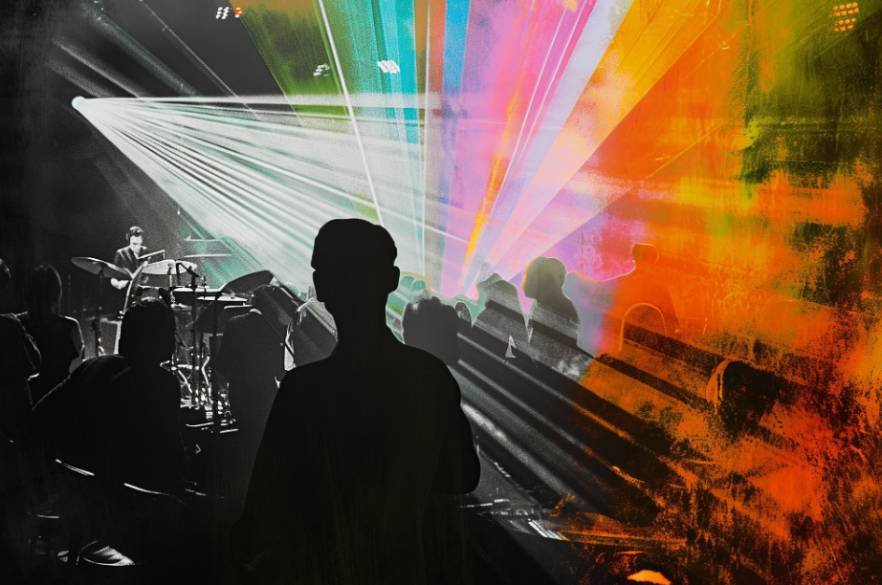
I think this is the question every concertgoer should consider. Photography can make us notice visual details we might otherwise miss. It can also pull our attention toward framing a shot when we would rather be listening.
Research on photography and memory points in both directions. One study found that people remembered less about museum objects they were instructed to photograph than objects they simply observed. Other research found that taking photos improved memory for visual aspects of an experience while drawing attention away from auditory details. Those studies took place outside concerts, so they do not offer a rule for every show. They do suggest that what we pay attention to matters.
There is a practical balance. Take a few photographs that mean something to you, then lower the camera and listen. The image can help you revisit the night; being present gives you more of the night to revisit.
Sharing Photos Creates a Collective Story
A concert photograph can carry memories beyond the person who took it. Friends may notice themselves in the background or remember a song when they see the stage lighting. Someone who attended the same show from another part of the venue may recognize a moment they had almost forgotten.
Images can also preserve a record of smaller performances and local music scenes.
Why small music venues matter to local culture becomes especially clear when photographs document the spaces where local artists perform, audiences gather, and communities build connections around music.
A photograph of a crowded room may later show what a venue looked like, how an audience gathered, and which artists played there. As people share and discuss those images, they add names, stories, and context that a picture alone cannot provide.
Frequently Asked Questions
1. How concert photography shapes music memories for fans?
It gives fans visual cues that can bring back people, places, and feelings associated with a show. The strongest cues are often personal details, such as who was there or what happened around a favorite song.
2. Are professional concert photos more meaningful than fan photos?
They serve different purposes. Professional images can show moments a fan could not see clearly. Fan photos often preserve the personal view from a particular seat or place in the crowd.
3. Should I photograph the whole concert?
You can, but consider whether filming or taking photos is changing how you experience the music. A few chosen images, paired with time spent watching and listening, may tell you more about the night later.
What Stays With Me After the Show
When I look back at a concert photo, I do not expect it to reproduce the sound or capture every minute. I value it because it helps me recall what surrounded that moment: who came with me, how the room responded, and why a song mattered then. To me, how concert photography shapes music memories depends on both the image and the experience I gave myself time to have.
Leave a Reply