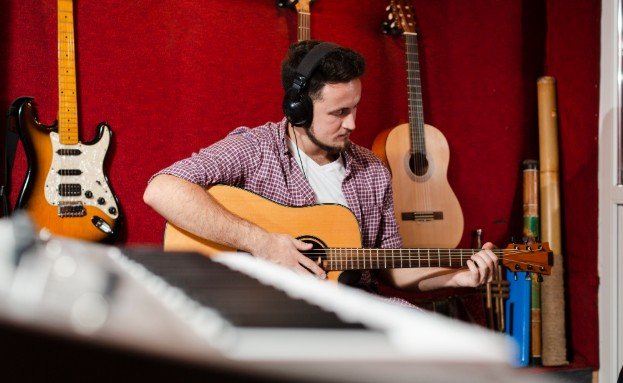
I have always felt that the character of a music scene becomes clearest in its smallest rooms. A modest stage, a local band, and an audience standing only a few feet away can reveal more about a community than a highly produced arena concert.
Understanding why small music venues matter to local culture means looking beyond entertainment. These spaces develop artists, bring strangers together, preserve musical traditions, create employment, and give neighborhoods a place to express their identity.
Small Venues Give Emerging Artists a Starting Point
Almost every successful performer needs a place to begin. Small venues provide musicians with opportunities to perform original material before they have a large following or professional industry support.
Artists can use these shows to improve their stage presence, observe audience reactions, adjust set lists, and learn how to handle technical problems. A rehearsal room cannot fully recreate the pressure or energy of a live audience. Regular performances help musicians become more confident while revealing which songs create a genuine connection.
These venues also introduce artists to sound engineers, photographers, promoters, journalists, booking agents, and other musicians. A conversation after an intimate show may lead to a collaboration, festival appearance, supporting slot, or future tour. Without accessible local stages, new performers face a much larger gap between creating music privately and entering the professional live circuit.
They Build Real Community Connections
Digital platforms help people discover music, but they cannot completely reproduce the feeling of sharing a physical space. At a small concert, the audience sees the same local faces, speaks directly with performers, and becomes part of a recurring social experience.
Over time, regular attendees begin recognizing one another. Friendships develop around shared tastes, while musicians exchange ideas and recommend each other for shows. The venue becomes a cultural meeting place rather than simply a business selling tickets and drinks.
This sense of belonging can be especially meaningful for people who feel disconnected from mainstream entertainment or local social life. Punk rooms, jazz clubs, folk spaces, experimental stages, and independent dance venues often give particular communities a welcoming place to gather. When they are managed responsibly, these rooms can help people feel represented, accepted, and connected.
Local Music Rooms Preserve Cultural Identity
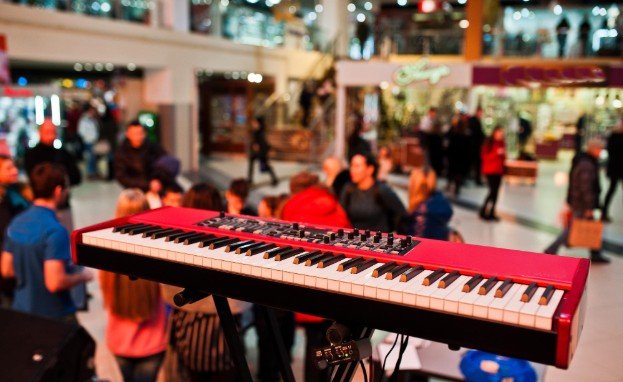
Local performers may write about familiar streets, regional experiences, political concerns, community celebrations, or changing neighborhoods. Audiences understand these references because they share the same cultural environment. This creates a relationship between performer and listener that is difficult to reproduce in a large, anonymous setting.
Venues can also become part of a place’s collective memory. People remember where they saw a favorite performer for the first time, met future friends, joined a creative project, or discovered an unfamiliar genre. Even modest rooms can eventually become landmarks because of the stories created inside them.
Independent Stages Encourage Musical Experimentation
Major concert spaces usually depend on performers who can attract large audiences. Smaller venues have more flexibility to present emerging acts, unusual collaborations, niche genres, and experimental performances.
This creative freedom matters because new movements rarely begin as commercially safe ideas. They develop through repeated performances where artists influence each other and audiences respond directly. A musician can test an unconventional sound without needing to fill thousands of seats.
Local bookers also play an important curatorial role. They may recognize promising performers before streaming numbers or social media attention indicate mainstream potential. Their knowledge helps listeners encounter music that recommendation algorithms might never present.
The Economic Impact Reaches the Neighborhood
The value of a live show extends beyond the ticket price. Concertgoers may eat at nearby restaurants, use public transportation, pay for parking, visit local stores, or stay overnight. Venues also employ bartenders, security workers, cleaners, stage crews, sound engineers, lighting technicians, promoters, designers, and administrative staff.
Independent stages therefore support a network of local workers and businesses. Active venues can increase evening foot traffic and help turn underused areas into recognizable cultural districts.
However, community value does not guarantee financial security. Small venues frequently operate with narrow margins while managing rent, insurance, staffing, equipment maintenance, licensing, utilities, and artist payments. A packed room may look successful while producing only a limited profit.
What Happens When a Local Venue Closes?
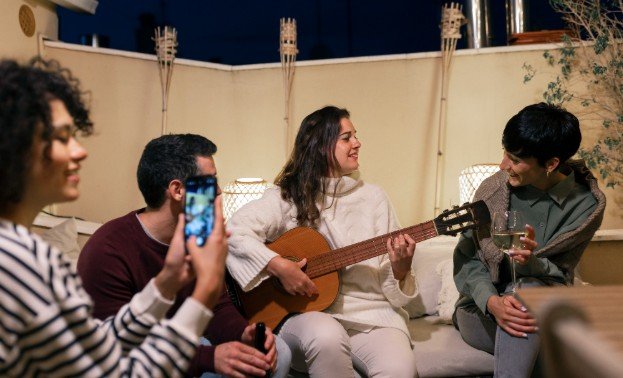
The loss is larger than an empty building. Artists lose a stage where they can develop, workers lose income, nearby businesses lose customers, and audiences lose an accessible gathering place.
The relationships created around the venue may also scatter. Musicians have fewer chances to meet collaborators, while young performers may struggle to find their first booking. If closures continue across a region, the entire pathway from beginner to established touring artist becomes weaker.
Redevelopment can preserve a building while removing its cultural function. A former club converted into expensive apartments or a chain business may retain its physical shell, but the performances, memories, professional networks, and sense of belonging cannot automatically be transferred elsewhere.
Small Shows Make Live Music More Accessible
Arena concerts can involve expensive tickets, transportation, parking, and other costs. Local shows are often easier to attend and may offer lower admission prices, shorter travel distances, and more frequent opportunities to experience live music.
Smaller rooms also reduce the emotional distance between performers and audiences. Listeners can see how musicians communicate, improvise, recover from mistakes, and respond to the crowd. After the performance, attendees may be able to speak with the artists or buy music and merchandise directly from them.
This accessibility turns music from a distant commercial product into a participatory cultural experience.
How Communities Can Protect Their Music Spaces
Audiences can help by purchasing tickets directly, arriving early for supporting acts, buying merchandise, inviting friends, and following venue calendars. Consistent attendance matters more than showing concern only after a closure is announced.
Musicians can contribute by promoting complete lineups, treating staff respectfully, arriving prepared, and encouraging their audiences to support the room itself. Nearby businesses can develop partnerships involving food, parking, advertising, or coordinated events.
Local decision-makers also have a role. Fair licensing systems, sensible noise policies, cultural grants, improved nighttime transportation, affordable artist parking, and protections from sudden redevelopment can make independent venues more sustainable.
Frequently Asked Questions
1. Why do emerging artists need small venues?
They need practical spaces where they can develop stage skills, test songs, meet collaborators, attract supporters, and build a performance history before approaching larger venues.
2. How do local music venues strengthen communities?
They create recurring gathering places, support relationships among residents, provide cultural experiences, employ local workers, and bring customers to surrounding businesses.
3. Why small music venues matter to local culture?
They preserve community stories, give local artists a platform, encourage creative experimentation, strengthen neighborhood economies, and provide an accessible place for shared experiences.
4. Can a small venue affect the wider music industry?
Yes. Smaller stages create an essential development pathway for performers, technicians, promoters, photographers, bookers, and other professionals who may later work throughout the industry.
5. What is the easiest way to support a local venue?
Attend events regularly, purchase directly from the venue, support opening performers, buy food or merchandise when available, and introduce other people to the space.
A Final Note
I see small venues as living cultural infrastructure. Their importance comes from the artists they develop, the relationships they create, and the memories they hold. When one disappears, a community loses more than a performance room; it loses part of its creative voice.
Supporting why small music venues matter to local culture as an idea begins with treating these spaces as valuable community assets while they are still open, active, and creating new stories.
Leave a Reply