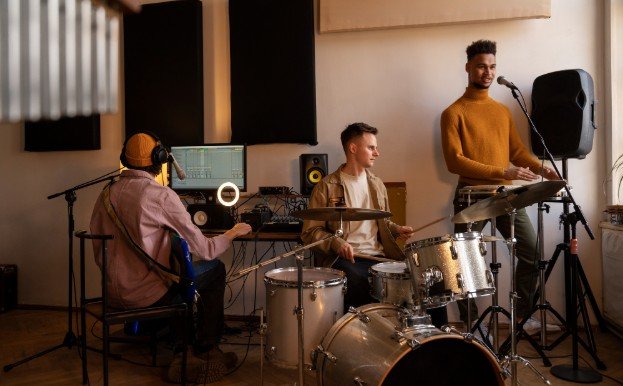
The first thing I notice at a concert is rarely the stage. It is the crowd: strangers singing the same line, friends finding each other near the back, and someone discovering a new favorite artist before the headliner appears. Those moments make me curious about how we arrived at today’s concert experience.
The evolution of live music culture is a story about more than bigger venues and brighter lights. It is also about who gets to participate, how audiences behave, and what it means to share music with other people.
Before the Modern Concert, Music Was Part of Everyday Life
Live performance existed long before tickets, setlists, or purpose-built venues. Music accompanied ceremonies, celebrations, storytelling, work, and dancing in different cultures. Often, the line between performer and audience was less rigid than it is at a formal concert. People could respond, move, sing, or take part directly.
That history matters because there is no single path from an ancient gathering to a modern festival. Musical traditions developed differently across communities. The ticketed concert is one way of organizing live music, rather than the starting point for every kind of performance.
How Concert Halls Changed Audience Expectations
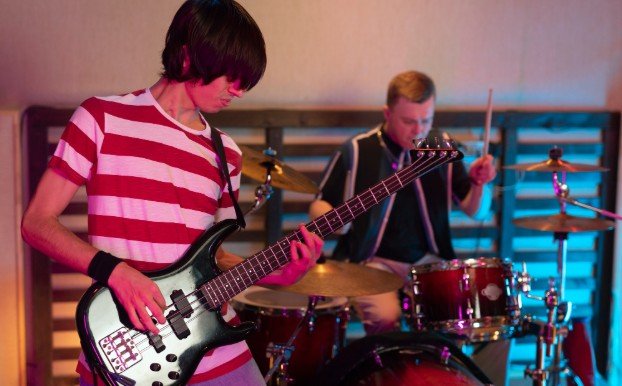
As dedicated performance spaces became more common, the setting changed the relationship between musicians and listeners. A raised stage made the performer easier to see while creating a physical boundary. Scheduled start times, admission fees, and programs gave events a more defined shape.
In many formal concert settings, audiences were expected to sit quietly and applaud at particular moments. That behavior can feel natural now, but it is a learned convention. Compare it with a dance floor, a street performance, or a community celebration, where movement and audible participation may be central to the music.
The Venue Helped Define the Experience
A hall invites focused listening. A small club lets the crowd respond immediately. An outdoor field gives people space to wander, meet others, and discover several acts. Venue size affects more than capacity: it influences sound, sightlines, social interaction, and the freedom an audience feels to participate.
Local Scenes Made Live Music a Community
Clubs and other small venues gave performers room to experiment and audiences a place to return. Regular shows helped people recognize one another, follow emerging acts, and develop tastes together. Those shared experiences help explain why fans feel emotionally connected at concerts. Over time, a venue could become part of a neighborhood’s identity.
These spaces also shaped musical styles. A performer can hear a room react and change a song, a set, or an entire approach. For fans, the appeal is often proximity: they can see the work behind a performance and feel that they witnessed something before it reached a much larger audience.
Amplification Opened the Door to Bigger Crowds
Microphones, electric instruments, and improved sound systems made it possible to reach audiences in increasingly large spaces. Performances could move beyond rooms built primarily for natural acoustics. As crowds grew, lighting, screens, and stage design helped people farther away follow what was happening.
Scale brought a different kind of excitement. Thousands of people could sing together, making the audience’s response part of the event. It also created a challenge that remains today: how does an artist make a distant seat feel connected to the stage?
Festivals Turned a Performance Into a Shared Journey
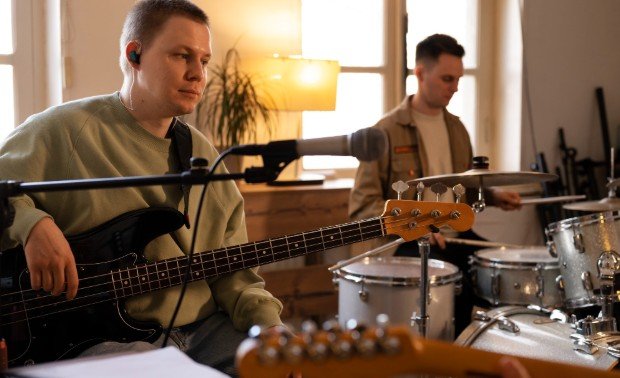
A festival asks more of its audience than a single concert. People travel, spend hours or days together, choose between performances, and discover music they might never have sought out on their own. Food, art, fashion, and the setting become part of the memory.
Festivals also show how culture and business can grow together. A gathering may express the values of a particular scene while relying on ticket sales, production crews, sponsors, and infrastructure. Looking at both sides gives a fuller picture than treating a famous festival as a single defining moment.
Stadium Shows Made Participation Visible
At a stadium concert, fans may be far from the performer, yet their collective actions can be impossible to miss. Singing, coordinated lights, and call-and-response moments connect separate sections of a huge venue. Elaborate visuals help tell the story from the back row, while the crowd supplies an energy no screen can create.
Digital Fandom Changed What Happens Before the Show
For many fans, a concert now begins months before the doors open. They meet online, discuss setlists, share clips, plan outfits, and arrange travel. Afterward, recordings and conversations keep the event alive.
Livestreams offer another way to watch, particularly when someone cannot attend in person. They broaden access to a performance, although watching through a screen creates a different relationship with the artist and fellow listeners. Today’s live music culture includes both the event in the venue and the communities that form around it.
Frequently Asked Questions
1. What is the evolution of live music culture?
The evolution of live music culture describes changes in where music is performed, how audiences participate, and how technology and social customs shape the experience. It includes shifts from communal and local performances to formal concerts, festivals, stadium shows, and digitally connected fandom.
2. Why do small venues still matter?
Small venues give artists opportunities to develop and let audiences experience performances up close. They also help sustain local music communities between major tours and festivals.
3. Has technology made concerts less personal?
Technology can help performers reach large crowds and fans connect before and after a show. Whether a concert feels personal still depends greatly on the performance, the venue, and the people sharing the moment.
What I Take Away From Live Music’s Story
When I look back across these changes, I keep coming to the same thought: audiences helped shape the show at every stage. They learned when to sit quietly, built local scenes, traveled to festivals, filled stadiums, and found one another online.
For me, the evolution of live music culture is most compelling when I remember the smaller human exchanges inside those big shifts. Venues and technology keep changing, but each generation finds its own way to make a performance feel shared.
Leave a Reply