
I have attended technically perfect shows that faded from my memory within days, while smaller and less polished performances remained vivid for years. The difference was rarely the price of the production or the size of the venue. Understanding what makes a live performance memorable means looking beyond musical accuracy and focusing on emotion, connection, pacing, atmosphere, and the feeling that something unrepeatable is happening in the room.
A great show does not simply reproduce recorded songs in front of an audience. It transforms familiar music into a shared experience. The performer, crowd, venue, sound, and unexpected moments all become part of a story that exists for one night only.
Emotional Honesty Creates a Lasting Connection
Audiences can usually sense when a performer genuinely believes in the music. A vocalist does not need to deliver every note flawlessly if the emotion behind the song feels sincere. An artist who appears vulnerable, joyful, angry, or completely absorbed in the moment can create a deeper connection than someone delivering a technically perfect but emotionally distant set.
This authenticity allows listeners to attach their own memories and experiences to the performance. A quiet song about loss may remind someone of a difficult relationship, while an energetic anthem may become connected to a night spent celebrating with friends. People remember these emotional associations long after they forget individual musical details.
Stage Presence Gives the Music a Human Face
Stage presence is not limited to dramatic dancing or constant movement. It is the performer’s ability to hold attention and communicate intention through posture, facial expressions, eye contact, movement, stillness, and speech.
An energetic rock band may command the stage by moving confidently and interacting with one another. A solo singer may create the same level of attention by remaining almost completely still during an intimate song. Both approaches work when they support the mood of the music.
The most effective performers also acknowledge the audience. They look beyond the first few rows, speak clearly, and make people throughout the venue feel included. Even a short greeting or sincere thank-you can reduce the emotional distance between the stage and the crowd.
A Strong Setlist Creates an Emotional Journey

A memorable set should feel like a story rather than a random collection of songs. If every track has the same speed, volume, or emotional intensity, the audience may lose focus even when the songs are individually strong.
Effective setlists use contrast. An energetic opening can capture attention, while a quieter section gives the crowd space to breathe. The intensity can then rebuild toward a recognizable favorite or emotionally powerful final song. These changes create anticipation, tension, release, and surprise.
Transitions deserve equal attention. Long, uncertain gaps can break the atmosphere, particularly when musicians appear unsure about what comes next. Artists can cover necessary tuning or equipment changes with a brief story, an instrumental passage, or prepared conversation.
The final song is especially important because endings strongly influence how an entire experience is remembered. It may be explosive, intimate, uplifting, or deliberately unresolved, but it should feel intentional.
Audience Participation Turns Listeners Into Participants
Crowd involvement can transform a performance from something people watch into something they help create. Singing a chorus, clapping to a rhythm, answering a call-and-response, or illuminating a dark venue together produces a sense of collective identity.
However, participation needs to suit the artist, song, and audience. Repeatedly demanding that a quiet crowd become louder can feel forced. A better performer reads the room and offers a natural invitation. Sometimes the most powerful form of participation is complete silence as everyone concentrates on a delicate performance.
Interaction also includes responding to what is happening in real time. Extending a chorus because the audience continues singing or changing the set’s pace when the room feels restless makes the show feel personal rather than programmed.
Live Music Should Offer Something the Recording Cannot
Listeners can play a studio recording whenever they choose, so a concert should offer a meaningful difference. That does not require completely rearranging every song. Small changes can make familiar material feel fresh.
A performer might begin a popular track acoustically, extend an instrumental section, change the vocal phrasing, invite another musician onstage, or allow the audience to carry part of the song. These variations create a version that belongs specifically to that performance.
Improvisation is particularly valuable because it introduces genuine uncertainty. The audience recognizes that the moment is unfolding in real time and may never happen in exactly the same way again.
Sound and Visuals Support the Experience
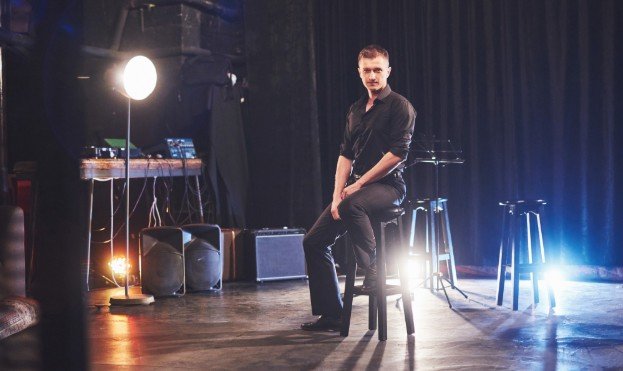
Emotional connection cannot fully compensate for painful volume, unclear vocals, or instruments that overwhelm one another. Good live sound allows listeners to understand the music without being distracted by technical problems.
Lighting, clothing, stage sound system arrangement, projections, and movement can strengthen the artist’s identity. These visual elements are most effective when they reinforce the music instead of competing with it. A subtle lighting change during a vulnerable song can carry more emotional weight than constant visual effects.
Large budgets are not essential. A carefully chosen color scheme, purposeful stage layout, and confident physical presence can give a small show a recognizable visual identity. Intention matters more than spectacle.
Surprises Create Stories People Retell
Unexpected moments often become the most discussed part of a concert. A surprise guest, an unreleased song, an unusual cover, an unplanned encore, or a performer entering the audience can make one night feel distinct from every other date on a tour.
Even mistakes can become memorable when handled confidently. A broken string, forgotten lyric, or temporary sound failure may humanize the artist if the response is relaxed and creative. The problem itself is less important than whether it interrupts the connection or produces a unique shared moment.
Surprises should still feel relevant. A random stunt may attract attention without adding emotional value. The strongest unexpected moments reveal something about the performer or deepen the audience’s relationship with the music.
Frequently Asked Questions
1. What makes a live performance memorable for an audience?
What makes a live performance memorable is the combination of emotional authenticity, confident stage presence, well-paced songs, clear sound, audience connection, and moments that feel unique to that particular show.
2. Is musical perfection necessary for a great concert?
No. Strong musicianship provides a foundation, but minor imperfections can make a performance feel human. Audiences generally respond more strongly to emotion and presence than mechanical perfection.
3. How can musicians improve audience engagement?
Musicians can use eye contact, concise stories, natural conversation, sing-alongs, responsive setlist choices, and genuine acknowledgment of the crowd. Participation should feel appropriate rather than demanded.
4. Can an intimate performance be more powerful than a large production?
Yes. A small venue can create closeness, clearer emotional communication, and direct interaction. Production scale matters less than whether the environment supports the artist’s music and personality.
The Final Note
When I think about the shows I remember most, I rarely recall whether every note was flawless. I remember the room becoming silent before a delicate lyric, strangers singing together, musicians reacting to one another, and the sudden realization that everyone present was sharing something temporary.
A lasting performance combines preparation with freedom. It has structure, but it also leaves space for human emotion and spontaneous change. When artists communicate honestly, shape the set with intention, and invite the crowd into the experience, the final note does not truly end the show. The feeling continues in the stories people tell afterward.
Leave a Reply