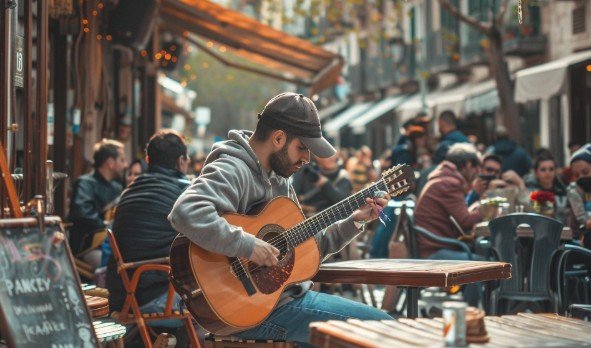
I used to think a thriving music scene simply appeared when enough talented bands lived in the same place. Looking more closely, I realized that talent is only the starting point. How local music scenes develop and grow depends on relationships between artists, venues, promoters, fans, studios, educators, journalists and other committed people. When these participants consistently support one another, occasional performances can gradually become a recognizable cultural movement.
A successful scene rarely begins with a major festival or famous artist. It usually starts in small rooms where musicians experiment, audiences form friendships and organizers learn which events resonate with the community. Growth happens when those experiences become consistent, accessible and meaningful.
What Is a Local Music Scene?
A local music scene is a community of performers, listeners, venues and music professionals connected by a particular place. It may revolve around a neighborhood, town or wider region. Some scenes share a genre, while others include several sounds linked by the same venues, organizers and audiences.
A scene is more than a list of bands. It includes rehearsal rooms, recording studios, independent labels, photographers, sound engineers, music teachers, record stores and digital communities. Each participant contributes something the others need, creating a local music ecosystem.
Local Scenes Usually Begin Informally
Many scenes start with a few musicians attending one another’s performances, sharing equipment or organizing shows in whatever spaces are available. Cafés, community halls, basements, art spaces and temporary outdoor stages may provide the first opportunities.
These early events are often imperfect, but they build personal connections. Artists meet potential collaborators. Attendees discover performers they cannot hear through mainstream channels. Someone who visits as a listener may later become a promoter, photographer or musician.
Repetition turns these isolated events into a pattern. A monthly showcase or weekly open mic gives people a dependable reason to gather. Familiar faces begin recognizing one another, and the community develops a sense of belonging.
Small Venues Create a Foundation

Accessible venues are among the most important parts of an emerging scene. New performers need rooms where they can develop stage confidence without being expected to attract enormous crowds. Fans also need affordable spaces where discovering unfamiliar music feels inviting rather than risky.
The strongest venues offer more than a stage. They provide dependable sound, respectful staff, fair communication and an atmosphere suited to the community. Some combine performances with cafés, galleries, record shops or workshops, allowing relationships to develop outside scheduled concerts.
Different venue sizes are equally important. Artists should be able to move from a small room to a medium-sized space as their audiences increase. If this pathway is missing, promising performers may have nowhere appropriate to develop.
Artists Grow Through Collaboration
Competition can create excitement, but collaboration gives a scene durability. Musicians strengthen their community by sharing shows, recommending performers to bookers, exchanging technical knowledge and introducing audiences to other artists.
Mixed lineups can connect listeners from separate genres. Songwriting circles and jam sessions encourage experimentation. Established acts can invite less experienced performers to open shows, giving newcomers valuable exposure and practical experience.
This cooperation also helps artists build regional touring routes. A band may host an out-of-town act and later receive a return invitation. Over time, these exchanges connect separate communities and bring new listeners, ideas and opportunities into the scene.
Loyal Audiences Turn Events Into Culture
Musicians cannot sustain a scene alone. Its growth depends on people who regularly attend shows, buy merchandise, share releases and invite friends. Twenty committed attendees who return every month can be more valuable than a large crowd that never comes back.
Audiences become loyal when events feel personal and inclusive. Reasonably priced tickets, reliable schedules, accessible spaces and safe environments encourage repeat attendance. All-ages performances can also introduce younger listeners to local music and help the community continue across generations.
Fans often become active contributors. They may create playlists, publish reviews, photograph concerts, design posters or volunteer at festivals. Their participation allows the culture to extend beyond the performance itself.
Promoters and Media Make Music Discoverable
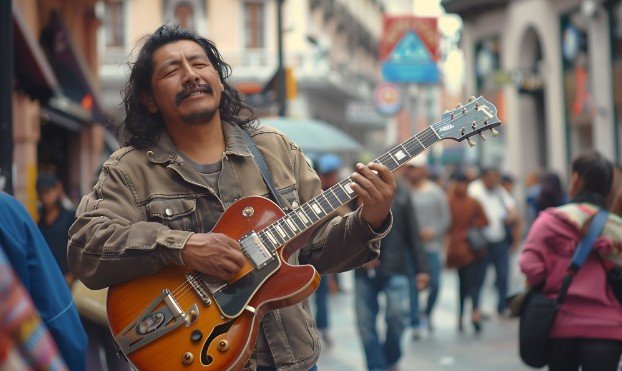
A strong event requires someone to coordinate artists, venues, schedules, equipment, and publicity. Understanding what makes a live performance memorable helps reliable promoters create cohesive lineups, treat performers fairly, and build lasting trust with both artists and audiences.
Local journalists, radio hosts, podcasters, photographers and playlist curators provide another essential service: documentation. Their work helps people discover upcoming events while preserving the scene’s history. Consistent coverage can turn a collection of individual acts into a visible cultural movement.
Digital promotion supports this process, but posting announcements is not enough. Short performance clips, artist interviews, rehearsal footage and venue stories show potential listeners why the community is worth joining.
A Distinctive Identity Emerges Over Time
A memorable scene develops qualities that cannot be easily reproduced elsewhere. Its identity might come from a recognizable sound, an unusual performance space, a collaborative attitude or the cultural character of its surroundings.
This identity should emerge naturally. Trying to manufacture a trend can make events feel disconnected from the people creating them. Scenes become distinctive when artists respond to their shared environment while having enough freedom to experiment.
Understanding how local music scenes develop and grow also means recognizing the value of authenticity. A community becomes culturally significant when participants build something that reflects their experiences rather than imitating a successful scene elsewhere.
What Can Stop a Music Scene From Growing?
Venue closures can remove the physical spaces where relationships form. Rising rents, restrictive noise rules, poor transportation and complicated licensing may make regular events financially impossible. A lack of rehearsal rooms and affordable recording facilities can create additional barriers.
Internal problems matter too. Unfair payment, repetitive lineups, weak organization and exclusionary behavior can drive people away. If the same performers receive every opportunity, emerging artists and underserved groups may struggle to participate.
Growth must therefore include sustainability. Organizers need fair financial models, venues require dependable attendance and musicians deserve clear agreements. Community leaders can help by protecting cultural spaces, supporting music education and including working artists in planning decisions.
Frequently Asked Questions
1. How long does it take to establish a music scene?
There is no fixed timeline. A connected community may become visible within a few years, but lasting scenes require consistent events, dependable spaces and relationships that survive changing trends.
2. Can a small town support a music scene?
Yes. Smaller communities can build active scenes through multipurpose venues, shared regional events, local festivals, music education and partnerships with nearby towns.
3. Why are independent venues so important?
They give developing performers a place to practice live, meet collaborators and build an audience. They also provide communities with recurring spaces for creative and social interaction.
4. How do fans help local artists grow?
Fans contribute by attending shows, buying music or merchandise, following local media, sharing event information and introducing other listeners to emerging performers.
5. How local music scenes develop and grow sustainably?
They grow sustainably through regular events, accessible venues, fair artist treatment, inclusive participation, local media coverage, music education and cooperation among community members.
Where a Lasting Scene Ultimately Begins
When I examine successful music communities, I see the same foundation: people repeatedly showing up for one another. Famous acts and large festivals may eventually attract attention, but they are usually results of earlier community work.
A scene becomes lasting when artists have room to experiment, venues can remain open, promoters act responsibly and fans feel personally invested. Protecting those relationships allows local music to evolve without losing the character that made people care about it in the first place.
Leave a Reply