
When I watch a new artist perform, I rarely remember every note or lyric perfectly. What stays with me is the feeling they created: the way they entered the stage, communicated with the audience, recovered from mistakes, and made the room feel involved. Musical ability may earn an artist a performance opportunity, but presence can turn that opportunity into a lasting impression.
For musicians who are still building recognition, every concert is more than a chance to play songs. It is an opportunity to introduce an identity, attract followers, impress industry professionals, and give listeners a reason to care. Fortunately, compelling presence is not a mysterious quality reserved for naturally outgoing performers. It is a practical skill that can be developed through preparation, awareness, and experience.
What Stage Presence Really Means
Stage presence is the ability to hold attention and communicate the meaning of a performance through more than sound. It includes posture, facial expression, eye contact, movement, energy, appearance, spoken interaction, and the way an artist responds to the atmosphere in the room.
It does not require constant dancing, dramatic clothing, or an exaggerated personality. An acoustic singer standing almost completely still can be captivating when every expression feels intentional. Meanwhile, an energetic performer can lose attention if their movements appear disconnected from the music.
Why Emerging Artists Need a Memorable Live Identity
Established performers often walk onstage before audiences who already recognize their songs and personalities. New musicians do not have that advantage. They may need to win over people who are talking, checking their phones, waiting for another act, or hearing the music for the first time.
This is where the importance of stage presence for emerging artists becomes particularly clear. A memorable performance helps an unfamiliar musician stand apart on a crowded bill. Even when listeners cannot recall a song title, they may remember the performer who made eye contact, told an engaging story, created a powerful emotional moment, or handled the stage confidently.
That memory can lead to new followers, playlist searches, merchandise purchases, recommendations, and attendance at future shows. Presence gives the audience a reason to continue the relationship after the final song.
Live Performance Can Build Genuine Fan Loyalty
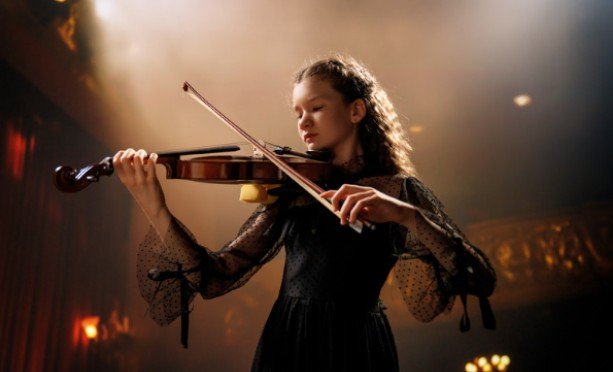
People can stream a polished recording at any time. A live event must offer something they cannot receive from the recorded track alone. That added value comes from immediacy, unpredictability, shared emotion, and interaction.
An artist can strengthen that experience by acknowledging different areas of the venue, introducing a song with a short meaningful story, inviting participation when appropriate, and responding naturally to the crowd’s energy. These choices make listeners feel included instead of treated as passive observers.
Strong engagement also encourages word-of-mouth promotion. People are more likely to tell friends about a performance that made them feel something. They may also share concert clips, tag the artist, or post about the show, extending its reach beyond the venue.
A Strong Performance Influences Career Opportunities
The audience is not always the only group evaluating an emerging musician. Venue bookers, promoters, festival organizers, journalists, photographers, managers, and potential collaborators may also be watching.
These professionals generally need artists who can do more than reproduce their recordings. They look for performers who can hold attention, maintain momentum, behave professionally, and respond calmly when something goes wrong. A technically accurate but emotionally distant set may be less convincing than a slightly imperfect performance delivered with confidence and connection.
Reliable performers are also easier to book again. When an artist keeps the audience engaged, manages transitions smoothly, and contributes to the atmosphere of an event, they demonstrate commercial and professional value.
Visual Identity Supports Artist Branding
A live show allows musicians to make their artistic identity visible. Clothing, lighting, stage arrangement, movement, and communication style can all reinforce the mood of the music.
These elements should feel consistent rather than overly manufactured. A quiet folk performer may favor warm lighting, intimate storytelling, and controlled movement. A high-energy band may use the full stage, interact visibly with one another, and create moments of audience participation.
Consistency helps people understand what the artist represents. It also produces recognizable photographs and performance videos that can strengthen websites, electronic press kits, social profiles, and promotional campaigns.
Stage Presence Makes Concert Content More Shareable
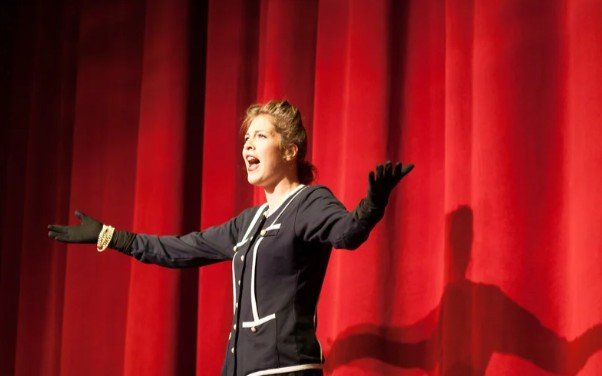
Live performances now reach well beyond the people inside the venue. A brief concert recording may later appear on short-form video platforms, music channels, venue pages, or promotional reels.
Purposeful movement and visible emotional expression make these clips more engaging, even when viewers encounter them without context. A strong entrance, an expressive chorus, or an effective audience interaction can become a valuable promotional moment.
Artists should therefore rehearse with both the room and the camera in mind. This does not mean performing for a phone instead of the audience. It means understanding that clear expressions, confident posture, and memorable moments can continue working long after the show ends.
Essential Elements of an Engaging Performance
Confident Body Language
Open posture communicates readiness and professionalism. Artists should avoid repeatedly looking at the floor, turning away without purpose, or making nervous movements that distract from the song.
Meaningful Eye Contact
Looking at different areas of the room creates connection. Artists do not need to stare intensely at individuals; brief, natural contact is enough to make an audience feel acknowledged.
Purposeful Movement
Movement should reflect the rhythm and emotional tone of the music, especially because music resonates in the brain and can influence physical and emotional responses. Mapping a stage before the show can help performers use the available space safely and naturally.
Smooth Transitions
Long, uncertain gaps between songs can drain energy from a set. Artists should rehearse introductions, instrument changes, count-ins, and the order of their material.
Professional Recovery
Missed lyrics, equipment failures, and timing errors happen. A performer who remains calm can prevent a small problem from defining the show. Sometimes a confident recovery even becomes its most memorable moment.
How Emerging Artists Can Improve

Improvement begins during rehearsal. Instead of practicing only the musical material, artists should run the complete show, including entrances, song introductions, transitions, audience interactions, and exits.
Recording rehearsals is especially valuable. Watching the footage without sound reveals whether posture, facial expressions, and movement communicate the intended emotion. Listening without watching can expose weak transitions or unclear spoken sections.
Small venues and open performance events provide useful low-pressure practice. Artists can experiment, observe audience reactions, and become more comfortable being watched. Feedback from trusted musicians, coaches, or audience members can also reveal habits that performers may not notice themselves.
Studying experienced performers is helpful, but imitation should be temporary. Artists can borrow principles such as purposeful movement or effective storytelling without copying another person’s gestures or identity.
Frequently Asked Questions
1. Why is the importance of stage presence for emerging artists so significant?
New artists often perform for people who do not know their music. Compelling presence helps capture attention, communicate identity, build emotional connection, and encourage listeners to follow the artist afterward.
2. Can a shy musician still command a stage?
Yes. Presence is not the same as extroversion. Quiet performers can be captivating through focused expression, deliberate stillness, honest communication, and a strong emotional connection to their material.
3. Should every movement be choreographed?
No. Planning key positions and moments can provide confidence, but excessive choreography may appear unnatural. A flexible structure usually leaves room for authentic reactions.
4. How can musicians measure improvement?
Artists can compare performance recordings, examine audience participation, request specific feedback, track post-show engagement, and note whether transitions and interactions feel more natural over time.
Final Takeaway
I believe an emerging artist’s greatest advantage is the ability to make a small audience feel that it witnessed something meaningful. Perfect technique matters, but people usually connect with emotion, personality, and authenticity.
Stage confidence develops gradually. By rehearsing the complete show, reviewing recordings, performing regularly, and learning from each audience, musicians can turn presence into a dependable career skill. When the visual performance supports the music rather than competing with it, even an unfamiliar artist can leave the room with new fans and stronger opportunities.
Leave a Reply