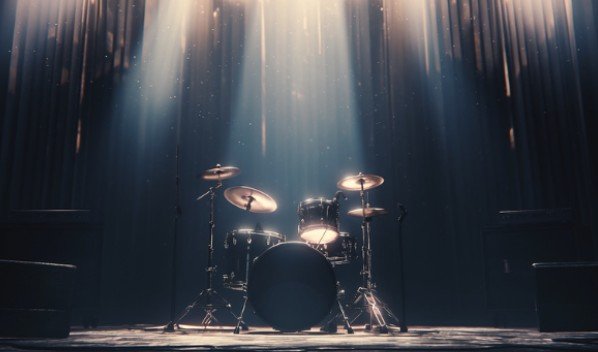
I have always found that the most exciting music does not necessarily begin beneath expensive lighting or in a packed commercial club. It often starts in a basement, community room, converted warehouse, record shop, or small independent performance space.
Understanding how DIY music venues support underground artists reveals why these modest spaces remain essential to the development of original music. They give performers somewhere to begin, experiment, earn money, meet collaborators, and connect with listeners without waiting for approval from the traditional music industry.
What Is a DIY Music Venue?
A DIY music venue is an independently organized performance space built around community participation and creative control. It may be operated by musicians, volunteers, promoters, artists, or local residents rather than a large entertainment company.
Some DIY venues have permanent locations, while others temporarily use galleries, studios, cafés, backyards, or community halls. DIY does not automatically mean unlicensed, unsafe, or poorly managed. The term primarily describes an independent, community-led approach in which people create their own opportunities instead of depending entirely on established clubs, labels, or booking agencies.
They Give New Artists Their First Stage
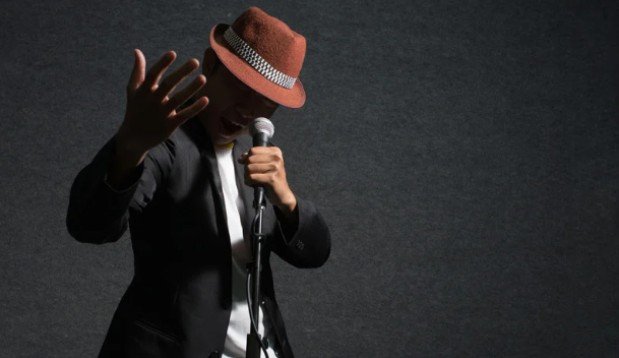
Commercial venues usually want performers who can already sell tickets. That expectation creates a difficult cycle: musicians need live experience to build an audience, but they need an audience to secure live opportunities.
DIY spaces can interrupt that cycle. Their organizers are often willing to book artists because their music is interesting, even when streaming numbers and social followings are small. A first show may place a new act alongside several established local performers, giving the newcomer access to listeners who might otherwise never discover them.
These early opportunities also help artists create a performance history. Photos, live recordings, attendance figures, and promoter recommendations can later strengthen applications to festivals, established venues, or touring opportunities.
They Create Room for Artistic Experimentation
Underground music does not always fit commercial programming. Experimental electronic music, noise, punk, improvised performances, unusual genre combinations, and multimedia sets may be considered too risky by conventional clubs.
Independent spaces allow musicians to test ideas before financial expectations begin shaping every decision. Artists can change arrangements, introduce unfamiliar songs, improve transitions, and discover how audiences respond. A performance that fails can still provide valuable information about pacing, sound, or presentation.
This creative freedom is especially important during an artist’s early development. Rather than copying whatever is currently popular, musicians gain time to establish an identity that feels authentic.
They Help Musicians Improve Their Live Skills
Rehearsing alone cannot fully prepare a musician for a live audience. Performers must learn how to manage nerves, recover from mistakes, communicate with sound engineers, maintain momentum, and hold people’s attention between songs.
Small spaces provide a practical training ground. Because the audience is physically close, artists receive immediate feedback. They can see when attention drops, when a song creates excitement, and when an introduction runs too long.
They Build Real Audiences and Stronger Communities
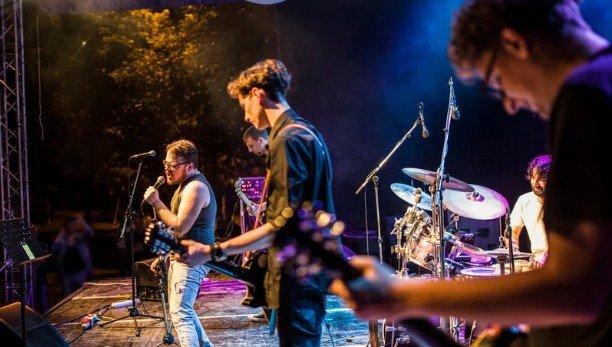
DIY shows are rarely isolated transactions between a performer and a ticket buyer. The same musicians, organizers, photographers, designers, volunteers, and listeners often return for multiple events. Familiarity produces trust, and trust encourages people to take chances on artists they have never heard before.
Mixed lineups can introduce one performer to another act’s followers. A punk audience may encounter an electronic producer, while fans of an experimental band may discover a local singer-songwriter. This cross-pollination helps musicians grow beyond the limits of algorithms and genre-specific playlists.
The intimate environment can also reduce the barrier between artist and listener. Conversations happen naturally after a set, allowing performers to form personal connections with people who may continue following, recommending, and financially supporting their work.
They Keep More Money Within the Scene
Large concert systems involve numerous expenses and intermediaries. DIY events often use a simpler sound reinforcement system and straightforward payment arrangements, including door splits, suggested donations, guarantees, or benefit-based models. Lower overhead can allow a greater portion of available revenue to reach performers.
Artists may also sell merchandise directly without paying a commission. Even when ticket income is modest, sales of records, shirts, artwork, or other items can make a show financially worthwhile.
House venues and community-run spaces may also help touring musicians by providing meals, accommodation, equipment, or local transportation. These forms of practical assistance reduce touring expenses and can determine whether an underground act can afford to visit a city.
Transparent payment remains important. A community-centered identity should never be used as an excuse to withhold agreed compensation or pressure musicians into working only for exposure.
They Form Touring and Collaboration Networks
DIY scenes are connected through informal relationships between musicians and organizers. A band that hosts an out-of-town performer may later receive a show in that performer’s city. These gig swaps help artists create affordable regional tours without relying on a professional booking agent.
Connections made at small shows can also lead to split releases, guest performances, recording projects, shared rehearsal spaces, or recommendations to independent labels. Photographers and filmmakers may create promotional material, while designers contribute posters, album artwork, and merchandise.
The venue therefore functions as more than a room. It becomes a meeting point where different creative skills combine around the music.
They Make Music Communities More Inclusive
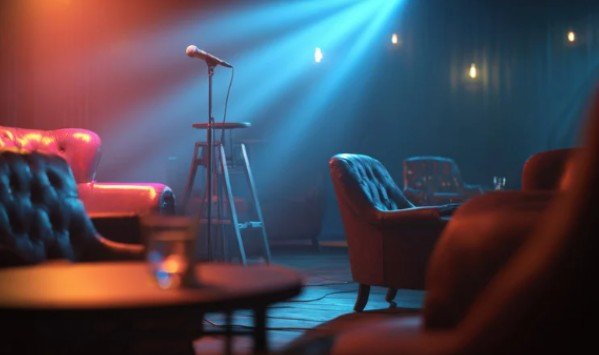
Many independent venues intentionally create opportunities for people who have been overlooked, misrepresented, or made uncomfortable in conventional music spaces. Thoughtful booking, clear conduct policies, accessible facilities, and trained event staff can make participation safer and more welcoming.
However, calling a venue inclusive is not enough. Organizers must prioritize crowd management safety, respond seriously to harassment, communicate accessibility information, maintain safe capacity limits, provide clear exits, and listen to community concerns. Artist freedom and audience safety should reinforce each other.
The Challenges DIY Venues Face
These spaces frequently operate with narrow margins. Rent increases, redevelopment, noise complaints, insurance costs, licensing requirements, equipment repairs, and volunteer burnout can quickly threaten their survival.
Safety must never be sacrificed to keep an event inexpensive. Responsible organizers need appropriate fire precautions, realistic capacity limits, reliable equipment, and plans for emergencies. Building respectful relationships with neighbors can also reduce conflicts that place a venue at risk.
Fans can help by attending shows, purchasing merchandise, donating when possible, respecting venue policies, and promoting events responsibly. If a private location is not publicly advertised, visitors should avoid posting its address without permission.
Frequently Asked Questions
1. How do DIY venues discover underground musicians?
Organizers often find performers through local shows, artist submissions, recommendations, independent releases, social media, and relationships with promoters in other cities.
2. How DIY music venues support underground artists financially?
They may offer door splits, guarantees, donations, merchandise access, meals, equipment, accommodation, or affordable tour dates. Payment structures vary, so artists should confirm the arrangement before performing.
3. Are DIY venues only associated with punk music?
No. Although DIY culture has strong connections to punk, these spaces can host hip-hop, electronic music, folk, metal, experimental work, indie rock, noise, and multidisciplinary performances.
4. What makes a DIY venue different from a regular club?
A DIY venue generally places greater emphasis on community participation, independent booking, artistic freedom, accessible opportunities, and reinvesting resources into the local scene.
Why These Spaces Continue to Matter
When I think about the future of independent music, I see DIY venues as creative infrastructure rather than temporary rooms with small stages. They give emerging musicians the experience, audience, relationships, income opportunities, and freedom required to develop on their own terms.
Their value cannot be measured only by ticket sales. A modest show can begin a collaboration, inspire someone to form a band, connect a touring artist with a new city, or give an overlooked performer the confidence to continue. Protecting these spaces means protecting the conditions in which new music can take risks, find listeners, and grow into something lasting.
Leave a Reply