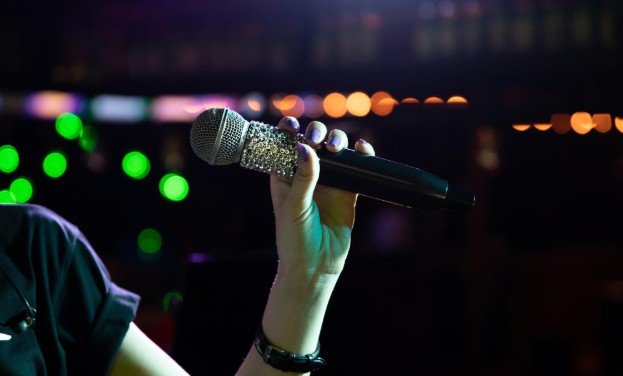
Every musician eventually reaches a point where practicing alone is no longer enough. I may know a song perfectly in my bedroom or rehearsal space, but performing it for unfamiliar listeners reveals things practice cannot. It shows whether the opening captures attention, whether the chorus connects, and whether I can remain composed when something goes wrong.
This is why the role of open mic nights in artist development extends far beyond giving beginners a place to play. These events function as practical training grounds where musicians can develop their sound, confidence, stagecraft, professional habits, and community connections.
Turning Private Practice Into Real Performance Experience
Rehearsal allows musicians to stop, repeat a section, or correct a mistake. A live performance removes those conveniences. Once a song begins, the artist must maintain its momentum even after forgetting a lyric, missing a chord, or experiencing a technical problem.
Open mic nights introduce this pressure in a relatively accessible environment. Sets are generally short, audiences understand that performers have different experience levels, and participation does not usually require an established following. This makes an open mic a useful bridge between private practice and a booked concert.
Repeated performances also make unfamiliar stages feel more manageable. Artists learn how to adjust a microphone, communicate with a sound operator, introduce themselves clearly, and begin without unnecessary delays. These small skills create a more polished impression when larger opportunities arrive.
Building Confidence Through Repetition
Performance confidence rarely appears before an artist steps onstage. It develops through repeated exposure to the experience. The first appearance may feel overwhelming, while the fifth or tenth often feels considerably more natural.
Regular performers become familiar with physical reactions such as trembling hands, shallow breathing, or a racing heartbeat. Rather than waiting for nervousness to disappear, they learn how to perform while experiencing it. That ability becomes especially important during auditions, support slots, festivals, and professional showcases.
Confidence also includes recovering gracefully. Audiences often respond more positively to a performer who continues calmly after a mistake than to someone who stops and apologizes. Open mics give artists a safe place to develop that resilience.
Improving Songs Through Audience Reactions
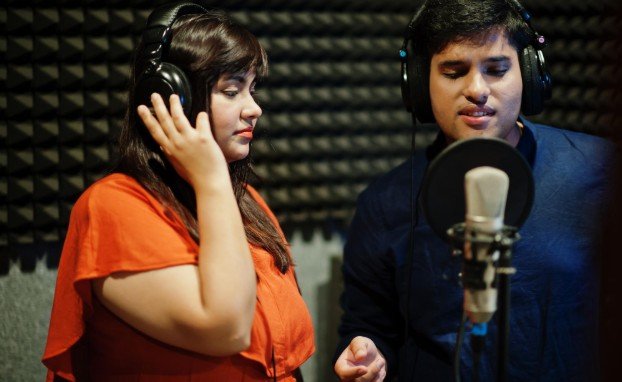
A song can sound complete in rehearsal but feel noticeably different in front of listeners. The room may become attentive during one verse and restless during another. A chorus that seemed powerful at home may need a stronger melody, a shorter buildup, or clearer lyrics.
Audience response should not control every creative decision, but it supplies valuable information. Artists can observe when listeners lean forward, start conversations, applaud enthusiastically, or lose interest. Performing the same song in different venues also helps separate a genuine weakness from the preferences of one particular crowd.
Open mics are especially valuable for testing alternate arrangements. A musician might change a tempo, shorten an introduction, rearrange the set order, or perform a song acoustically. Comparing reactions over several performances can make the revision process more purposeful.
Developing Stage Presence and Communication
Playing the correct notes is only one part of live performance. Artists must also hold attention, communicate personality, and create a sense of connection with the room.
Open mic appearances help musicians experiment with posture, eye contact, movement, facial expression, and song introductions. They can learn how much background information a song needs and how long they can speak before losing momentum. Short sets encourage performers to communicate efficiently.
Artists also become better at reading different environments. A quiet songwriter event may reward subtle storytelling, while a busy venue may require a quicker opening and more direct energy. Learning to adjust without abandoning an artistic identity is an important professional skill.
Discovering an Authentic Artistic Identity
One overlooked benefit of open mics is the opportunity to discover what feels natural onstage. An artist may begin by imitating favorite performers but gradually develop an individual way of speaking, moving, arranging songs, and responding to an audience.
Watching other musicians can also accelerate this development. Performers can notice which techniques create connection and which behaviors feel forced. This is not an invitation to copy another act. It is a chance to understand the many ways a live identity can be presented.
Over time, artists can recognize recurring qualities in their strongest performances. Those qualities may include humor, emotional honesty, rhythmic energy, quiet intensity, or audience participation. As local music scenes develop and grow, performers who consistently strengthen these qualities become more recognizable and memorable within their communities.
Creating Connections Within a Music Community
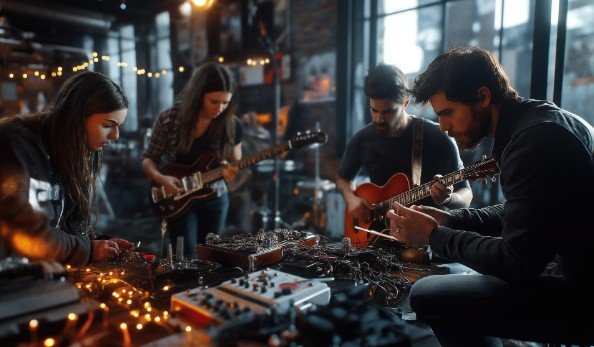
The role of open mic nights in artist development also continues after a performer leaves the stage. These gatherings bring musicians, songwriters, producers, venue employees, event organizers, and dedicated listeners into the same room.
However, useful networking does not mean immediately asking everyone for an opportunity. It begins with supporting other performers, offering specific compliments, thanking the host, and participating in the full event. Musicians who arrive only for their own slot and leave immediately miss much of the community value.
Repeated attendance builds familiarity and trust. A casual conversation may eventually lead to a collaboration, band invitation, recording recommendation, or opening slot. These results are more likely when artists contribute sincerely to the scene instead of treating every interaction as a transaction.
Developing Professional Habits
Open mics teach artists how their behavior affects their reputation. Arriving early, understanding the signup process, preparing equipment, staying focused on music within the allotted time, and respecting other performers all demonstrate reliability.
Musicians also learn to choose appropriate material. Contrasting songs can keep a short set interesting, while repeating the same performance every week may limit development. Rotating material allows artists to test more ideas and gives returning listeners a reason to remain attentive.
Bringing a friend to capture a short video can also help artists review their performance. The recording may reveal rushed speech, poor posture, uneven dynamics, or distracting habits that were impossible to notice from the stage. Appropriate clips can later support social content or booking materials.
Knowing When an Open Mic Is No Longer Helping
Not every event provides the same developmental value. A performer may struggle to learn in a poorly managed room with unsuitable equipment, an indifferent audience, or no respect for original music. Artists should explore different events before deciding that the entire format is ineffective.
Open mics can also become a comfort zone. Once an artist can perform consistently, engage listeners, and manage technical problems, the next step may be a songwriter showcase, support slot, ticketed show, or paid booking.
The goal is not to remain on beginner stages indefinitely. It is to use them intentionally and move forward when they no longer present a meaningful challenge.
Frequently Asked Questions
1. What is the role of open mic nights in artist development?
Open mic nights help artists strengthen performance confidence, test original material, study audience reactions, develop stage presence, form industry relationships, and practice professional behavior in a live environment.
2. How often should a developing artist perform at open mics?
Performing once or twice a month can provide consistent practice without encouraging repetitive sets. The ideal frequency depends on the artist’s goals, available material, and opportunities to apply what was learned.
3. Can an open mic lead to paid performances?
Yes. Hosts, venue staff, and other musicians sometimes recommend reliable performers for showcases or paid events. Artists still need to build relationships, follow up professionally, and demonstrate that they can sustain a longer set.
4. Should artists perform covers or original songs?
That depends on the event’s rules and the artist’s objective. Covers can help develop crowd interaction, while original songs provide better information about artistic identity and audience response to new material.
Final Thoughts
I see open mics as laboratories rather than shortcuts to recognition. They give me room to experiment, make mistakes, study real reactions, and become more comfortable sharing music with people I do not know.
Their value comes from purposeful participation: preparing properly, observing carefully, supporting the community, and applying each lesson to the next performance. Used this way, an open mic can become one of the most practical early steps between writing songs privately and presenting a confident, distinctive live act.
Leave a Reply