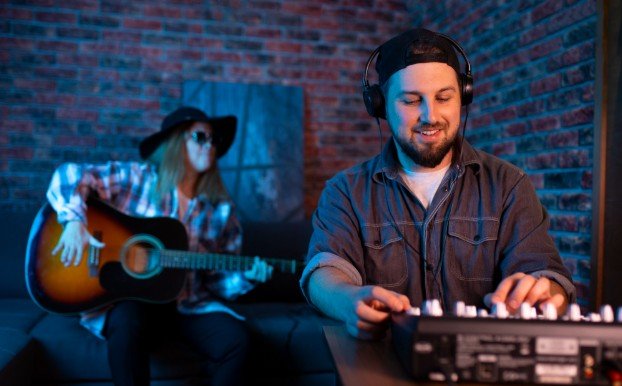
I used to think a live session mattered only while people were watching. But a performance can do much more than fill an evening. It can introduce a song to someone new, show what makes an artist distinctive, and give listeners a reason to return. That is how live sessions help independent artists grow: one performance creates several chances to build a lasting relationship.
A live session might be an online broadcast, a small in-person set, or a recorded performance shared afterward. Each format offers something different. The most effective approach is to choose a format that suits the music, invite the right audience, and make it easy for interested listeners to take the next step.
Live Performances Make Music Easier to Discover
A released track shows listeners the finished song. A live performance gives them another way into it. They can see how an artist delivers a lyric, responds to a bandmate, or changes a familiar arrangement. A short clip of that moment may catch the attention of someone who would never have searched for the original track.
Discovery works better when viewers can identify the artist immediately. A clearly titled video, a visible artist name, and a simple link to the song or artist profile help people find more music after the clip ends. Without that path, even an exciting performance can become a moment viewers enjoy and then forget.
Collaborating with an artist whose music fits the same audience can also introduce both acts to new listeners. The connection is more useful when the performers create something together, such as a shared song or conversation, than when they simply appear in each other’s posts.
Real-Time Interaction Turns Viewers Into Familiar Faces
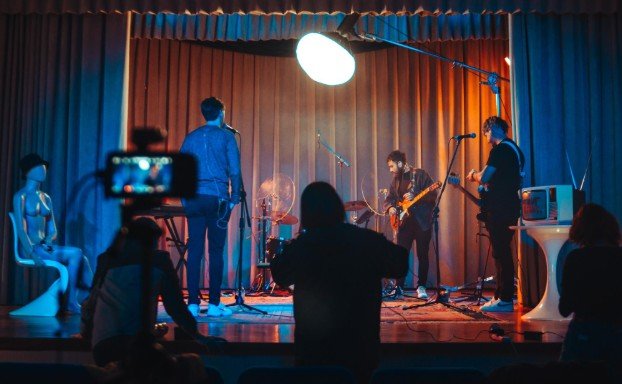
An online session gives fans a chance to ask about a song, request a favorite, or react as it happens. At a small venue, that exchange may occur between songs or after the set. These moments help listeners connect the music with the person making it.
Give the Audience a Role
Interaction does not have to interrupt the performance. As part of the evolution of live music culture, artists have found more ways to bring listeners into the moment. An artist might ask which unreleased song they want to hear, explain the story behind a lyric, or invite a question before the final track. When the response feels natural, people have a reason to stay and participate.
The size of the audience is only part of the picture. Ten viewers who ask questions, return next month, and share a song may be more valuable to an emerging artist than a much larger group that leaves after a few seconds. Remembering familiar viewers and following up on earlier conversations can make a recurring session feel like a community.
Live Sessions Show What an Artist Can Really Do
Recorded music often benefits from careful editing and production. A live set reveals other strengths: vocal delivery, musicianship, chemistry, stage presence, and the ability to hold attention. For an independent artist, a strong performance video can also help a potential collaborator or event organizer understand the act quickly.
That does not mean every session needs an expensive production. Clear sound matters more than an elaborate backdrop. Listeners need to hear the song, see the performer, and understand why this version is worth watching. Testing audio before a broadcast or choosing a quiet place to film can make a modest setup far more effective.
A live arrangement can also reveal which songs connect. If listeners repeatedly ask about one track or react strongly to a particular section, the artist has useful feedback for future performances and releases. One enthusiastic room is a clue, though, rather than proof that a song will succeed everywhere.
One Session Can Keep Working After It Ends
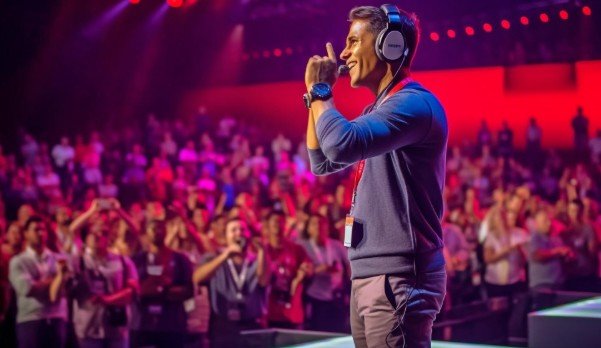
The full performance is only one piece of content. A memorable chorus, a brief explanation of a song, or a lively exchange with the crowd can become a short video. A complete, well-recorded performance can give new listeners a deeper introduction than a few seconds of audio.
The strongest clips make sense on their own. Viewers should be able to tell who is performing and what they are hearing without needing to watch the entire session first. Spacing clips out over the following days also gives the performance a longer life while reminding interested listeners where to find the full song.
Recording requires some planning. Before an in-person set, an artist should check whether filming is permitted and arrange a camera position that captures usable sound. Paying attention to basic music production and engineering can make the recording clearer and more useful. That preparation can turn one performance into material for future releases, event announcements, and booking conversations.
Growth Depends on What Happens Next
A listener who enjoys a session needs a clear next step. The artist could point them toward a released song, an upcoming show, or an email signup for future sessions. One relevant invitation is usually easier to act on than several competing requests.
To see whether sessions are helping, artists can look beyond total views. Returning viewers, thoughtful comments, song saves, signups, and attendance at the next performance reveal more about continued interest. Comparing those signals across several sessions helps an artist decide which songs, formats, and times are worth repeating.
Consistency helps, but a schedule should be realistic. A monthly acoustic set that people anticipate can be more useful than frequent broadcasts an artist cannot sustain. The goal is to give listeners a recognizable experience they want to revisit.
Frequently Asked Questions
1. Can a small live session help an independent artist grow?
Yes. A small session can help an artist practice performing, learn which songs connect, gather usable footage, and build relationships with listeners. Its value depends on what the artist learns and how they follow up, not just the number of people present.
2. Do artists need professional equipment to start?
No. They need a setup that lets the audience hear the performance clearly. Testing sound, lighting, and the recording before the session is a practical starting point.
3. How do live sessions help independent artists grow over time?
They give new listeners a way to discover the music, create direct contact with fans, and produce performances people can revisit or share. Repeated sessions work best when interested viewers can easily find the next song or event.
The Last Note Is a Beginning
I would judge a live session by what happens after the final song. Did someone look up the artist, return for another performance, share a clip, or ask when they can hear more? Those actions show a connection beginning to take shape. When artists make room for discovery, conversation, and a clear next step, even a modest session can contribute to steady growth.
Leave a Reply