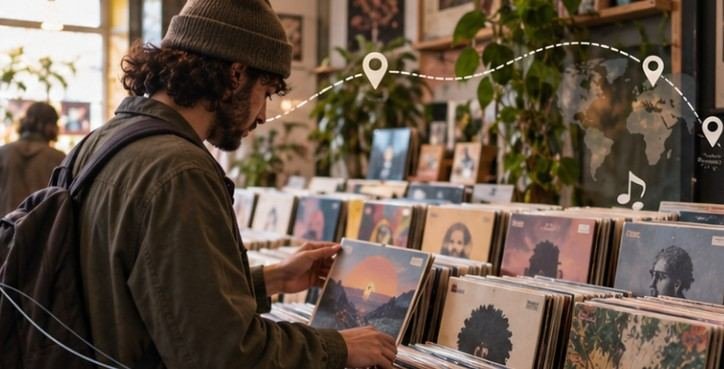
Music discovery has never been easier—and that is partly why finding something genuinely unexpected can feel harder. Streaming services can place millions of songs within reach, but recommendations often grow from music you already play. If you are wondering where to find new independent music, the better strategy is to deliberately step outside that familiar recommendation loop.
Independent radio DJs, small music publications, artist-run platforms, college stations, local venues, record labels, and curated archives can expose you to musicians you would never think to search for.
That matters in the United States, where streaming remains the dominant way people consume recorded music. RIAA data shows streaming generated about $9.47 billion in U.S. wholesale recorded-music revenue in 2025. Convenience is extraordinary, but discovery does not have to begin and end with the biggest streaming apps.
Why Independent Music Can Be Surprisingly Hard to Discover
Independent does not describe one sound. An independent artist might make punk, folk, electronic music, jazz, experimental hip-hop, bedroom pop, Americana, metal, ambient music, or something that does not fit neatly into any genre. The real discovery problem is visibility.
A small artist may release an excellent record without having the promotional budget, playlist relationships, press coverage, touring reach, or existing audience enjoyed by established acts. Searching only for popular playlists can therefore create a distorted picture of what new music actually exists.
The solution is to use several discovery channels because each reveals a different layer of music.
Follow Human Curators Who Still Listen for a Living
One of the easiest ways to escape repetitive recommendations is to replace part of your algorithmic discovery with human judgment.
Indie Shuffle, for example, publishes curated tracks covering independent pop, rock, electronic music, hip-hop, folk, and adjacent sounds.
Music publications can take you further. Stereogum covers releases, songs, albums, interviews, and emerging scenes, while BrooklynVegan combines new music with touring and live-music coverage. Its recent coverage continues to include regular new-song and release roundups.
Aquarium Drunkard takes a different approach. The independent Los Angeles-based publication explores contemporary music alongside psychedelia, jazz, folk, post-punk, dub, avant-garde music, and older recordings.
These sources are valuable precisely because they are different. Do not find one publication that matches your taste perfectly. Find several whose tastes overlap only partially.
Independent and Public Radio Can Break the Recommendation Loop
Radio sounds old-fashioned until you realize what a skilled DJ can do that a recommendation system often cannot: explain why two seemingly unrelated records belong next to each other.
Seattle’s nonprofit independent station KEXP describes music discovery as part of a tradition spanning more than 50 years. Its Live on KEXP archive also contains thousands of performances, giving listeners a way to discover artists through complete sessions instead of isolated singles.
Another fascinating option is WFMU, a listener-supported, noncommercial freeform station serving the New York-New Jersey region and streaming online. WFMU identifies itself as the longest-running freeform radio station in the United States and maintains an extensive online archive.
For editorial discovery, NPR Music’s All Songs Considered has been devoted to music discovery since 2000 and regularly brings public-radio programmers and critics into its new-release conversations.
Use Music Blogs to Discover Scenes, Not Just Songs
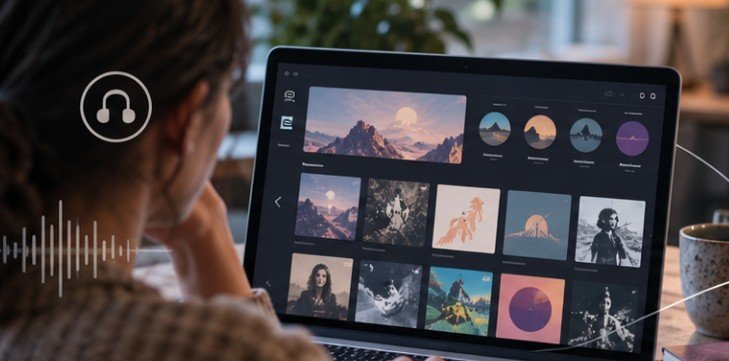
If you are figuring out where to find new independent music, searching for individual tracks is only half the job. Search for scenes.
Suppose you discover a post-punk group from Chicago. Instead of simply playing its most popular song, investigate:
the label releasing the album, bands opening its shows, producers credited on the record, venues where it performs, artists appearing on the same festival bills, and musicians it follows or collaborates with.
This approach converts one discovery into a branching map. A new independent artist rarely exists completely alone. Musicians usually belong to overlapping communities of venues, promoters, labels, producers, writers, photographers, DJs, and other artists.
A Simple 20-Minute Independent Music Discovery Routine
Instead of scrolling endlessly, use a repeatable system.
| Time | Action | Goal |
| 5 minutes | Browse Bandcamp by genre or location | Find three unfamiliar artists |
| 5 minutes | Check a music publication | Add two editorial recommendations |
| 5 minutes | Listen to independent/public radio | Find something outside your usual genre |
| 5 minutes | Follow labels, collaborators and venues | Turn one artist into a discovery trail |
Save only tracks you genuinely want to hear again. After several weeks, patterns will emerge: particular labels, cities, DJs, publications, producers, or venues may consistently lead you toward music you like. Those patterns become your personal discovery network.
Look Beyond New Releases
“New music” does not necessarily mean music released this month. An album from 1983 can be completely new to you, and exploring archival recordings can reveal the influences behind today’s independent scenes.
The Library of Congress holds millions of sound recordings covering music, radio, spoken word, traditional recordings, and other material extending back to the late nineteenth century. Its National Jukebox also offers public access to thousands of historical recordings.
For folk, traditional, regional, and culturally rooted music, Smithsonian Folkways Recordings offers another remarkable path. Smithsonian Folkways is the Smithsonian Institution’s nonprofit record label and maintains recordings intended to document musical and cultural diversity. Its catalog includes more than 4,000 titles and 65,000 tracks across its family of labels.
Do Not Ignore Local Shows and College Radio
Some artists become interesting online only after a scene has already embraced them locally.
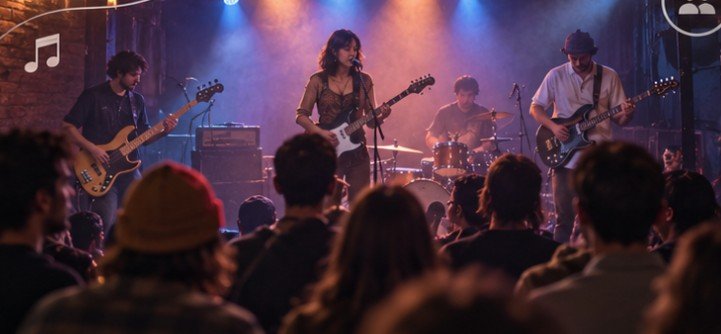
Check independent venues, record stores, university radio schedules , community festivals, small promoters, opening acts, and local music calendars. If you like a headliner, arrive early enough to hear the support bands.
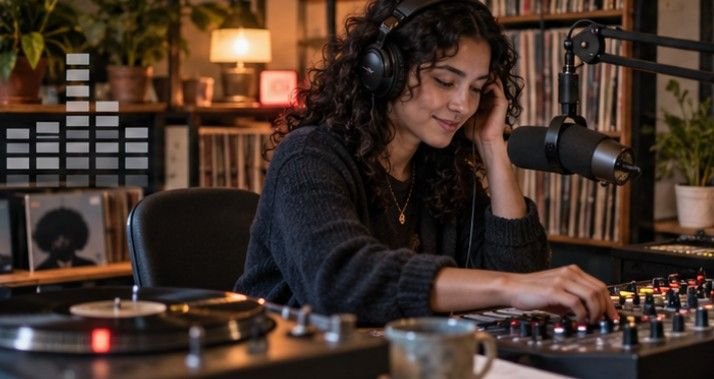
College and community radio can be especially effective because DJs may have greater freedom to explore regional musicians, experimental releases, small labels, and records outside commercial programming formats.
The artist you discover opening a 150-capacity club tonight may be the artist appearing across everyone’s recommendation feed two years later.
Frequently Asked Questions
1. What is the easiest place to discover independent artists?
Bandcamp is a strong starting point because you can browse genres, labels, locations, new releases, and related artists instead of depending only on personalized recommendations.
2. How can I discover indie music without Spotify?
Try Bandcamp, independent radio, college stations, music blogs, local venues, record stores, artist newsletters, independent labels, and curated resources such as KEXP or NPR Music.
3. Where can I find underground artists before they become popular?
Follow small labels, local venues, opening acts, Bandcamp releases, independent radio DJs, regional music publications, promoters, and artists who regularly collaborate with musicians you already enjoy.
4. Is independent music the same as indie rock?
No. Independent music describes how music is created, released, financed, or distributed rather than one specific genre. Independent musicians work across rock, hip-hop, jazz, folk, electronic music, metal, pop, and many other styles.
Build a Discovery Habit, Not Another Feed
The most interesting answer to where to find new independent music is not one website. It is a network of people and places that repeatedly expose you to something unfamiliar.
Spend one week browsing Bandcamp. Listen to a KEXP session the next. Follow an independent label, read a critic whose taste challenges yours, check who is opening at a neighborhood venue, or explore an obscure Smithsonian recording.
Streaming made almost everything available. The remaining skill is knowing how to wander through that abundance deliberately. The best discoveries often begin when you stop asking an algorithm for more of what you already know.
Leave a Reply