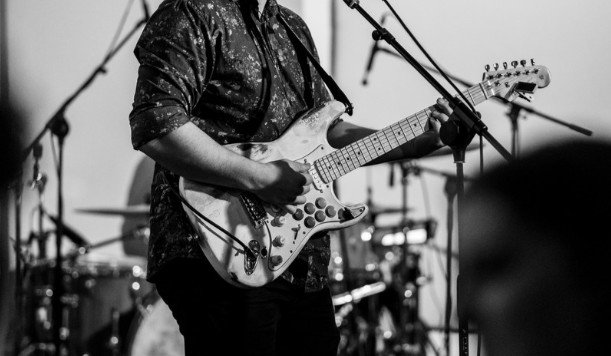
I used to imagine soundcheck as a short rehearsal in which musicians played a few songs before the doors opened. In reality, it is a carefully controlled technical process involving performers, stage technicians, and audio engineers. Every microphone, cable, speaker, instrument, and monitor must work together before the audience arrives.
Understanding what happens during a live soundcheck reveals why artists sometimes repeat one note, sing the same line several times, or stop in the middle of a song. They are not practicing the performance. They are helping the sound crew create a clear, balanced, and reliable listening experience.
The Stage Is Prepared Before the Band Plays
Soundcheck begins before most performers make a sound. Stage technicians position microphones, connect instrument cables, arrange amplifiers, prepare direct boxes, and place floor monitors. They also follow the artist’s stage plot and input list, which show where each performer and piece of equipment should be located.
At larger concerts, the touring crew may work with the venue’s resident technicians. They verify that the installed setup matches the artist’s technical rider. Wireless microphones, in-ear monitors, playback systems, effects, and communication equipment must also be prepared.
The front-of-house engineer then checks the main speaker system. Front of house, commonly abbreviated as FOH, is the mixing position located in the audience area. This is where the engineer controls the sound that concertgoers eventually hear.
Every Connection Receives a Line Check
A line check confirms that each audio source reaches the correct mixer channel. The engineer or stage technician may tap a microphone, play an instrument, or speak into each input while watching the console’s signal meters.
This process helps identify disconnected cables, muted channels, faulty equipment, routing mistakes, and wireless interference. It is different from a complete soundcheck because its purpose is simply to verify signal flow.
The crew normally follows a consistent input order. A typical sequence may begin with the kick drum and continue through the remaining drums, bass, guitars, keyboards, playback tracks, and vocals. A methodical order prevents confusion and makes problems easier to isolate.
Input Gain and Tone Are Adjusted

Once every signal is working, musicians play individually at realistic performance intensity. The engineer sets input gain so each source is strong enough to mix without distortion. If a musician performs quietly during soundcheck but much louder during the show, the signal could overload the system later.
Equalization, or EQ, is used to improve clarity and reduce troublesome frequencies. The engineer might remove low-frequency rumble from a vocal microphone, control harshness in a EQ guitar, or shape a drum so that it fits the full mix.
Compression may be applied to control major volume changes. However, soundcheck is not about making every instrument sound perfect by itself. The goal is to make the individual sources work together when the whole band plays.
Performers Build Their Monitor Mixes
Musicians need to hear themselves and one another onstage. They receive this sound through wedge-shaped floor monitors or in-ear monitors. Each performer may require a different mix.
A vocalist might request more voice and keyboard, while a bassist may depend heavily on the kick drum. The drummer could need vocals, bass, and a click track. These personalized mixes help performers stay in tune, maintain timing, and follow musical cues.
Artists often communicate changes using short requests or hand signals. The engineer raises or lowers the requested source without unnecessarily changing everything else. Excessive monitor volume can create feedback and make the audience mix less clear, so engineers try to provide definition without overwhelming the stage.
The Band Plays Representative Song Sections
After individual sources and monitors are prepared, the musicians play together. They rarely need to perform an entire set. Instead, they select sections that expose the show’s most demanding moments.
At this stage, the FOH engineer balances vocals and instruments from the audience area. The engineer checks whether lead elements remain understandable, the bass and kick drum work together, stereo sources translate across the room, and the system retains enough headroom for louder moments.
Feedback and Technical Problems Are Tested

Feedback occurs when a microphone captures amplified sound from a speaker and sends it through the system repeatedly. It may produce a sharp squeal or a low, growing rumble.
Engineers reduce this risk through microphone placement, controlled gain, monitor positioning, and careful EQ. They may gradually raise monitor levels to identify unstable frequencies and reduce them before the performance begins.
Soundcheck is also used to test alternate instruments, guitar pedals, vocal effects, wireless packs, backing tracks, click tracks, talkback microphones, and show cues. If a performer changes guitars during the set, both instruments should be checked because their output levels may differ.
Final Settings Are Saved and Documented
Digital mixing consoles allow engineers to save the approved settings as a scene. This can preserve channel names, routing, effects, levels, and other parameters. Saving the scene is particularly useful when several artists share a venue or festival stage.
The crew also records equipment substitutions, unresolved faults, and backup plans. A saved file cannot replace clear communication, so everyone should know which setup is current and what must be checked again before showtime.
The empty venue will sound different after people enter. An audience absorbs sound and changes the acoustic behavior of the room. For that reason, the FOH engineer normally makes smaller adjustments during the opening song.
How Long Does a Soundcheck Take?
There is no universal duration. A solo performer using one microphone may finish quickly, while a touring band with multiple monitor mixes, wireless channels, and playback equipment may require considerably longer.
Festival schedules can be especially tight. Headlining artists may receive a full soundcheck earlier in the day, while supporting performers receive a shorter changeover and line check. Preparation, an accurate technical rider, and focused communication help everyone use the available time effectively.
Frequently Asked Questions
1. What happens during a live soundcheck before doors open?
Technicians verify equipment and connections, engineers set gain and EQ, performers adjust their monitor mixes, and the full band plays representative sections so the audience mix can be balanced.
2. Is soundcheck the same as rehearsal?
No. A rehearsal focuses on musical performance, arrangements, and mistakes. Soundcheck focuses on audio equipment, levels, monitoring, clarity, and technical reliability.
3. Why do singers repeat the same words?
Repeating a familiar phrase gives the engineer a consistent signal for adjusting gain, tone, compression, effects, and monitor levels.
4. Can fans attend a soundcheck?
Some artists offer VIP soundcheck experiences. Guests may watch several songs or shortened versions, but the event remains a working technical session rather than a private concert.
The Final Mix
When I hear a polished concert mix now, I think about the quiet preparation that happened hours earlier. The repeated drum hits, microphone tests, hand signals, and short song sections all serve a specific purpose.
Knowing what happens during a live soundcheck makes the finished performance even more impressive. It is the moment when technical precision and artistic intention meet, giving performers the confidence to play and helping every listener hear the music as clearly as possible.
Leave a Reply