Blog

  • The Cultural Impact of Music Festivals Beyond the Stage

    The Cultural Impact of Music Festivals Beyond the Stage

    When I picture a music festival, I do not think only about stages, crowded fields or a weekend of performances. I see a temporary world where people discover artists, express different sides of themselves and connect through a shared experience. The cultural impact of music festivals reaches far beyond the final performance, influencing identity, fashion, creativity, local communities and even how people understand one another.

    Festivals can introduce audiences to unfamiliar sounds and traditions while giving artists space to experiment. At the same time, they can create problems involving commercialization, exclusion, environmental damage and cultural appropriation. Understanding both sides reveals why these events occupy such a powerful place in modern culture.

    Festivals Create Temporary Communities

    A festival brings strangers together around a shared interest. Attendees sing the same lyrics, react to the same performances and move through the same physical environment. These synchronized experiences can produce an unusually strong feeling of connection.

    That connection does not necessarily end when attendees return home. People maintain festival friendships, join online fan groups and reunite at later events. Annual festivals can develop their own customs, symbols and expectations, giving regular attendees a sense of membership.

    However, these communities are not automatically open to everyone. High ticket prices in concerts, travel expenses, inaccessible venues and safety concerns can prevent some people from participating. A festival may advertise unity while remaining available mainly to audiences with sufficient money, mobility and free time.

    Music Festivals Shape Personal Identity

    Festivals allow people to explore who they are outside their ordinary routines. Clothing, dancing and participation in a particular music scene can communicate personal tastes and social identity.

    A person attending a punk, jazz, folk, electronic or heavy-metal festival is not simply consuming music. They may be affirming membership in a wider culture with its own values, visual language and history. The temporary freedom of a festival can help attendees become more confident about interests they suppress in everyday settings.

    Collective emotion strengthens this experience. When thousands of people respond to a song together, an individual memory becomes part of a larger cultural moment. Choosing to support independent music venues helps preserve the spaces where these shared experiences begin, which is one reason certain performances remain meaningful long after the event has ended.

    Festivals Help Artists and Genres Reach New Audiences

    Festivals Help Artists and Genres Reach New Audiences

    Festival programming can introduce listeners to performers they would never have searched for independently. Someone waiting for a headliner may encounter an emerging artist, regional tradition or unfamiliar genre on another stage.

    This discovery benefits musicians by expanding their audiences and creating opportunities for collaborations. It can also help niche genres move into mainstream awareness. When festivals place different styles beside one another, they encourage musical exchange and challenge listeners to move beyond familiar playlists.

    Programming decisions nevertheless carry cultural power. Organizers determine which artists receive prominent stages, favorable schedules and marketing attention. Repetitive lineups can reinforce existing industry hierarchies, while adventurous programming can create space for independent performers and overlooked traditions.

    Fashion and Art Extend the Festival Experience

    Music festivals have become influential visual environments. Clothing, makeup, stage design, photography, installations and performance art all contribute to the atmosphere. Styles seen at major events can spread rapidly through social media and influence broader fashion trends.

    These events can encourage creative self-expression, but their visual culture can also become commercialized. Brands may transform an organic style into a seasonal marketing campaign, while attendees may feel pressured to dress for photographs rather than comfort or personal meaning.

    Cultural appropriation is another concern. Sacred symbols, traditional clothing and Indigenous designs can be removed from their original context and treated as costumes. Responsible festival culture requires understanding the difference between respectful cultural exchange and using another community’s identity as decoration.

    Local Communities Experience Lasting Effects

    Host communities may benefit from visitor spending, temporary employment and increased attention. Hotels, restaurants, transportation providers, vendors and local artists can gain new customers. Smaller festivals may also strengthen regional pride by celebrating local history, food, music and craftsmanship.

    The cultural value can extend beyond the event. Some organizers support arts education, rehearsal facilities, public installations or year-round community programs. A successful festival may change how outsiders view a town and how residents perceive their own cultural identity.

    The costs are equally important. Noise, traffic, waste, rising prices and crowded public services can strain relationships with residents. Communities may feel that their neighborhoods are being packaged for visitors without providing local people with a meaningful role in planning. Lasting cultural value is more likely when residents, artists and businesses are treated as partners instead of scenery.

    Commercialization Can Change Festival Culture

    Commercialization Can Change Festival Culture

    Many festivals developed from grassroots scenes, community gatherings or artistic movements. As events grow, sponsorships and corporate investment can provide better infrastructure, professional production and financial stability.

    Commercial growth can also weaken what made an event distinctive. Similar headliners, branded spaces and premium access areas may create an experience that feels manufactured. When financial priorities dominate programming, festivals risk becoming interchangeable entertainment products rather than genuine expressions of a musical community.

    Artist-curated and independent festivals offer an alternative by building events around a particular creative vision. These models can support experimentation, although they often face significant financial risks and have fewer resources than corporate-backed competitors.

    Environmental Values Are Part of Festival Culture

    Festivals can promote environmental awareness through reusable containers, public transportation, waste sorting and responsible campsite policies. Because attendees participate in a shared temporary environment, sustainable behavior can become part of the event’s identity.

    Yet large gatherings consume energy, generate waste and produce transportation emissions. Environmental messaging has limited value when it is not supported by measurable action. Organizers need practical systems, transparent goals and cooperation from attendees, vendors and performers.

    Frequently Asked Questions

    1. What is the cultural impact of music festivals?

    It includes the ways festivals influence community, identity, artist discovery, fashion, tourism, social values and the use of public space. These effects may be positive or negative depending on how an event is planned.

    2. How do festivals bring people together?

    Shared music, movement and emotion can create a temporary sense of belonging. Repeated attendance and online interaction may turn that connection into a longer-lasting community.

    3. Do festivals help emerging musicians?

    They can expose performers to larger and more varied audiences. Their value depends on fair scheduling, suitable stages and meaningful opportunities beyond a brief appearance.

    4. Can music festivals harm local culture?

    Yes. Poorly managed events can cause disruption, exclude residents, commercialize local traditions or place pressure on infrastructure. Community participation can reduce these risks.

    5. Why is diversity important in festival programming?

    Diverse programming gives audiences access to more perspectives and distributes cultural visibility more fairly. It can also prevent festivals from relying on predictable, repetitive lineups.

    Final Thoughts

    I believe music festivals matter because they transform listening into participation. They allow people to explore identity, encounter unfamiliar art and feel connected to something larger than themselves. Their most meaningful influence appears when that energy continues through new friendships, creative opportunities and stronger local cultural life.

    However, celebration should not prevent critical thinking. Festivals must consider who is represented, who can attend, how residents are affected and whether environmental promises produce real improvements. When organizers balance artistic ambition with inclusion and responsibility, a temporary gathering can leave a valuable legacy long after the stages disappear.


  • How Concert Audiences Influence a Performance

    How Concert Audiences Influence a Performance

    Whenever I attend a live concert, I notice that the musicians are not simply reproducing songs exactly as they were recorded. They are reading the room, responding to movement, and adjusting to the emotional atmosphere around them. 

    This helps explain how concert audiences influence a performance through an ongoing exchange of attention, energy, sound, and body language. A responsive crowd can inspire musicians to perform with greater intensity, while a distracted or disruptive audience can weaken concentration and change the direction of the show.

    A Concert Is a Two-Way Experience

    Live music may appear to move in only one direction, from the stage to the listeners, but the interaction is reciprocal. Performers send music and emotion into the room, while listeners answer with applause, silence, movement, singing, facial expressions, and other visible reactions.

    Musicians interpret these signals as immediate feedback. When people dance, lean forward, or sing enthusiastically, performers can recognize that a song is connecting. This real-time exchange also contributes to the cultural impact of music festivals, where collective audience reactions can shape memorable performances. When listeners appear distracted or begin talking, musicians may sense that attention is fading.

    Unlike studio recording, live performance unfolds without a reset button. Performers must make decisions while observing the audience, which helps make every concert different—even when the setlist remains unchanged.

    Crowd Energy Can Intensify the Music

    “Crowd energy” may sound abstract, but it produces observable changes. Musicians commonly play with stronger gestures, more expressive movements, or greater dynamic contrast when listeners are engaged.

    Research comparing rehearsals with public performances has found that musicians may intensify both movement and musical expression in front of an audience. Faster, dance-like pieces can become slightly quicker, while slower and more flexible pieces may be given additional space. These changes do not necessarily happen consciously. They can emerge from the heightened attention created by the event.

    A lively crowd can also encourage performers to hold a final note longer, repeat a chorus, extend an instrumental break, or increase the dramatic contrast between quiet and loud passages.

    The Psychology of Performing in Front of Others

    The Psychology of Performing in Front of Others

    The presence of other people increases psychological and physical arousal. This effect is often explained through social facilitation, the idea that being observed can improve a familiar or well-practiced activity.

    An experienced musician playing well-rehearsed material may become more focused in front of listeners. The performer has a reason to communicate where the gesturing is important, take expressive risks, and bring familiar songs to life. Some performances recorded in front of audiences have even received more favorable listener evaluations than versions recorded without an audience.

    However, increased arousal does not always help. Complicated material, unfamiliar arrangements, or intense expectations can turn excitement into performance anxiety. A musician may rush, lose concentration, tighten physically, or become overly cautious. Audience presence can therefore strengthen confident performance while placing additional pressure on difficult tasks.

    Applause and Silence Both Communicate

    Applause tells performers that a moment has succeeded, but silence can be equally meaningful. During intimate acoustic music, classical performances, or emotionally delicate songs, attentive silence shows that listeners are absorbed.

    The meaning of a reaction depends on its timing and context. Loud cheering may energize a rock show but interrupt a quiet transition. Silence can signal deep concentration in one venue and disinterest in another. Experienced performers learn to distinguish attentive stillness from emotional distance.

    Applause also influences pacing. A strong response may cause musicians to pause longer, acknowledge the crowd, introduce another song, or return for an encore. A brief reaction can encourage them to move quickly into the next part of the show.

    Participation Can Change the Direction of a Show

    Singing, dancing, clapping, and call-and-response sections allow listeners to become active contributors. When participation is enthusiastic, an artist may extend a chorus, reduce the instrumental volume so voices can be heard, or invite another response.

    Improvisational musicians are especially sensitive to real-time reactions. Applause after a solo can encourage experimentation during the next one. A receptive audience may give performers the confidence to stretch a section, explore unfamiliar ideas, or depart from the original arrangement.

    Crowd response can even influence a setlist. Although many major productions follow tightly planned sequences, performers sometimes add a request, change the order, or replace a song when they sense that the room needs a different emotional direction.

    Venue Size Shapes the Connection

    Venue Size Shapes the Connection

    A small venue creates a direct relationship between musicians and listeners. Performers can see facial expressions, hear individual comments, and recognize subtle changes in attention. This intimacy can encourage storytelling, improvisation, and informal interaction.

    In an arena or festival setting, individual reactions merge into a collective signal. Large-scale singing, synchronized movement, phone lights, and powerful cheering can produce an enormous emotional response. The communication becomes less personal but more physically overwhelming.

    Room design also matters. Distance from the stage, lighting, sound quality, seating arrangements, and visibility can either strengthen or weaken the feedback loop. A smaller crowd close to the performers can sometimes feel more responsive than a larger audience spread across an unsuitable space.

    Different Genres Create Different Audience Roles

    Audience behavior is guided partly by musical tradition. Jazz listeners may applaud after individual solos, encouraging musicians while the piece continues. Pop audiences often sing familiar lyrics and participate in choreographed responses. Rock crowds may express enthusiasm through dancing, jumping, or physical movement.

    Classical listeners generally communicate through silence during a piece and applause after it finishes. This does not make them passive. Their concentration creates the focused environment that performers need.

    When Audience Behavior Damages the Performance

    Participation becomes harmful when it ignores performers’ boundaries or other listeners’ safety. Throwing objects, using disruptive flash photography, shouting during quiet passages, pushing through crowds, or attempting to start personal conversations can break concentration and create physical danger.

    Excessive phone use can also affect the atmosphere. Recording a short memory is different from watching an entire performance through a screen or blocking someone else’s view. When large portions of a crowd appear disengaged, musicians may receive less useful emotional feedback.

    Supportive audiences participate without trying to take control. They respond to invitations, respect quiet moments, follow venue rules, and remain aware that everyone shares the experience.

    Frequently Asked Questions

    1. How do audiences affect a musician’s confidence?

    Visible engagement can reassure musicians that their performance is connecting. Limited response may create uncertainty, although experienced artists understand that quiet audiences are not necessarily uninterested.

    2. Why do musicians perform songs differently in concert?

    Artists may change tempo, dynamics, phrasing, arrangements, solos, and transitions to suit the venue and audience response. Live performance also allows room for spontaneity that studio recordings cannot reproduce.

    3. How concert audiences influence a performance differently across genres?

    Audience influence follows the conventions of each genre. Jazz encourages reactions to improvisation, pop invites singing, rock welcomes physical energy, and classical music often depends on focused silence.

    4. Can a quiet crowd improve a concert?

    Yes. Attentive silence can help performers concentrate and communicate subtle musical details. The important distinction is between absorbed silence and distracted disengagement.

    The Final Note

    I see a memorable concert as something musicians and listeners build together. The artist provides the preparation, skill, and creative direction, but the audience supplies a living emotional context. Its applause, silence, movement, restraint, and participation can shape tempo, confidence, improvisation, intensity, and even the songs that get played.

    Listeners do not need to be constantly loud to contribute. They simply need to be present, responsive, and respectful. When that connection works, a familiar song stops feeling like a reproduction and becomes a moment that could only have happened in that room.

  • How to Submit Music to Independent Radio Stations

    How to Submit Music to Independent Radio Stations

    Landing airplay on non-commercial and college radio changed my music career. When I first learned how to submit music to independent radio stations, I wasted months sending blind blasts to generic addresses. Those emails ended up deleted unread. 

    Once I revamped my strategy to target curated, local shows with broadcast-ready assets, our tracks earned recurring spins across 34 stations nationwide.

    Independent stations remain pure discovery hubs. Their music directors run on taste rather than corporate mandates, giving emerging artists an authentic launchpad.

          [48-Hour Station Audit]

                      │

                      ▼

           [Broadcast-Ready Vault]

           (WAV / 320k MP3 / Clean / One-Sheet)

                      │

                      ▼

           [Zero-Friction Pitch]

           (Stream Link + Asset Folder)

                      │

                      ▼

           [Spin Tracking & Follow-Up]

    The 48-Hour Station Audit: Finding Shows That Actually Spin Your Sound

    The 48-Hour Station Audit: Finding Shows That Actually Spin Your Sound

    Curators spot shotgun spam immediately. My first rule is simple: never pitch a station until you run a two-day audit of their active programming schedule.

    Reverse-Engineering Indie Artist Airplay

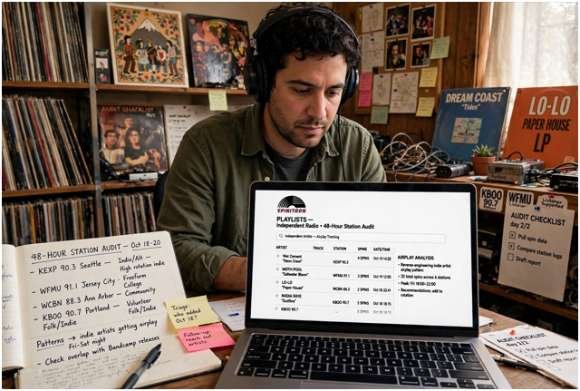
    Start by tracking five independent artists in your sub-genre who sit just one tier above you. Inspect their social tags and radio charts to see which regional stations feature them. I catalog weekly programming blocks on community and college stations, cross-referencing playlists on platforms like Spinitron.

    This research reveals which specific shows highlight your exact sub-genre, saving you from pitching an acoustic track to a midnight electronic segment. If your catalog also targets micro sync licensing opportunities, focus on shows that syndicate nationally.

    Sifting Decision-Makers from Generic Inboxes

    Avoid pitching to generic addresses like info@ or contact@. Review the station directory to identify the Music Director (MD) or the host running the specialty show. Music directors handle daytime rotation, but volunteer DJs curate their own evening specialty hours. Pitching the individual host guarantees your audio reaches the person queuing the board.

    +——————–+————————+————————–+

    | Role               | Typical Programming    | Submission Target Focus  |

    +——————–+————————+————————–+

    | Music Director     | General Rotation       | Broad album/EP releases  |

    | Specialty Show DJ  | Genre-Specific Blocks  | Singles matching niche   |

    | Program Director   | Station Format / Clock | Station-wide syndication |

    +——————–+————————+————————–+

    Building a Broadcast-Ready Radio Asset Vault

    Building a Broadcast-Ready Radio Asset Vault

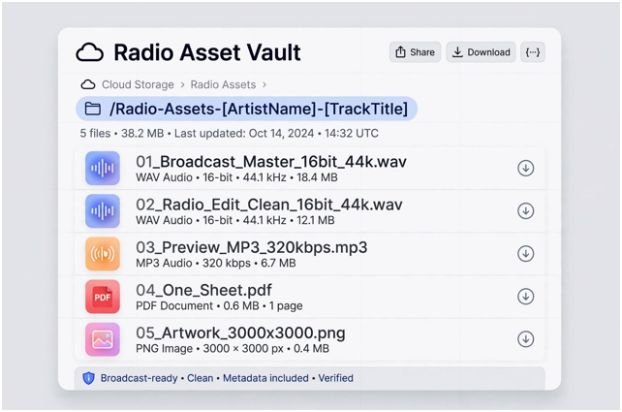
    Radio stations operate under strict delivery requirements. When an MD likes your track, they need to air it immediately without emailing you back for technical fixes. Keep all your deliverables inside a clean cloud folder, ensuring public view permissions remain active.

    /Radio-Assets-[ArtistName]-[TrackTitle]

    │

    ├── 01_Broadcast_Master_16bit_44k.wav

    ├── 02_Radio_Edit_Clean_16bit_44k.wav

    ├── 03_Preview_MP3_320kbps.mp3

    ├── 04_One_Sheet_[ArtistName].pdf

    └── 05_Artwork_3000x3000_HiRes.jpg

    Mastering the FCC-Compliant Clean Edit

    US broadcast transmitters answer directly to the Federal Communications Commission regarding profane and indecent material. Never assume non-commercial stations can bypass daytime decency standards. If your original mix contains explicit language, create an edited version using volume mutes or reversed syllables. Label the filename clearly as Radio Edit – Clean.

    ID3 Metadata and ISRC Tagging Architecture

    Stations automate their digital playout software, which reads track info directly from file tags. Incomplete tags cause files to show up as “Unknown Artist,” leading directors to discard them. Before uploading your MP3s and broadcast WAVs, write exhaustive metadata using tagging tools:

    • Artist Name and Feature Credits
    • Release Title and Track Number
    • Clean/Explicit Status
    • Contact Email and Primary Website
    • International Standard Recording Code (ISRC) assigned via the official US ISRC Agency

    Embedding your ISRC guarantees accurate tracking with performance rights organizations when your spin registers on station logs.

    Structuring the Single-Page Radio One-Sheet

    A one-sheet acts as your release résumé. Station programmers receive hundreds of releases every week and do not have time to read multi-page biographies. Format a one-page PDF containing:

    1. High-resolution album artwork and release date.
    2. A concise 80-word artist biography highlighting your sonic signature.
    3. Three distinct “Recommended If You Like” (RIYL) reference artists.
    4. Focus tracks with explicit running times, beats per minute (BPM), and intro countdown lengths.
    5. Direct links out to your socials and active fan platforms for independent music sales.

    Industry guidelines from the National Association of Broadcasters emphasize clear, instant technical clarity on promotional literature.

    Crafting the Zero-Friction Pitch Email

    Crafting the Zero-Friction Pitch Email

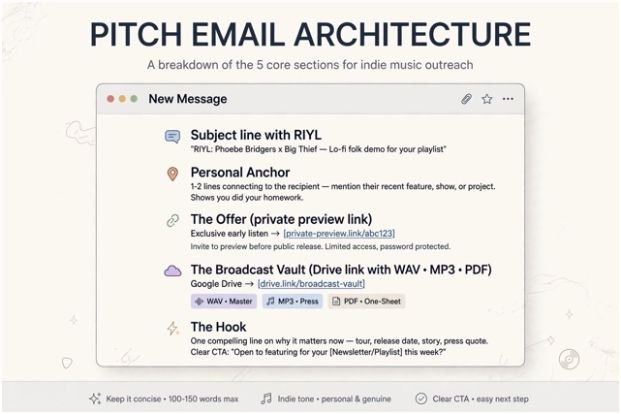
    My open and response rates jumped past 40% when I cut my pitch copy down to three short paragraphs. Treat their inbox with respect. Never attach raw audio files, which trigger spam filters and overwhelm corporate storage limits.

                                  PITCH EMAIL ARCHITECTURE

    ┌────────────────────────────────────────────────────────────────────────────┐

    │ Subject: Music Submission: [Artist] – “[Song]” (RIYL: [Artist A, B])       │

    ├────────────────────────────────────────────────────────────────────────────┤

    │ [Personal Anchor]: “Loved your recent set spinning [Recent Track]…”      │

    │ [The Offer]: Direct, private preview link (SoundCloud / DISCO)             │

    │ [The Broadcast Vault]: Google Drive / Dropbox link with WAV, MP3 & PDF     │

    │ [The Hook]: Key achievement, focus track timing, and clean edit flag       │

    └────────────────────────────────────────────────────────────────────────────┘

    Real-World Pitch Teardown

    Subject: Music Submission: The Static Pines – “Northern Sky” (RIYL: Wilco, War On Drugs)

    Hi Sarah,

    I loved your recent Sunday acoustic block on KXCI, especially your set featuring Skullcrusher. Your focus on layered Americana songwriting prompted me to send our latest single.

    I front The Static Pines, an indie-folk project based in Flagstaff. Our new single, “Northern Sky” (out October 14), fits the atmosphere of your evening rotation.

    • Stream the track: [Private Streaming Link]
    • Download Broadcast Assets: [Dropbox Folder with 16-Bit WAV, MP3, Clean Radio Edit, One-Sheet]

    “Northern Sky” runs 3:28 with an intro clock of 0:14, making it easy to talk over before the vocal hits. The song recently passed 50k independent streams with editorial support on Bandcamp.

    Thanks for your time and for championing independent artists.

    Best,

    Marcus Cole

    Phone: (555) 019-2834 | Website: thestaticpines.com

    Notice how this structure provides every critical programming detail without requiring a single follow-up question.

    Post-Submission Tracking and the Graceful Follow-Up

    Track every submission inside a centralized spreadsheet. Log the station call sign, market location, contact name, date sent, and private stream link analytics.

    Check your streaming link analytics to see if the recipient listened to your track. If seven business days pass without a reply, send a polite follow-up directly within the original email thread:

    “Hi Sarah, checking in quickly on ‘Northern Sky’ for your Sunday rotation. Let me know if you need physical CDs or alternate file masters. Thanks again for your time!”

    If you receive no response to your follow-up, mark the entry as passed and move forward. Station programmers rotate selections rapidly, and aggressive persistence burns professional bridges.

    Frequently Asked Questions

    1. What audio format do independent radio stations prefer?

    Stations prefer uncompressed 16-bit / 44.1 kHz WAV files alongside tagged 320 kbps MP3 files for quick auditioning.

    2. Should I send physical CDs or digital files to radio stations?

    Check the station submission page directly; while most programmers prefer digital cloud links, some traditional stations still mandate physical mailers.

    3. How far in advance should I submit music before my release date?

    Send your pitch three to four weeks prior to your official release date so music directors have adequate lead time to program their logs.

    4. Do independent radio stations pay performance royalties?

    Yes, licensed terrestrial and internet stations submit playlist logs to PROs like ASCAP, BMI, and SESAC to distribute performance royalties.

    Drop the Needle, Own Your Airwaves

    Independent radio remains one of the few places where raw talent beats deep marketing budgets. Treat every station pitch like a creative partnership rather than a cold call. Organize your broadcast files, respect FCC regulations, and send concise emails that respect the curator’s schedule. Pick five target stations this afternoon, run your 48-hour audit, and submit your strongest single.

  • Modern Songwriting Techniques for Alternative and Indie Artists That Actually Work

    Modern Songwriting Techniques for Alternative and Indie Artists That Actually Work

    I have noticed that some alternative and indie songs I return to rarely feel built from a perfect template. What feels memorable is often a decision to do something slightly different while still giving the listener an emotional thread.

    I also find modern songwriting more interesting when writing and production overlap. A guitar loop can suggest a lyric, a drum pattern can change a vocal phrase, and an accidental sound can become part of a track’s identity. Strong ideas often come from following those accidents, then editing them until they feel intentional.

    Start With a Strong Idea, Not a Complete Song

    A useful starting point can be smaller than a verse and chorus. Begin with a phrase, image, riff, rhythm, chord movement, vocal melody, or sound that creates a reaction.

    Alternative songwriting can benefit from leaving some questions unanswered. Give listeners a detail that suggests what happened. A specific room, object, gesture, or line of dialogue can carry more personality than explanation.

    Make Lyrics Specific Without Making Them Predictable

    Make Lyrics Specific Without Making Them Predictable

    Generic emotional language can make a song feel interchangeable. Specific details create a clearer world. Object writing is one practical exercise: choose an ordinary object and describe it through sight, sound, smell, taste, touch, bodily sensation, and movement. It can uncover less obvious images.

    This is where why emotionally specific lyrics connect with modern listeners becomes useful. A lyric can be personal without becoming explanatory. Instead of saying someone feels lonely, show the untouched coffee, light left on, or message typed and deleted. The listener supplies part of the emotion.

    Rhyme does not have to dominate. Slant rhyme, repeated sounds, internal rhyme, and conversational phrasing can keep lyrics musical without making them feel overly neat.

    Let Melody Carry Some of the Meaning

    Lyrics and melody work best when they are not competing. Pay attention to natural stresses in spoken language, then test whether the melody supports them. Strong songwriting often matches lyrical rhythm, phrasing, pitch, and musical feeling rather than forcing words into a pattern.

    Try singing an important word higher, lower, longer, or more quietly than surrounding words. A pause can become expressive. Keep a melodic phrase while altering its rhythm, or repeat a lyric while changing its harmony.

    Build Hooks Without Flattening the Song

    A memorable hook does not have to mean a huge chorus. Contrast and repetition help listeners recognize ideas, while melody, harmony, and lyric can reinforce the emotional effect.

    That makes writing memorable choruses without sacrificing lyrical depth less about simplifying everything and more about choosing what deserves repetition. A chorus might repeat one loaded phrase while surrounding lyrics develop. A quiet hook can work when the arrangement gives it space.

    Identify the phrase or musical gesture you want someone to remember. Then remove competing ideas around it.

    Break the Structure With a Reason

    Break the Structure With a Reason

    Verse, chorus, verse, chorus is useful, but it is not a requirement. An artist might delay the chorus, shorten a verse, repeat one section, introduce new lyrics at the climax, or finish before another resolution.

    The key is purpose. An unusual structure should create tension, reveal information, shift perspective, or change emotional temperature. Random changes rarely feel adventurous for long. That distinction helps keep experimentation connected to emotion, character, and purpose throughout.

    Arrangement can become part of this process. Adding or removing instruments, changing density, or introducing a texture can make a section feel like genuine development even when chords remain familiar.

    Use the DAW as a Writing Instrument

    Modern home studios make experimentation immediate. A digital audio workstation can function like a sketchbook: loop drums, record a vocal, reverse a guitar phrase, stretch a sound, change its pitch, or automate an effect while an idea forms.

    Production does not have to wait until songwriting is finished. A texture can suggest a lyric’s mood, while a bass movement can reveal that a chorus needs different harmony. Topline writing similarly develops melody and lyrics over an existing track.

    Slight timing differences, imperfect vocal takes, or physical controller movements may add energy that perfect editing removes. Keep expressive imperfections.

    Revise Until the Song Sounds Like Itself

    Good experimentation still needs editing. Listen for lines that explain too much, sections that repeat without adding anything, melodies disconnected from the lyric, and production choices that distract.

    Strip the song back to its simplest form. If the vocal and basic instrument still communicate something, the arrangement has a foundation. If layers are doing all the work, return to the writing and find the missing connection.

    An odd line, awkward pause, or unexpected chord may give an indie song personality. Keep expressive imperfections and cut distractions.

    FAQs: Modern Songwriting Techniques for Alternative and Indie Artists That Actually Work

    1. What makes alternative and indie songwriting different?

    Alternative and indie songwriting allows flexibility with structure, texture, lyrical perspective, and arrangement. There is no single formula; choices should support the artist’s sound.

    2. Should indie songs avoid traditional choruses?

    No. A traditional chorus can work extremely well. The question is whether it adds emotional or musical movement. Familiar structures can feel fresh through melody, lyrics, rhythm, or arrangement.

    3. How can I make my lyrics more specific?

    Start with concrete details rather than broad emotions. Describe an object, place, physical sensation, conversation, or small action. Sensory exercises can turn vague feelings into images.

    4. Can production really be part of songwriting?

    Yes. A beat, texture, loop, vocal effect, or arrangement change can influence melody and lyrics before a song is finished. A DAW can reveal ideas that may not emerge from writing alone.

    The Habits That Give a Song Its Identity

    The strongest modern songwriting techniques are not shortcuts to a particular sound. They test possibilities until the song reveals what it needs. Specific lyrics can create intimacy, unusual structures can create tension, and production can expand the emotional world. Traditional craft still matters, but artists have more freedom over where a song begins, where its hook appears, and how it resolves. That freedom matters when unusual choices have a reason.

    Keep the choices that make the song feel more honest, memorable, and unmistakably yours. Experiment boldly, then edit carefully.

  • Micro Sync Licensing Opportunities for Independent Musicians: How I Turned Background Audio into Recurring Revenue

    Micro Sync Licensing Opportunities for Independent Musicians: How I Turned Background Audio into Recurring Revenue

    I stopped pitching my catalog to legacy music supervisors after nine months of radio silence. Landing a prime-time television sync or a national commercial placement felt like playing an unpredictable lottery that rarely paid the monthly studio rent. Everything shifted when I shifted my focus to high-volume creator placements. 

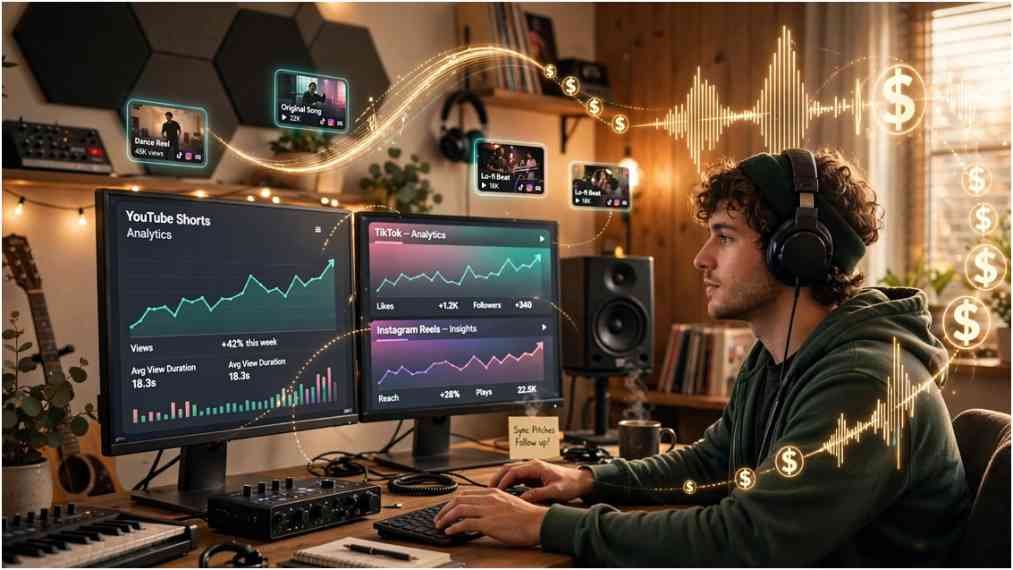
    Exploring micro sync licensing opportunities for independent musicians completely transformed my back-catalog from stagnant files on a hard drive into a steady monthly earner. Rather than chasing a single $10,000 film placement, micro-sync monetizes thousands of short-form videos across YouTube Shorts, TikTok, Instagram Reels, and corporate podcasts. Payouts start as fractions of a cent per play, but they scale aggressively through creator volume.

    What Is Micro Sync Licensing? (And Why Hollywood Isn’t the Only Customer)

    Traditional sync involves manually clearing the master and composition rights for movies, broadcast television, or video games. It is slow, highly political, and heavily gatekept.

    Micro-sync licensing automates this entire pipeline for digital content. Online video creators, small business marketing teams, and social influencers do not have the time or legal budget to negotiate individual licenses. Instead, they access pre-cleared catalogs through subscription platforms, digital distributors, or integrated creator storefronts like YouTube Creator Music.

    The visual creator pays an affordable fee or shares ad revenue, and the music owner gets paid based on tracked platform engagement. It is one of the most reliable hedges against volatile independent music sales.

    The Two-Copyright Leak: Why You Are Probably Leaving 50% on the Table

    When I first uploaded my instrumentals to a distributor, I thought checking the “Social Video Monetization” box was enough. It was not. I was losing half my revenue because I failed to account for the dual nature of copyright law.

                         ┌────────────────────────────────────────┐

                          │            Your Audio Asset            │

                          └──────────────────┬─────────────────────┘

                                             │

                     ┌───────────────────────┴───────────────────────┐

                     ▼                                               ▼

         ┌────────────────────────┐                     ┌────────────────────────┐

         │    Master Recording    │                     │  Composition / Lyrics  │

         └───────────┬────────────┘                     └───────────┬────────────┘

                     │                                               │

                     ▼                                               ▼

         Tracked by Content ID /                         Collected via PROs

           Digital Distributor                             & Publishing Admins

                     │                                               │

                     ▼                                               ▼

           50% of Sync Value                               50% of Sync Value

    Sound Recording vs. Composition in Social Video

    Every recorded track carries two distinct copyrights recognized by the U.S. Copyright Office: the Master (the recorded sound file) and the Composition (the underlying chords, melody, and lyrics).

    Digital distributors like DistroKid, TuneCore, and CD Baby monitor your master file. When their acoustic fingerprinting software detects your sound recording in a user’s clip, they collect the master-side ad revenue.

    However, every public playback of that video also triggers a public performance royalty and a mechanical synchronization royalty on the composition side. If a content creator recreates your progression, covers your melody, or uses your track in a broadcasted web series, master fingerprinting alone will not protect you.

    Plugging the Gap with Global Publishing Administrators

    Plugging the Gap with Global Publishing Administrators

    To capture the composition half of micro-sync revenue, you must join a Performance Rights Organization like BMI or ASCAP to capture performance royalties.

    Even that step leaves money on the table. PROs do not collect digital mechanical royalties.

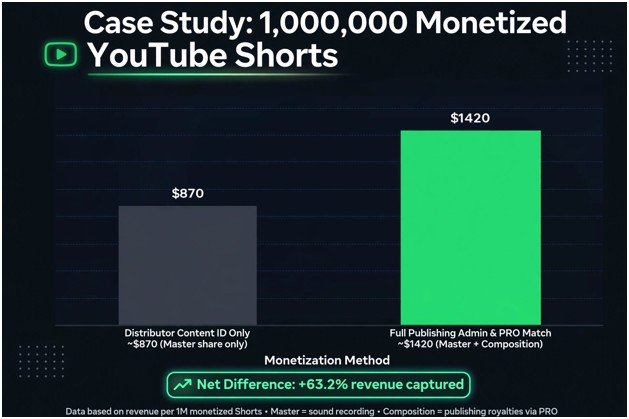
    ┌──────────────────────────────────────────────────────────────────────────┐

    │               Case Study: 1,000,000 Monetized YouTube Shorts             │

    ├─────────────────────────────────────┬────────────────────────────────────┤

    │ Distributor Content ID Only         │ ~$870 (Master share only)          │

    │ Full Publishing Admin & PRO Match   │ ~$1,420 (Master + Composition fees)│

    ├─────────────────────────────────────┴────────────────────────────────────┤

    │ Net Difference: +63.2% revenue captured on the exact same view count     │

    └──────────────────────────────────────────────────────────────────────────┘

    By registering my catalog with a publishing administrator and ensuring my works were active with The MLC, I stopped leaving backend mechanical royalties in global “black box” pools.

    Where to Monetize: Evaluating the Major Micro-Sync Marketplaces

    Where to Monetize: Evaluating the Major Micro-Sync Marketplaces

    Finding the right distribution channels depends on how you want to manage exclusivity and creative ownership.

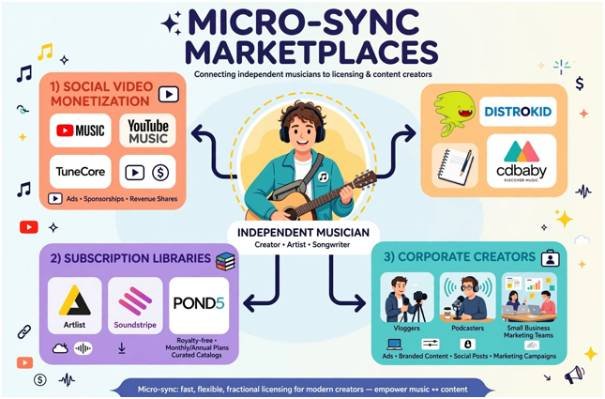
    Social Video Monetization and Creator Marketplaces

    Your existing distributor is your fastest point of entry:

    • DistroKid: Charges an optional annual fee per release for YouTube Content ID, retaining a 20% commission on collected ad revenue.
    • CD Baby: Collects social video royalties across Meta and YouTube under their standard setup, charging no recurring annual fee but retaining a 30% cut.
    • TuneCore: Integrates social platform monetization across all release tiers while taking a flat 20% cut.

    Beyond standard distribution, platforms like YouTube Creator Music let creators buy commercial licenses for full-length videos. You set the floor price, and creators license your song directly inside YouTube Studio.

    Subscription Libraries and Buyout Platforms

    Subscription services cater to vloggers, editors, and corporate teams needing vast pools of background music:

    • Artlist & Soundstripe: High-volume platforms where vetted artists receive predictable, pool-based payout models.
    • Pond5: A non-exclusive open marketplace where you set your own licensing rates for indie filmmakers and digital ad creators.
    • Epidemic Sound: Highly lucrative for creator reach, but they generally require a total buyout of rights, conflicting with existing PRO registrations.

    How I Prepare My Catalog for Automated Sync Discovery

    How I Prepare My Catalog for Automated Sync Discovery

    Audio discovery engines do not understand abstract art; they run on structured metadata. To make my music discoverable by algorithms and editors alike, I follow three strict preparation rules:

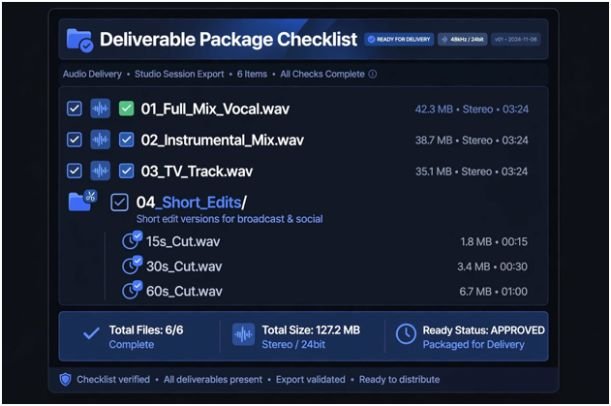
    Deliverable Package Checklist:

    ├── 01_Full_Mix_Vocal.wav (24-bit / 48kHz)

    ├── 02_Instrumental_Mix.wav (Essential for voiceover clarity)

    ├── 03_TV_Track.wav (Instruments + backing harmonies only)

    ├── 04_Short_Edits/

    │   ├── 15s_Cut.wav (Optimized for quick hooks)

    │   ├── 30s_Cut.wav (Standard social ad format)

    │   └── 60s_Cut.wav (Long-form short video)

    1. Deliver Clean Instrumentals: Editors instantly discard tracks that clash with vocal narration. Instrumental mixes are mandatory.
    2. Design Immediate Hooks: Short-form platforms decide track viability in the first three seconds. Avoid long, atmospheric fade-ins.
    3. Use Functional Metadata: Never label files with abstract emotional descriptions alone. Tag files with use-cases (tech unboxing, high-energy fitness, chill study study-vlog), tempo (BPM), key, and dominant instruments (distorted synth, fingerstyle acoustic).

    Stop Pitching Blind and Let the Bots Work

    Waiting around for Hollywood music supervisors or holding out for a major record deal is an exhausting game that leaves your financial fate in someone else’s hands. 

    Micro-sync flips the script: you trade the illusion of an overnight lottery win for the cold, compounding power of automated math. 

    Clean up your split sheets, register your publishing, package your instrumentals, and let thousands of daily video uploads build your royalty foundation. 

    Frequently Asked Questions About Micro-Sync Licensing

    1. What is the average payout for a micro-sync license?

    Payouts range from fractions of a cent per short-form view to $5–$50 upfront for direct creator licenses.

    2. Do I need a publisher to land micro-sync placements?

    No, independent artists can self-administer micro-sync by utilizing digital distributors, open sync marketplaces, and publishing admins.

    3. Can I place the same song in multiple micro-sync libraries?

    Yes, provided you sign non-exclusive licensing agreements rather than exclusive platform contracts.

    4. Will Content ID prevent me from uploading my own music?

    No, you can whitelist your official artist channels with your distributor to avoid copyright flags on personal uploads.

  • How Songwriters Create Intimacy Through Small Lyrical Details That Stay With Us

    How Songwriters Create Intimacy Through Small Lyrical Details That Stay With Us

    I notice that the lyrics I remember most are rarely the ones that explain an emotion perfectly. They are usually the ones that give me one tiny image: a jacket left on a chair, a kitchen light still burning, or a familiar sentence someone used to say. Those details make a song feel less like a performance and more like a private moment I have somehow been allowed to overhear.

    I have also found that the most personal lyrics can become surprisingly relatable. A songwriter may describe one particular apartment, one late-night drive, or one awkward conversation, yet I can connect it to a completely different memory from my own life. The detail does not keep me outside the story. It gives me something concrete to hold onto.

    Why Small Details Feel So Personal

    Big emotions are easy to name, but naming them can flatten the experience. Small details give those emotions a physical setting.

    A lyric about missing someone becomes more immediate when it shows what the absence looks like. Maybe their coffee mug is still beside the sink. Maybe the passenger seat stays empty on the drive home. Maybe a notification appears at midnight and the singer refuses to open it. None of these details says, “I am heartbroken,” yet each one lets the listener feel the situation.

    Sensory details place listeners inside a moment through sights, sounds, textures, smells, tastes, or movement. Specificity makes a lyric feel personal without requiring a long explanation.

    Let Ordinary Things Carry Emotional Weight

    Let Ordinary Things Carry Emotional Weight

    Think about objects that quietly hold memories: an old sweatshirt, a receipt in a drawer, a cracked phone screen, a particular takeout order, or shoes by the door. Songwriters can resist making every line poetic. A plainspoken detail can hit harder than an elaborate metaphor because it sounds observed. One well-chosen detail can suggest an entire history.

    Show the Feeling Through Actions

    People often reveal emotions through what they do rather than what they say. Lyrics can use the same principle.

    A character who keeps checking an old message tells us something different from a character who deletes it immediately. Someone who takes the long way home, leaves a light on, or avoids a familiar chair is revealing an emotional state without naming it.

    It also helps to focus on observable details. A narrator cannot always know exactly what another person thinks, but they can describe what that person does, says, avoids, or remembers. That limitation can make the story feel honest.

    Make the Listener Feel Like They Are There

    Direct address can bring another layer of closeness. When a lyric speaks to a specific “you,” it can feel like a conversation is already happening.

    Instead of describing someone from a distance, the songwriter can ask a question, make a request, remember something, or confront the person directly. The listener feels like they are catching fragments of a private conversation.

    Conversational phrasing helps too. A polished lyric does not have to sound like formal poetry. A sentence that resembles real speech can create immediate trust.

    This is one reason how digital life is influencing contemporary songwriting matters to lyricists. Modern conversations contain intimate material: unsent texts, voice notes, notifications, shared photos, deleted messages, and short replies that suddenly feel loaded with meaning. These details can document relationships in a language listeners recognize.

    Leave Space for the Listener

    Leave Space for the Listener

    Intimacy does not require complete disclosure. Explaining every emotion can leave the audience with nothing to discover.

    A strong lyric establishes the scene, then lets the listener make connections. An untouched plate, quiet bedroom, or coat still hanging by the door can show that something has changed without explaining how to feel.

    Listeners then bring their own experiences into the song. A detail may belong to one songwriter, while the emotion surrounding it can belong to thousands.

    Balance Plain Speech With Poetic Detail

    Intimacy becomes stronger when conversational language and imagery support each other. A verse might begin with a simple observation, move into a vivid sensory image, and return to an ordinary phrase that sounds like real speech.

    That balance keeps lyrics from becoming too vague or ornate. Metaphor can create atmosphere, while plain language can clarify what is happening.

    The same principle applies when writing lyrics for songs that blend multiple genres. A lyric can remain intimate even when production moves between pop, country, R&B, rock, or electronic influences.

    Choose Details That Earn Their Place

    Before keeping a detail, ask what it reveals. Does it show a relationship, establish a setting, expose a habit, create tension, or deepen the central emotion? If it does none of those things, it may simply be taking up space.

    Slightly imperfect details can help. Real memories contain mundane objects, strange routines, and awkward moments. Those imperfections can make a lyric feel lived-in.

    This kind of personal, independent expression also connects with understanding what does indie mean in music, particularly when considering how individuality shapes songwriting and artistic style.

    The best detail is often the one a songwriter almost overlooks because it seems too normal. It sounds observed rather than manufactured.

    Frequently Asked Questions 

    1. Why do specific details make lyrics more relatable?

    Specific details give listeners something concrete to visualize, while the emotion lets them connect it with their own experiences.

    2. Should every lyric include sensory imagery?

    No. Use sensory details when they strengthen the scene or emotion. Too many can clutter a lyric.

    3. How can conversational lyrics create intimacy?

    Conversational lyrics can sound like real communication. Addressing a “you” or using everyday phrasing can make listeners feel closer.

    4. Can small details work in any music genre?

    Yes. Specific storytelling can support pop, country, R&B, rock, folk, electronic music, and hybrid styles.

    The Details People Remember

    The songs that stay with us often leave an image. Long after the chorus fades, we may remember the room, street, drink, jacket, unanswered phone, or ordinary sentence. That detail becomes a doorway into the larger emotion, giving the listener room to bring a memory of their own.

    For songwriters, intimacy does not always come from revealing more. Sometimes it comes from noticing better. A single honest detail can make a character feel real and turn a private memory into a shared experience.

  • Writing Lyrics for Genre Blending and Alternative Pop That Feel Authentic

    Writing Lyrics for Genre Blending and Alternative Pop That Feel Authentic

    I used to think genre blending meant choosing a few sounds I loved and squeezing them into one song. When I started paying closer attention to alternative pop, I noticed the lyrics could matter as much as the production. A bright beat could carry a lonely confession, while a stripped-back verse could turn sharp or playful. That contrast made the writing feel less predictable.

    I also realized authenticity rarely comes from making every line perfectly poetic. The lyrics that stay with me sound like something a person might say, with one detail that makes the moment impossible to confuse with anyone else’s. For writers working across genres, that balance can become an advantage.

    Start With the Feeling, Not the Genre

    When writing lyrics for genre blending and alternative pop, it is tempting to begin with a label. Should the song sound indie rock, R&B, electronic, hyperpop, or polished pop? That question belongs in the process, but it does not need to lead it.

    Start with the emotional situation. What happened? What does the speaker want? What are they avoiding saying? Once that is clear, genre influences can shape the delivery rather than dictate the personality of the lyric.

    Make Ordinary Details Do the Heavy Lifting

    Make Ordinary Details Do the Heavy Lifting

    Authentic lyrics often become stronger when they stop trying to sound important. A specific object, location, habit, or physical detail can carry more emotional weight than a page of abstract language.

    Instead of describing heartbreak as endless darkness, place the listener somewhere. Maybe the speaker is sitting in a parked car outside a grocery store, refreshing a phone screen, or carrying home food for two after the relationship has ended. These details create a scene without explaining every feeling.

    Sensory language helps listeners enter that scene. Sight, sound, touch, smell, and movement can make a lyric feel lived-in rather than manufactured.

    Let Conversational Language Keep the Song Human

    A strong lyric does not have to sound like a poem. Sometimes the most effective line sounds almost too ordinary on paper. That quality can become powerful once melody, rhythm, and vocal delivery give it emotional context.

    Writing as people actually speak can reveal the songwriter’s personality. Sentence fragments, questions, interruptions, repeated phrases, and casual expressions can become part of the lyrical voice. Directly addressing another person with “you” can create intimacy, especially when the lyric suggests something that remains unsaid.

    Build Hooks Without Flattening the Story

    Genre blending does not mean choosing between storytelling and a memorable chorus. They can strengthen each other.

    The verses can introduce details and complications, while the chorus distills the central emotional idea into a phrase listeners can remember. Repetition becomes more meaningful when the repeated line gains a different meaning after each verse.

    Use Contrast as a Creative Tool

    Use Contrast as a Creative Tool

    One of the most interesting possibilities in alternative pop is emotional contrast. A lyric can sound anxious while the production feels euphoric. A confident vocal can sit over sparse, unsettling instrumentation. A tender confession can arrive through distorted guitars or an electronic pulse.

    That tension gives the listener two things to process at once. The production creates one expectation, while the lyric complicates it.

    Keep Genre Influences From Taking Over Your Voice

    Genre blending works best when influences remain ingredients rather than identities. Borrowing a rhythmic approach from hip-hop, a melodic sensibility from pop, or a confessional quality from R&B can expand a song’s possibilities. But copying the language or clichés associated with each genre can make the lyric feel assembled.

    This is where how emerging songwriters develop their own lyrical voice becomes especially relevant. A recognizable voice develops through repeated choices: the details a writer notices, subjects they return to, rhythms they naturally use, and things they leave unsaid.

    Give Storytelling Room in Alternative Pop

    Storytelling remains useful when songs become more experimental because a narrative gives listeners something to follow. It can introduce a person, establish a moment, create tension, and leave behind a change in perspective without explaining everything.

    That does not mean every song needs a beginning, middle, and neat ending. One scene can be enough if it reveals something. A conversation can expose a relationship. One object can carry an entire memory.

    This connects with the return of storytelling in modern alternative songwriting, where specific moments can make genre-fluid songs feel grounded. The more distinctive the scene, the less the songwriter needs to announce its meaning.

    FAQs: Writing Lyrics for Genre Blending and Alternative Pop That Feel Authentic

    1. Should alternative pop lyrics always be conversational?

    No. Conversational language can create intimacy, but imagery, metaphor, repetition, and unusual phrasing can feel authentic when they suit the songwriter’s voice.

    2. How do I blend genres without making my lyrics confusing?

    Choose one emotional or narrative center first. Let different genres influence rhythm, phrasing, imagery, or structure while keeping the song’s central perspective clear.

    3. Do alternative pop lyrics need perfect rhymes?

    Not at all. Slant rhyme, internal rhyme, repeated sounds, and natural speech patterns can create musicality without forcing a sentence into an unnatural shape.

    4. How can I make my lyrics more specific?

    Replace broad statements with concrete details. Think about what the character sees, touches, hears, says, avoids, or remembers in one particular moment.

    Why Authenticity Gives Genre Blending a Center

    The most useful thing a songwriter can bring to a genre-blending track is not a perfect formula. It is a point of view. Production can change dramatically, influences can overlap, and a song can move between softness and intensity, but a convincing lyric gives those choices somewhere to land. Specific details, honest tension, conversational phrasing, and purposeful repetition help the listener recognize a person behind the performance.

    That is what makes experimentation feel personal. The goal is not to sound unlike everyone else in every line. It is to make familiar emotions sound like they could only have come from you.

  • How to Write a Pre-Chorus That Makes a Song More Emotional

    How to Write a Pre-Chorus That Makes a Song More Emotional

    I started noticing that the songs that stay with me are not always the ones with the biggest choruses. Often, the emotional shift happens a few lines earlier, when the singer seems to move from describing what happened to admitting what it actually meant. That small change can make the chorus feel much more personal.

    I also found that learning how to write a pre-chorus becomes easier when I stop treating it as a filler section. A good pre-chorus creates a little emotional pressure. It gives the listener a reason to lean forward, then lets the chorus release what has been building.

    Start With the Emotional Destination

    A pre-chorus works between the verse and chorus, but its real purpose is more specific: it prepares the listener for the emotional arrival of the chorus. It can be short or several bars long, and some songs work perfectly well without one. When a verse already flows naturally into the chorus, adding another section may only slow the song down.

    Think of the verse as the setup and the chorus as the emotional answer. The pre-chorus is the moment when the question becomes harder to ignore. It should make the listener feel that something has changed, even if the production stays relatively simple.

    Move From Details to Vulnerability

    Move From Details to Vulnerability

    One useful way to write pre-chorus lyrics is to change the focus of the writing. A verse can describe a conversation, location, memory, or action. The pre-chorus can then reveal why that detail matters.

    For example, a verse might describe seeing an ex-partner with someone new. Instead of adding another plot detail, the pre-chorus could reveal the uncomfortable realization that the singer still cares. That shift from external observation to internal reaction increases emotional stakes without needing dramatic language.

    Specific details matter. A small image, remembered phrase, or ordinary habit can communicate vulnerability more effectively than broad emotional words. how songwriters create intimacy through small lyrical details can be especially useful when the goal is to make a pre-chorus feel close and believable.

    Let the Melody Raise the Pressure

    Lyrics alone do not create emotional buildup. The melody can make the same words feel restrained, anxious, hopeful, or urgent.

    A common technique is to let the vocal line gradually rise as the pre-chorus moves forward. If the verse sits comfortably in a lower register, the pre-chorus can climb toward the range of the chorus. That rising contour gives the listener a physical sense that the song is heading somewhere for you.

    Rhythm can help too. Syncopation, shorter phrases, pauses, or repeated fragments can make the section feel less settled.

    Use Chords That Leave Something Unresolved

    Harmony gives the pre-chorus another way to create anticipation. If the chorus begins on the tonic, or home chord, the pre-chorus can finish on a chord that naturally wants to move there.

    Dominant, subdominant, or pre-dominant chords can create that sense of incompleteness and keep the final moment open rather than settled. In a C major example, ending on G before moving to C creates a familiar pull toward resolution. Other progressions can work too, as long as the final harmony supports the emotional direction of the chorus.

    Make the Chorus Feel Earned

    Make the Chorus Feel Earned

    A strong pre-chorus does not compete with the chorus. It makes the chorus matter more.

    A practical test is to remove the pre-chorus and sing the verse directly into the chorus. If the chorus suddenly feels too early, too abrupt, or emotionally underprepared, the pre-chorus may be doing useful work. If nothing is lost, the song may not need it.

    Keep the writing focused. A pre-chorus can become weaker when it tries to introduce a second storyline, a new character, or too many lyrical ideas. Give the section one emotional job and let the chorus deliver the larger statement.

    The same principle applies when writing lyrics for songs that blend multiple genres, where the lyrics need to maintain a clear emotional direction even as the musical style changes.

    Bring Digital Listening Into the Writing Process

    Songwriting also exists within changing listening habits. how digital life is influencing contemporary songwriting is relevant because listeners often encounter songs through playlists, short clips, recommendations, and repeated snippets rather than only through full album listening.

    That does not mean every pre-chorus needs to become a miniature hook. Clarity still matters. It does suggest that a memorable emotional phrase can help a transition remain recognizable when a listener hears only part of a song. The strongest approach is still to serve the song first, using repetition and immediacy without flattening the writing into a formula.

    Know When Less Is More

    Not every emotional pre-chorus needs a huge vocal climb, dramatic chord change, or dense production. Sometimes the most affecting choice is restraint.

    A quieter vocal, a held note, a brief pause, or one precise lyric can create enough tension for the chorus to feel larger. Emotional songwriting often becomes stronger when the writer trusts the listener to understand what remains unsaid.

    Frequently Asked Questions 

    1. How long should a pre-chorus be?

    There is no fixed length. Many pop pre-choruses are around four to eight bars, but shorter sections can work when they create enough momentum.

    2. Should a pre-chorus have different lyrics from the verse?

    Usually, yes. It should develop the verse’s idea while moving toward the central emotional message of the chorus.

    3. Should the pre-chorus melody always rise?

    No. A rising melody is common, but dropping into a quieter or lower register can create intimacy and contrast before the chorus.

    4. Does every song need a pre-chorus?

    No. It is an optional structural section. If the verse already creates a smooth, satisfying transition into the chorus, adding one may be unnecessary.

    Why the Transition Can Carry the Emotion

    The most effective pre-choruses often work because they understand restraint. They do not rush to explain everything, and they do not try to become a second chorus. Instead, they take the emotional information already established in the verse, turn it inward, and create enough tension for the chorus to feel like a genuine release. That process can involve lyrics, melody, rhythm, harmony, production, or simply a well-placed pause. What matters is that every choice points toward the same emotional destination.

    A pre-chorus becomes memorable when the listener feels the chorus arriving before it actually arrives. That anticipation is the craft.

  • What Is an Indie Band? Why “Indie” Means More Than a Sound

    What Is an Indie Band? Why “Indie” Means More Than a Sound

    A band does not have to be unknown, play lo-fi guitars, or perform in tiny clubs to be indie. It can build a substantial audience, tour nationally, and still operate independently.

    So, what is an indie band? At its simplest, it is a group that operates outside the control of a major record company, either releasing music itself or working with an independently owned label. The confusing part is that “indie” has also become a musical description associated with alternative sounds, DIY culture, experimentation, and creative independence.

    Understanding that distinction makes it much easier to tell whether a band is genuinely independent, simply sounds indie, or happens to be both.

    What Actually Makes a Band Indie?

    The word “indie” comes from “independent.” Historically, the important question was not what the guitars sounded like. It was who controlled the recording and release.

    The American Association of Independent Music, or A2IM, makes the distinction especially clear. It says independent music is not a particular genre and does not automatically mean music made by obscure artists. Its membership standards focus instead on ownership and control within the recording business.

    That means indie bands can play rock, folk, hip-hop, electronic music, punk, country, jazz, or almost anything else.

    A group releasing its own album through its own business can qualify. So can a group signed to a small independent label. What matters is that a major recording conglomerate does not ultimately control the band’s record company relationship.

    Independent Status and “Indie Sound” Are Not the Same Thing

    Independent Status and “Indie Sound” Are Not the Same Thing

    Modern music culture has given “indie” a second meaning.

    Over decades, music released by independent labels became associated with certain scenes and aesthetics: unconventional songwriting, jangly or distorted guitars, intimate vocals, experimental production, smaller recording budgets, and a willingness to ignore mainstream formulas.

    Eventually, listeners began using “indie” to describe that sound even when they knew nothing about a band’s contract.

    That creates two separate meanings:

    Question Indie as a business model Indie as a style
    What defines it? Label ownership and career structure Musical and cultural characteristics
    Must the band be unknown? No No
    Must it sound alternative? No Often, but not always
    Can it become commercially successful? Yes Yes
    Can a major-label band sound indie? Yes Yes

    This is why asking what is an indie band cannot be answered accurately by listening to one song alone. The distinction becomes even clearer when comparing an artist’s business structure with their cultural position, since underground artist vs independent artist describes two related but fundamentally different ways of understanding where a musician sits within the music industry and its audiences.

    Why Independent Bands Work Differently

    The biggest practical difference is not musical. It is organizational.

    Berklee College of Music notes that record labels can provide artists with financing, marketing, promotion, studio resources, organizational support, and other services. Independent artists often have to fund or coordinate many of those jobs themselves.

    For an indie band, releasing an album might therefore involve managing recording sessions, paying an engineer, hiring artwork designers, choosing a distributor, contacting journalists, promoting shows, creating social content, selling merchandise, and tracking royalties.

    That does not necessarily mean every band member personally performs every task. This broader approach to independence is also explained through what is an independent artist and how indie musicians actually build careers, including the different creative, business, promotional, and administrative responsibilities artists may manage or delegate.

    Successful independent musicians frequently hire managers, booking agents, publicists, producers, distributors, or marketing specialists. Independence means control does not automatically mean doing everything alone.

    The DIY Ethos Still Matters

    The DIY Ethos Still Matters

    DIY culture is one reason the indie identity became bigger than a business classification.

    Independent scenes developed partly because artists could create their own opportunities rather than waiting for established companies to approve them. Bands organized concerts, formed small labels, printed merchandise, recorded inexpensively, traded music between regional scenes, and developed audiences through college radio, independent stores, fanzines, and word of mouth.

    The history is older than streaming. The Library of Congress documents numerous independent record labels throughout the history of recorded music, showing that independent companies have long existed alongside larger industry players. Its archives also document labels such as Chicago’s Chance Records, which recorded music that larger companies sometimes overlooked.

    Digital distribution simply lowered some of the barriers. A band can now record affordably, distribute internationally, communicate directly with listeners, and build a following before a conventional label becomes involved.

    Does an Indie Band Own Its Music?

    Sometimes, but not automatically.

    One of the most important misconceptions is that being independent guarantees complete ownership of every song and recording.

    U.S. copyright law distinguishes between the musical composition—the underlying music and lyrics—and the sound recording containing a particular recorded performance. Those rights can have different owners.

    An independent band might control both. Alternatively, songwriting rights may be shared among members while a label owns or licenses masters under a contract.

    Being indie describes independence from major-label control more reliably than it describes a specific copyright arrangement.

    Can an Indie Band Be Famous?

    Absolutely. Popularity and independence measure different things. A2IM specifically rejects the assumption that independent means little-known. Its member labels have released work from artists who reached large audiences, illustrating how independent businesses can participate at high commercial levels.

    The global recording business also includes thousands of labels beyond the biggest corporations. IFPI, which represents recording companies internationally, lists both major and independent labels among its members.

    An artist’s independence can also change. A band might self-release its first EP, join an independent label for its second album, later sign with a major company, and eventually regain control of its releases. “Indie” is therefore not always a permanent identity.

    A Five-Question Test for Identifying an Indie Band

    A Five-Question Test for Identifying an Indie Band

    Instead of judging by clothing, album artwork, Spotify numbers, or guitar tone, investigate how the band’s music actually reaches listeners.

    1. Who releases the records?

    Check the copyright line or label information attached to recent releases.

    2. Who owns the label?

    A label with a boutique-sounding name can still belong to a larger corporation. Ownership matters more than branding.

    3. Does the band self-release?

    Bands using their own imprint and independent distribution are strong examples of the traditional indie model.

    4. Who controls the masters?

    Contracts vary, but ownership or substantial control of recordings can indicate a greater degree of independence.

    5. Are you identifying the business or the sound?

    If your only evidence is that the band “sounds indie,” you are describing genre or aesthetic rather than confirming its industry status. That simple distinction prevents most confusion.

    Why Listeners Still Use “Indie” as a Genre

    Language changes according to how people use it. For many listeners, “indie” now communicates a musical atmosphere faster than an explanation about master ownership and distribution agreements ever could. Indie rock, indie pop, indie folk, indie electronic, and related categories have become familiar cultural labels.

    For listeners exploring these categories beyond mainstream recommendation feeds, how to find new music without Spotify offers practical ways to discover unfamiliar artists through radio, independent labels, music databases, DJs, and music communities.

    There is nothing inherently wrong with that usage. The mistake comes from assuming the two definitions are interchangeable. A major-label act can make music listeners categorize as indie, while a completely independent band might create polished pop, metal, jazz, or another style that few listeners would describe as “indie sounding.”

    Frequently Asked Questions

    1. What is an indie band in simple terms?

    An indie band is generally a musical group operating independently from major record-label ownership, either self-releasing music or working with an independently controlled label.

    2. Is indie the same as alternative rock?

    No. Indie describes an industry structure and, informally, an aesthetic. Alternative rock is primarily a musical category. The two frequently overlap but are not interchangeable.

    3. Do indie bands make their own music?

    Many write and produce their own material, but independence does not require doing everything themselves. Indie bands can hire producers, managers, engineers, publicists, and distributors.

    4. Can an indie band sign with a record label?

    Yes. An indie band can work with an independent record label. Signing with a label does not automatically mean signing with one of the major recording companies.

    The Meaning Behind the Label

    The most useful way to understand indie music is to stop treating independence as a particular guitar tone.

    An indie band may sound raw or polished, experimental or accessible, tiny or commercially successful. Its defining feature is traditionally the structure surrounding the music: who releases it, who controls the business, and how closely the band depends on the major-label system.

    The next time someone describes a group as indie, ask one question before picturing thrift-store clothes and fuzzy guitars: are they talking about how the music sounds, or how the music business works? That distinction explains almost everything.

  • Underground Artist vs Independent Artist: What Actually Separates Them?

    Underground Artist vs Independent Artist: What Actually Separates Them?

    A musician can have millions of listeners and still be independent. Another can have only a few thousand devoted fans, belong firmly to an underground scene, and still work with a record company.

    That apparent contradiction explains why underground artist vs independent artist is so often misunderstood. “Independent” primarily describes how an artist’s career, recordings, rights, and business relationships are structured. “Underground” describes something less contractual: an artist’s visibility, audience, cultural position, sound, and relationship with the mainstream. The two frequently overlap, but they are not interchangeable.

    The Simplest Difference: Business Structure vs Cultural Position

    An independent artist generally operates without being signed to one of the major record-label systems. They may finance recordings themselves, own masters, hire outside companies for distribution, employ managers or publicists, and operate their career like a small business.

    An underground artist is identified less by contracts and more by where they exist culturally.

    Their audience may be concentrated around a particular subgenre, city, online community, venue network, or DIY scene. Their music may receive little commercial radio exposure or mainstream media coverage despite having deeply committed listeners.

    That gives us a useful shortcut:

    Question Independent Artist Underground Artist
    What defines the term? Career and business structure Audience and cultural visibility
    Must the artist be unknown? No Usually relatively niche
    Can they become mainstream? Yes Yes, though the label may eventually stop fitting
    Can they work with companies? Yes Yes
    Does genre determine it? No Often influenced by scene or subculture
    Main concern Control, ownership, distribution Community, identity, reach

    The important point is that independence does not automatically mean obscurity.

    What Makes an Artist Independent?

    Modern independent musicians can perform many functions once handled almost exclusively by record labels.

    Berklee College of Music notes that musicians can now record with relatively simple equipment, promote themselves through social platforms, and independently release music through digital services.

    Independence therefore has more to do with control than popularity. An artist might independently organize recording sessions, hire producers, commission artwork, arrange distribution, book concerts, run advertising campaigns and negotiate licensing opportunities.

    What is an independent artist and how indie musicians actually build careers becomes clearer when these responsibilities are viewed as part of a broader career structure, where artists can combine creative control with professional support across recording, distribution, marketing, touring, and rights management.

    Some create their own labels simply to organize releases and intellectual property more professionally.

    That does not mean independent musicians literally do everything alone. An independent artist can hire a manager, lawyer, distributor, booking agent, marketing company or publisher and remain independent. The important question is who controls the underlying career and agreements.

    Berklee even teaches artist entrepreneurship and DIY music marketing as professional disciplines, covering business planning, revenue streams, marketing and independent career development.

    What Makes an Artist Underground?

    What Makes an Artist Underground

    “Underground” is harder to reduce to paperwork because there is no legal definition or universally accepted audience threshold.

    Instead, it describes an artist’s place inside music culture.

    An underground performer may build an audience through basement shows, independent venues, college radio, small festivals, local promoters, niche forums, Discord communities, Bandcamp circles, scene-specific playlists or word-of-mouth discovery.

    American music history offers many examples of scenes growing this way.

    The Smithsonian’s documentation of Washington, D.C.’s DIY music culture describes underground scenes built around local musicians, independent spaces and handmade show posters. It also connects this tradition with D.C.’s go-go and hardcore punk communities.

    NYU: The Downtown Music Scene has the archive of Manhattan’s downtown music scene similarly describes creative networks characterized by experimentation, unconventional collaboration and resistance to established commercial and cultural norms.

    This is why underground status is partly cultural rather than purely numerical. An artist with 100,000 listeners concentrated within one alternative scene could feel more “underground” than someone with fewer listeners whose music regularly appears in mainstream entertainment media.

    Can an Independent Artist Become Mainstream?

    Can an Independent Artist Become Mainstream

    Absolutely. One of the biggest misconceptions surrounding underground artist vs independent artist is that independent musicians must remain small.

    Digital distribution changed that equation.

    Artists no longer necessarily need a traditional major-label contract simply to make recordings commercially available. Independent musicians can use distributors, direct-to-fan channels, social platforms and touring to reach audiences far beyond their hometown.

    Berklee’s historical coverage of independent distribution shows how services such as CD Baby developed specifically to give independent musicians distribution options without requiring conventional label relationships.

    An artist could therefore achieve substantial streaming numbers, sell out venues and build an international audience while retaining an independent business structure.

    Popularity alone does not turn an independent artist into a major-label artist.

    Can an Underground Artist Be Signed to a Label?

    Yes, which reveals the opposite side of the distinction.

    Suppose an experimental metal, hip-hop or electronic artist signs a recording agreement but continues making highly niche music for a relatively small scene. Listeners may still reasonably describe that artist as underground because the word refers to cultural reach rather than simply contract status.

    Likewise, independent labels complicate the terminology.

    Being signed to a small independent label does not automatically place an artist within the major-label system. At the same time, being associated with a label does not automatically erase an artist’s underground identity.

    Context matters more than the label itself.

    The Four-Question Test for Identifying the Difference

    Instead of judging artists by follower counts alone, I would use four questions.

    1. Who Controls the Recording Career?

    Look at who releases the music, who owns or administers the recordings and what type of label agreement exists.

    Copyright matters here because musical compositions and sound recordings can have separate owners. The U.S. Copyright Office explains that these are distinct copyrighted works that may be owned and licensed separately.

    2. How Broad Is the Audience?

    Look beyond raw streaming numbers.

    Is the artist known mainly inside one local or online scene, or has recognition spread into mainstream media, major festivals and general entertainment culture?

    This question helps determine underground status rather than independence.

    3. How Does the Artist Reach Fans?

    Grassroots shows, independent promoters, niche communities and direct fan relationships often characterize underground scenes.

    However, those methods do not prove an artist is financially or legally independent.

    For artists handling their own promotion, independent music PR campaigns on a budget can provide a practical way to build visibility through targeted outreach, niche media, and community-focused promotion without relying entirely on traditional agency support.

    4. Where Does the Money and Administration Flow?

    Independent artists still operate within formal royalty systems.

    For example, SoundExchange manages U.S. digital performance royalties for featured performers and sound-recording copyright owners, illustrating that independent careers can involve sophisticated rights administration rather than purely DIY activity.

    The nonprofit Future of Music Coalition also focuses on issues affecting musicians’ compensation, licensing and participation in the modern music economy.

    Why the Internet Blurred the Old Definitions

    Why the Internet Blurred the Old Definitions

    Before inexpensive recording software, global streaming distribution and social media, artists outside the traditional record business faced much greater barriers to reaching listeners.

    That made “independent” and “underground” appear much closer together.

    Today, distribution and discovery are separate problems.

    Today, distribution and discovery are separate problems. For independent musicians, how do independent artists get discovered is increasingly tied to the combination of digital distribution, social platforms, live performances, niche communities, and direct audience relationships rather than relying on a traditional label to create visibility.

    A musician can independently distribute a track worldwide within days, but availability does not automatically create mainstream recognition. Meanwhile, a niche artist may deliberately value scene credibility, experimentation or community over mass-market visibility.

    The internet therefore separated two ideas that once frequently traveled together: independence from industry gatekeepers and distance from mainstream audiences.

    Common Misconceptions

    One misconception is that underground automatically means amateur. It does not. Underground performers may have experienced producers, professional touring operations and highly developed artistic identities.

    Another is that independent means unsigned and unsupported. Independent artists routinely work with professional distributors, publishers, booking agencies and rights organizations.

    Finally, underground is not necessarily a permanent career stage. An artist may emerge from a small scene, attract a wider audience and stop being widely viewed as underground without changing how their business is structured.

    Frequently Asked Questions

    1. Is an underground artist automatically independent?

    No. Many are independent, but underground describes cultural visibility and audience reach. An underground musician can still have a label relationship.

    2. Can an independent artist be famous?

    Yes. Independence describes business structure rather than fame. An artist can reach a large international audience while independently controlling releases and career decisions.

    3. What is the main underground artist vs independent artist difference?

    Independent primarily describes how a music career is owned and operated. Underground describes how niche, scene-based or outside mainstream culture an artist remains.

    4. Does signing with a distributor mean an artist is no longer independent?

    Not necessarily. Distribution services can provide infrastructure without taking the same role or control associated with a traditional major-label recording deal.

    What the Labels Really Tell You

    The easiest mistake is treating “underground” and “independent” as two levels on the same ladder. They measure different things.

    If you want to understand an artist accurately, ask two separate questions: Who controls the career, and where does the artist sit culturally?

    The first reveals independence. The second reveals whether “underground” still makes sense.

    That distinction has become especially important as musicians can build serious businesses without traditional major-label structures while niche scenes can reach listeners worldwide. An artist can be independent without being underground, underground without being fully independent, both at once—or eventually neither.