Sending your release into editorial inboxes without a strategy feels like screaming underwater. When I dropped my first EP, I blasted 80 music editors and received total silence. After refining my outreach into a narrative-first approach, my response rate jumped to 28.3% across 120 pitches. Learning how to get featured on independent music blogs and podcasts requires treating curators as storytelling partners rather than free advertising boards.
The Single-Link EPK Blueprint Curators Actually Click
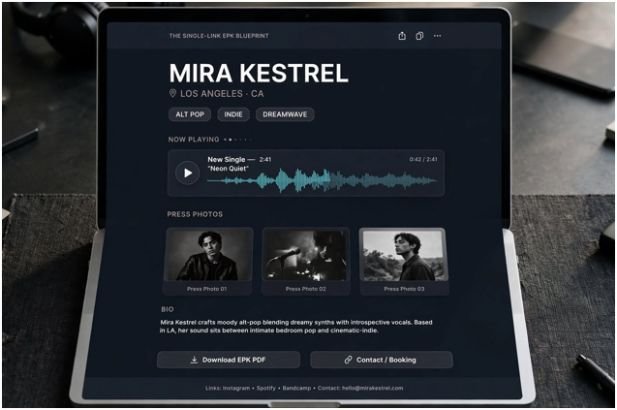
Music writers read while listening. If an editor must download a zip file or request access permissions, they delete the email immediately.
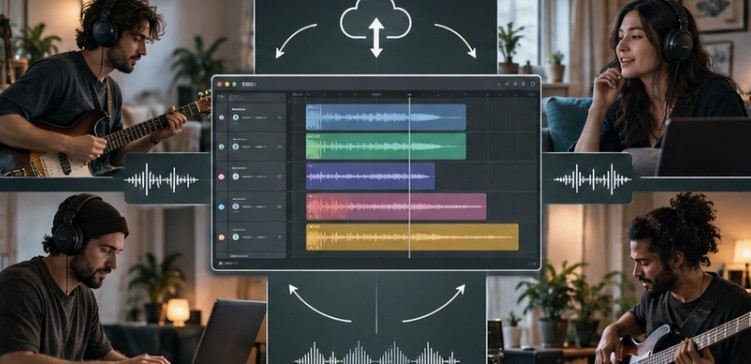
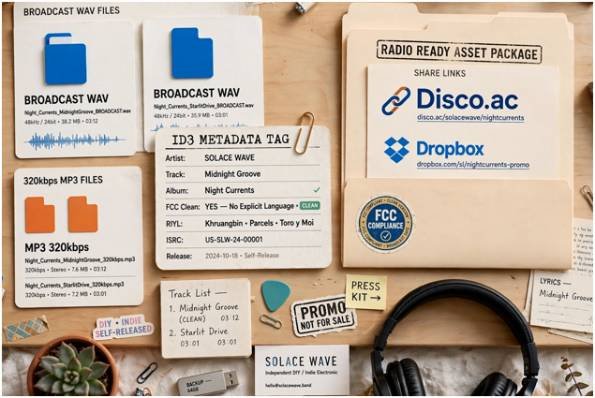
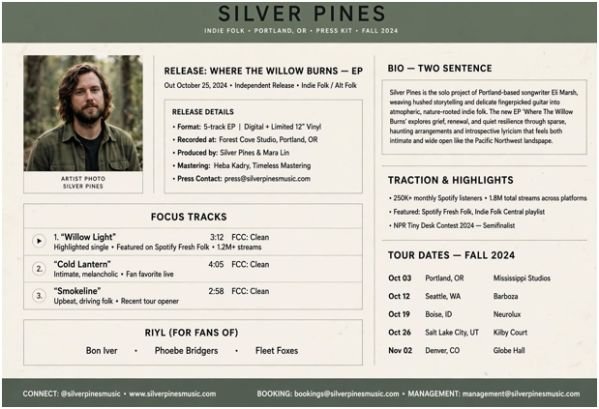
I host my Electronic Press Kit on a clean, unindexed landing page on my website. Cloud drives work equally well when set to public viewing. The header presents my artist name, location, and three reference genres.
Right below sits an embedded, streamable player with unreleased audio via private links. Keep your download links separate for press-ready assets.
Streamable Media Assets That Save Editors Time
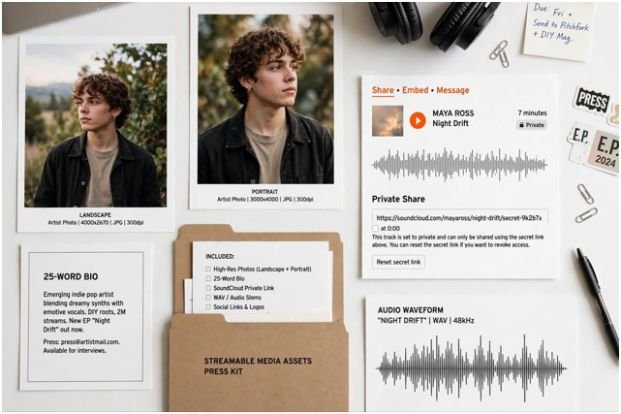
An editor usually decides within twenty seconds of hitting play. Place your primary focus track at the top, followed by three high-resolution images: two landscape photos for website banners and one portrait image for mobile layouts.
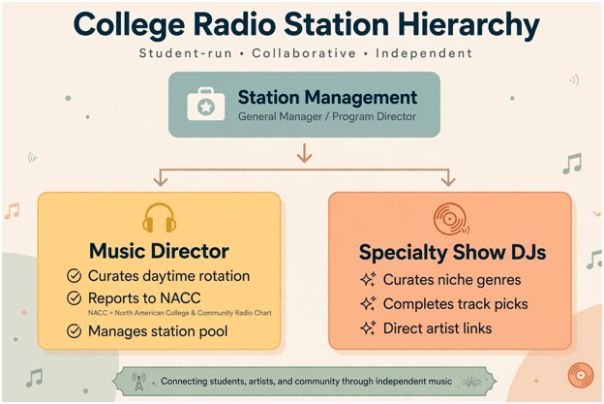
Alongside your audio, include a 25-word elevator bio, a 100-word blurb for podcast show notes, and a detailed 300-word background story. Detail production credits, recording locations, and release dates clearly. When expanding your promotional run, this same cloud structure powers your strategy for pitching independent music to college radio.
Finding Tastemakers Beyond Saturated Submission Queues
Reaching major publications straight away rarely yields coverage. Cultivating dedicated regional outlets and niche genre publications builds authentic cultural proof first.
Curator Research Strategy:
- Select 3 peer artists who are 6–12 months ahead of your current level.
- Search their track titles on Google and podcast directories.
- Identify bylines of freelance writers who praised those specific releases.
- Pitch those specific contributors directly on their dedicated beats.
Reverse-Engineering Similar Artist Footprints
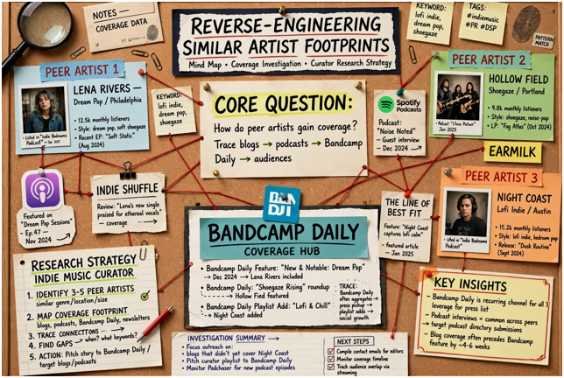
To build my contact list, I pick three artists who share my sonic lane and pull slightly higher streaming numbers. I track where they landed coverage during their previous album cycles.
Writers who celebrate emerging synth-pop or underground folk often seek similar sounds for upcoming roundups. Cross-reference their coverage through Bandcamp Daily features or niche review outlets.
Once you locate their articles, find the journalist’s direct contact info or their designated submission address. You can apply this exact mapping technique when preparing to submit music to independent radio stations.
The 3-Sentence Pitch Framework That Tripled My Response Rate
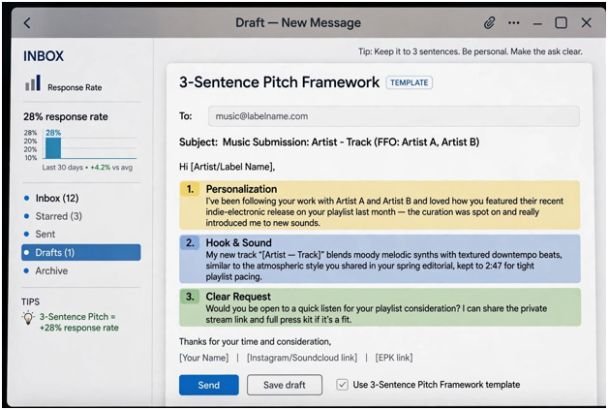
Music bloggers read dozens of inquiries before morning coffee. Long autobiographical emails get ignored. Keep cold pitches under 150 words by utilizing a three-tier narrative block:
- Sentence 1 (Direct Personalization): Reference a specific article or review the writer published within the last month. Mention what you liked about their breakdown.
- Sentence 2 (The Hook and Sound): Describe your song using two reference bands and one concrete creative obstacle you faced during recording.
- Sentence 3 (The Clear Request): State the release date, link your streaming track, and ask directly if they want an exclusive premiere or a review.
Subject: Music Submission: [Artist Name] – [Track Title] (FFO: [Artist A], [Artist B])
Hi [Writer Name],
I loved your recent piece on [Artist Name]’s EP—especially your notes on their analog drum textures.
My upcoming single “[Track Name]” drops on [Date], blending warm 80s tape compression with modern indie-folk arrangements (for fans of [Artist A] and [Artist B]). I tracked the vocals inside an empty grain silo to capture natural spring reverb.
Stream the unreleased track here: [Private Link]
Press kit and hi-res assets: [EPK Link]
Would you be open to premiering the single ahead of the release?
Best,
[Your Name]
According to data outlined by TuneCore Artist Guides, providing direct streamable links rather than attached audio files prevents emails from landing in spam folders while speeding up editorial evaluation. For platforms like SubmitHub, this concise clarity ensures curators actually engage with your song before their evaluation clock expires.
Podcaster Pitching: Selling the Narrative, Not Just the Track
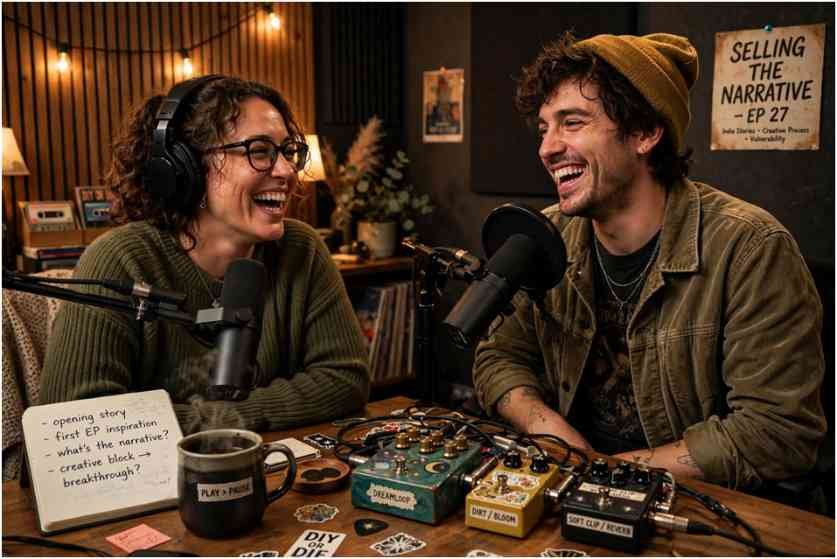
Podcasts require conversational chemistry. Hosts rarely interview an artist simply because they wrote a catchy chorus. They need discussions that educate, entertain, or inspire their audience.
| Outreach Target | What They Care About Most | Your Winning Angle |
| Independent Music Blogs | Sonic quality, release timing, editorial fit, fresh discovery | Production techniques, premiere exclusivity, tour dates |
| Indie Music Podcasts | Human interest, vulnerability, actionable lessons, conversation | Creative burnout, odd recording gear, DIY business models |
Pitch conversation topics instead of songs. Pitch the story of building an entire album using custom guitar pedals you soldered yourself, or your journey booking a 15-city DIY tour without an agent. Give the host three bullet points detailing what their listeners will learn from your conversation.
Post-Coverage Etiquette: Turning One Feature into Long-Term Momentum
Your work continues after a writer covers your track. Media features compound over time when you actively support the publications supporting you.
Share the write-up across your social feeds immediately. Tag the outlet and author by their handles. Add a direct quote from the piece into your press kit for future social proof. Send a brief reply thanking them for their time and thoughtful commentary. Editorial relationships grow over entire careers, and genuine gratitude keeps inboxes open for your next release.
Frequently Asked Questions About Music PR Outreach
1. How far in advance should I submit music to blogs?
Send your pitches four to six weeks before your release date to accommodate publishing calendars.
2. Should I send MP3 files as email attachments?
Never attach audio files directly; always provide secure streaming links like private SoundCloud or Dropbox.
3. Can I follow up on an unanswered pitch?
Send one polite follow-up on the original email thread after seven business days.
4. Do I need a professional PR agency to land indie coverage?
No, personal, well-researched emails from artists consistently out-perform automated agency blasts with indie curators.
Stop Waiting to Be Discovered: Your Release Day Game Plan
The music industry rewards momentum you manufacture yourself. Curators are not unapproachable gatekeepers; they are music fans searching for their next favorite song.
Organize your EPK, find twenty writers who champion your sub-genre, and send tailored, concise pitches. Consistent, respectful outreach will get your tracks into the ears that matter most.