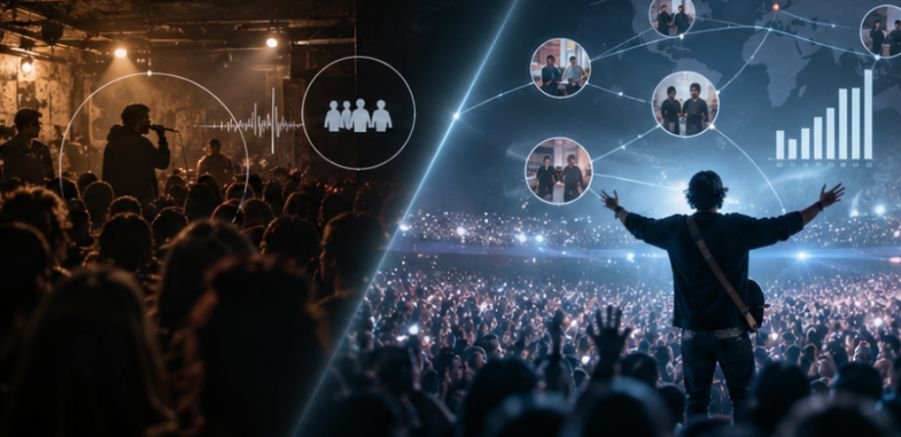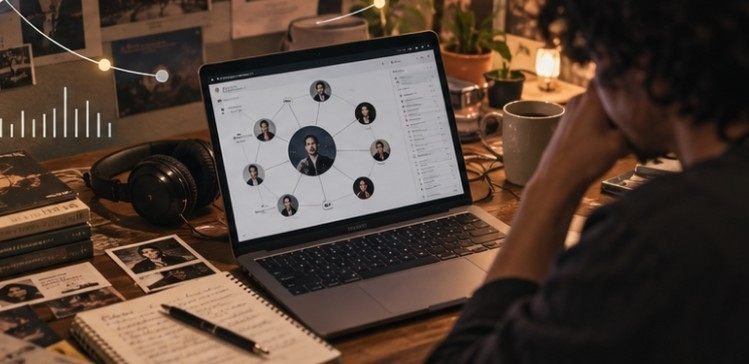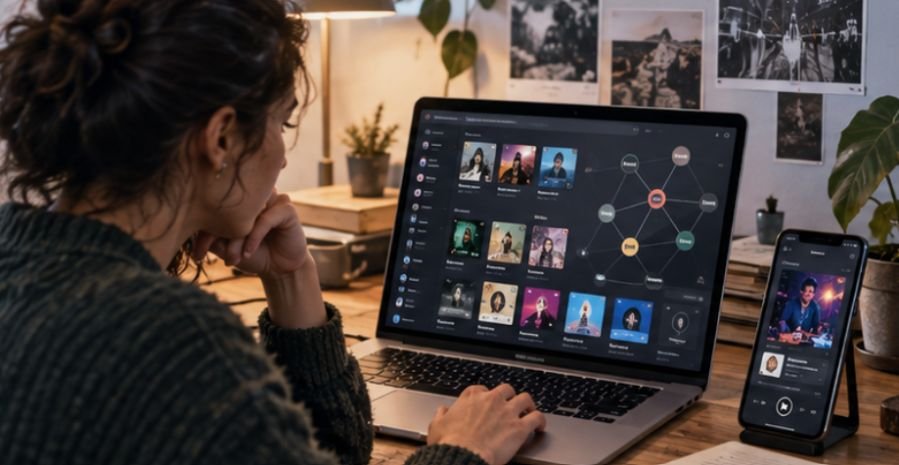
A song no longer needs a radio programmer, record executive, or major-label marketing budget to reach its first serious audience. It can start with a 20-second performance clip, move into a listener’s playlist, get shared in a group chat, and eventually send hundreds of people searching for the artist.
That shift explains how do independent artists get discovered now: usually through several connected moments rather than one dramatic breakthrough.
Social platforms create attention. Streaming platforms capture listening behavior. Collaborations introduce artists to established communities. Live performances turn casual listeners into real supporters. The independent artists who grow consistently learn how to connect those channels instead of hoping one viral post changes everything.
Discovery Has Become a Network, Not a Gate
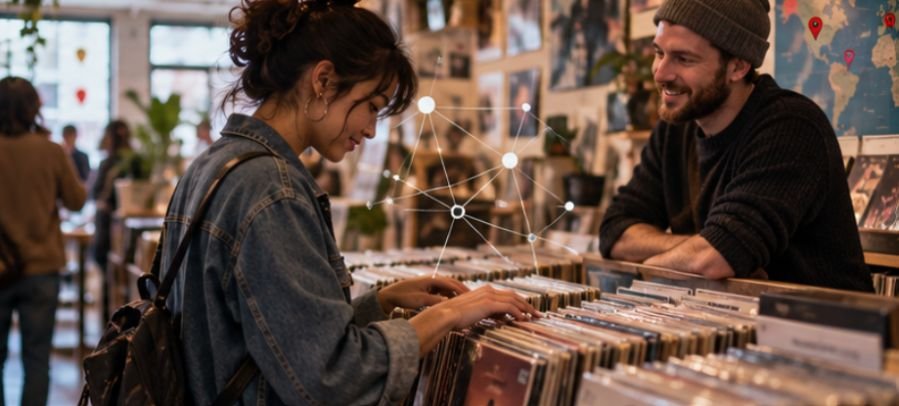
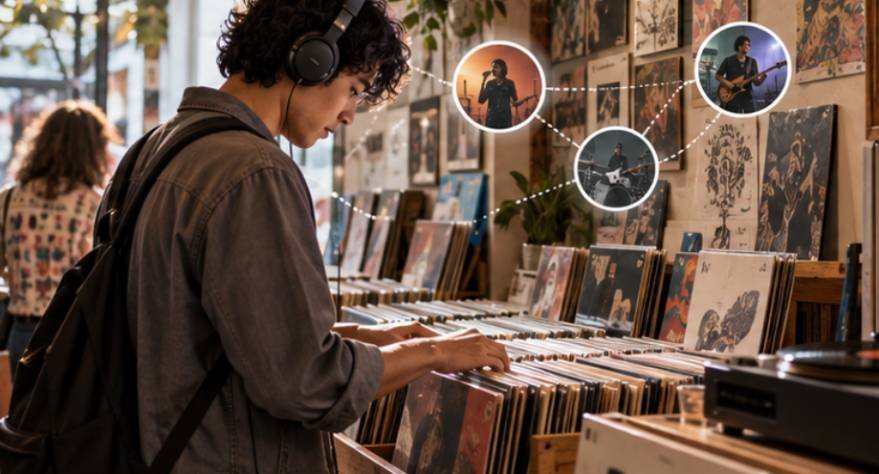
Music discovery once depended heavily on radio, record stores, music magazines, venue promoters, and labels. Those channels still matter, but listeners now encounter music virtually everywhere.
The Music Business Association notes that discovery takes place not only through streaming services but across social networks, websites, apps, blogs, and other places where fans interact with music. That changes an independent artist’s job.
Instead of asking, “How can I get discovered?” a more useful question is:
“How many realistic paths have I created for someone to discover me?”
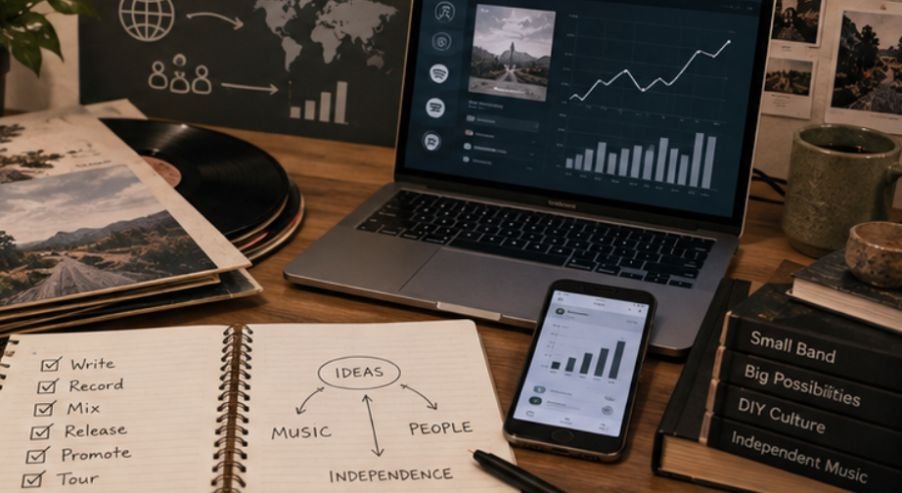
An artist depending exclusively on Spotify has one major discovery channel. An artist appearing on Spotify, YouTube, TikTok, Instagram, local shows, collaborations, podcasts, niche blogs, and fan playlists has created several entry points.
The goal is not to dominate every platform. It is to build multiple routes leading listeners toward the same music.
Short-Form Content Creates the First Spark
For emerging musicians, short-form video can function like a continuous audition.
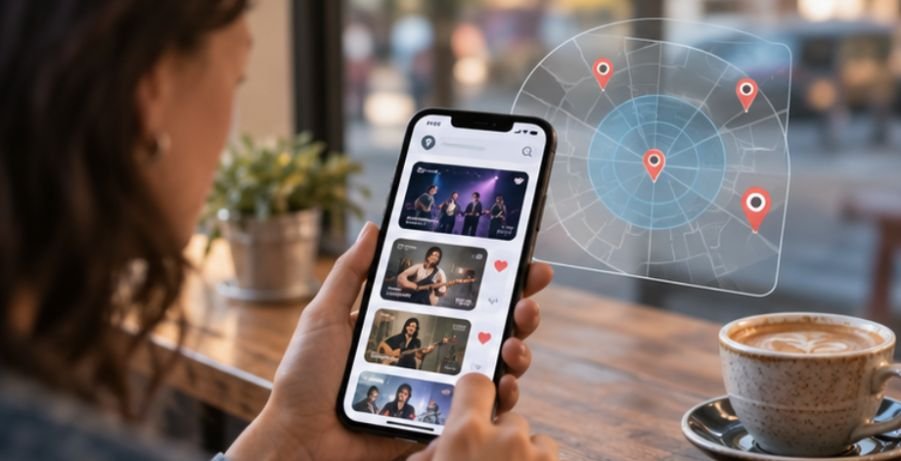
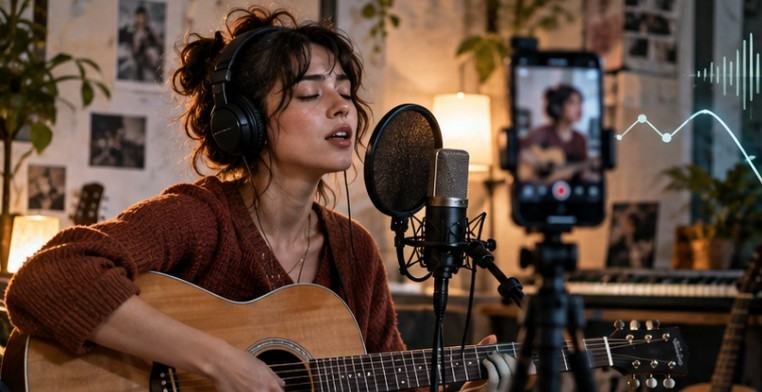
TikTok videos, Instagram Reels, and YouTube Shorts can introduce songs to people who have never searched for the artist. The strongest clips often provide a reason to stop scrolling immediately: an unusual vocal moment, recognizable lyric, impressive performance, recording-session mistake, production transformation, or memorable chorus.
Berklee College of Music recommends treating social content strategically rather than simply posting announcements. Its music-marketing guidance emphasizes storytelling, short-form content, consistent participation, and genuine audience engagement. Berklee’s independent artist marketing guidance
Musicians Institute makes a similar point: social media advice for musicians work best when artists establish a clear identity and use them to connect with an audience rather than treating every post as an advertisement.
Show the Story Around the Song
Repeatedly writing “stream my new single” gives listeners little emotional reason to care. One recording can produce several discovery opportunities:
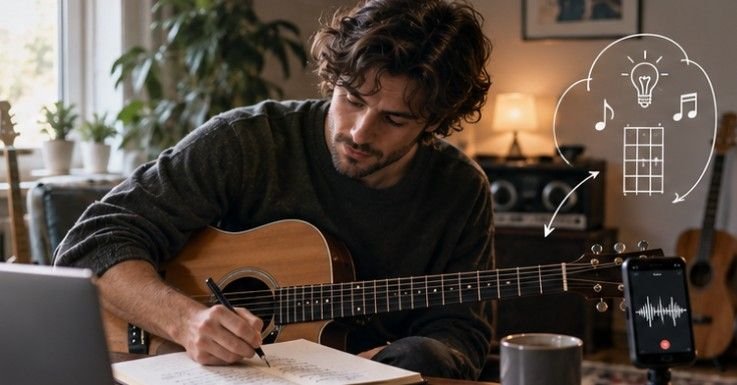
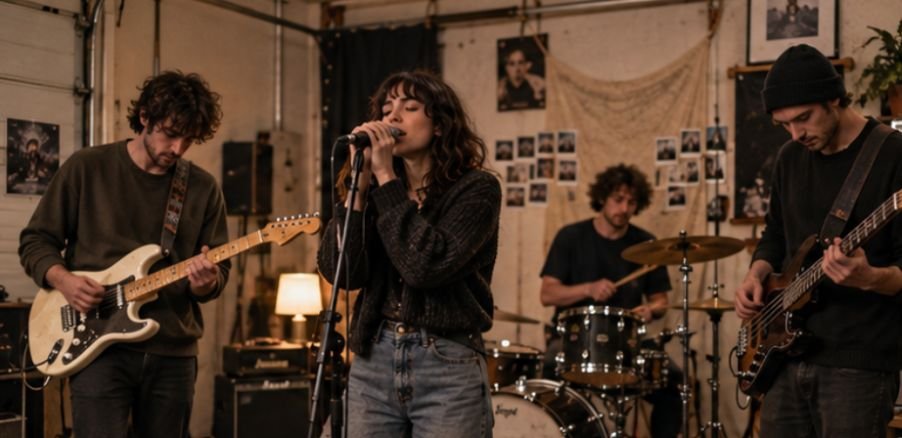
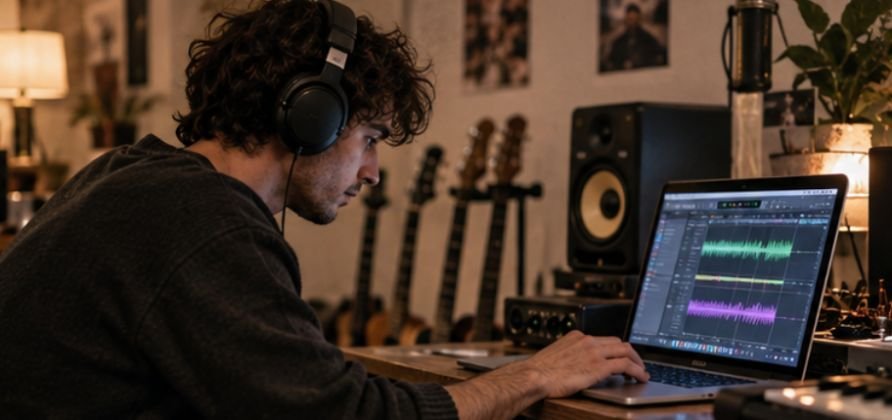
A songwriter can explain the lyric that started the track. A producer can demonstrate the original demo versus the final mix. A singer can perform the chorus acoustically. Another clip can show rehearsal footage, audience reaction, or an alternate verse. The song stays the same, but the reasons to encounter it multiply.
Streaming Platforms Turn Attention Into Signals
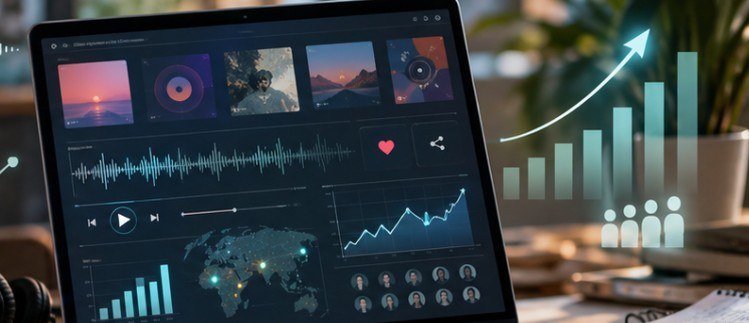
Social media may create awareness, but streaming activity can deepen it. Artists should make their profiles recognizable, maintain accurate information, upload professional artwork, and give listeners somewhere obvious to continue exploring. Release timing matters too.
Berklee’s 2025 music-marketing guidance suggests that many independent artists can benefit from releasing singles at roughly six-to-eight-week intervals. The idea is not to release unfinished music merely for consistency. It is to create recurring moments in which audiences and recommendation systems receive something new.
Playlist Placement Is Useful, but It Is Not the Entire Strategy
Playlist exposure can bring an artist in front of listeners who already enjoy a particular genre, mood, or scene.
Artists can pitch eligible unreleased tracks through platform artist tools and approach legitimate independent curators, blogs, college-radio contacts, and niche communities. But playlist numbers should not become the only measurement of success.
Ten thousand passive streams can be less valuable for long-term growth than 500 listeners who save songs, follow the artist, join an email list, buy tickets, or return for the next release. Discovery becomes meaningful when attention develops into repeated behavior.
Collaboration Lets Artists Borrow Trust, Not Just Reach
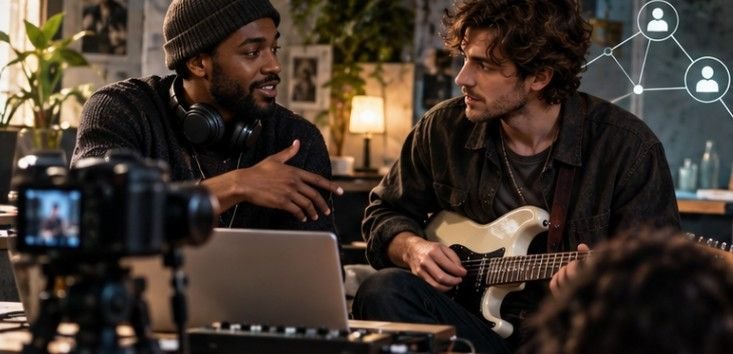
One of the fastest ways to enter a new audience is to work with someone that audience already knows. A collaboration does not have to involve a famous musician.
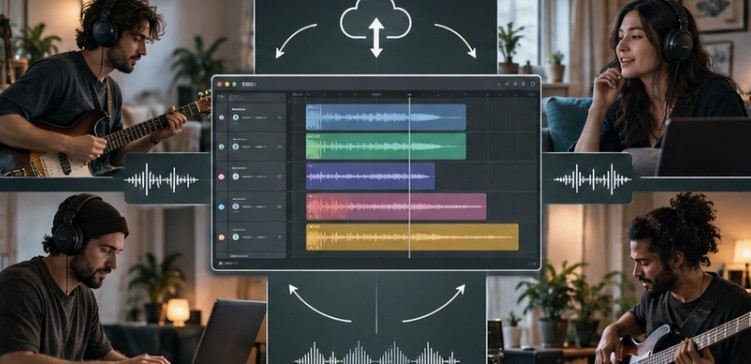
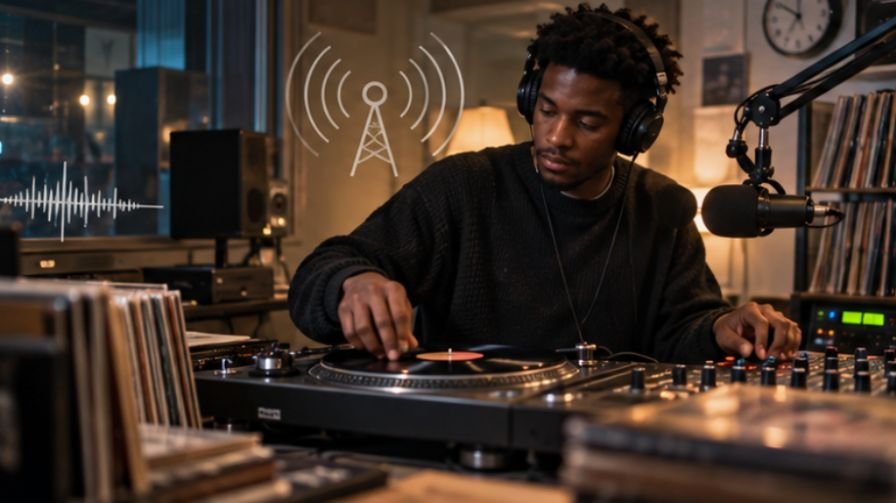
Two emerging artists with different groups of engaged listeners can introduce each other organically. Producers, photographers, dancers, videographers, DJs, college-radio hosts, local creators, and niche influencers can create similar crossover opportunities.
Consider a small indie singer collaborating with a local filmmaker. The filmmaker gets original music for a short project. The musician gets exposure to viewers who may never browse indie playlists.
That exchange can be more credible than an advertisement because discovery happens within content people already chose to watch.
Live Music Still Solves a Digital Problem
Online platforms offer enormous reach, but live performances provide something algorithms struggle to reproduce: concentrated attention.
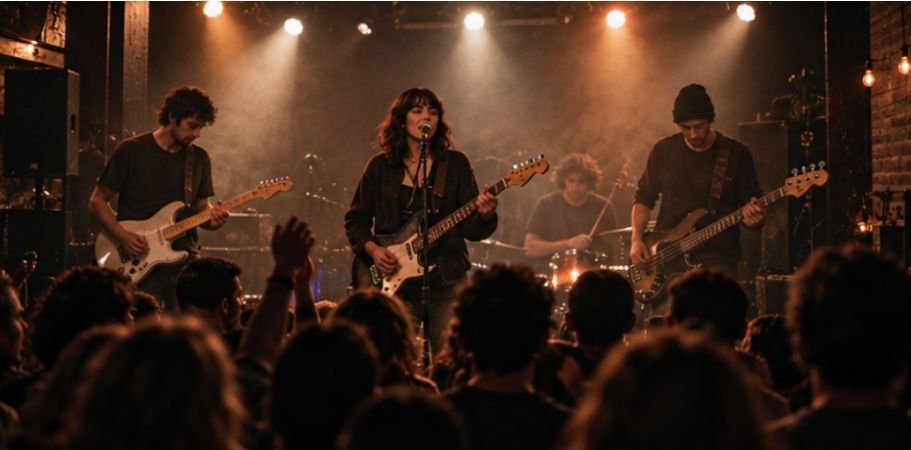
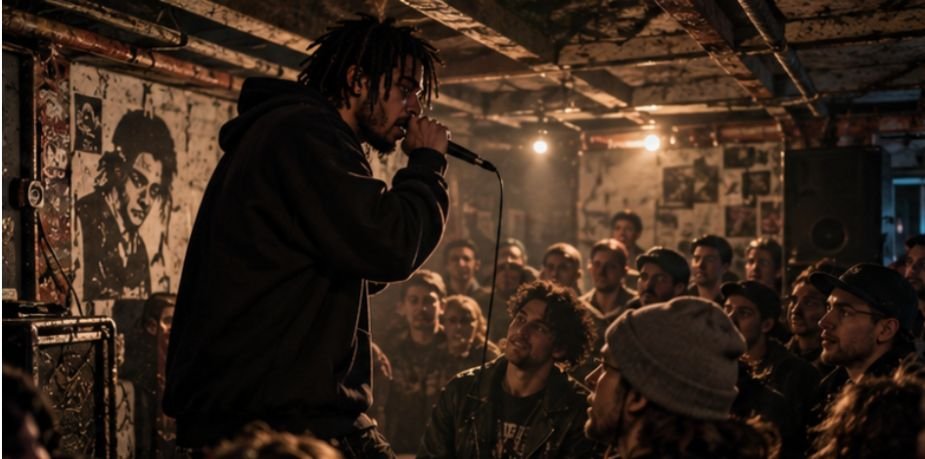
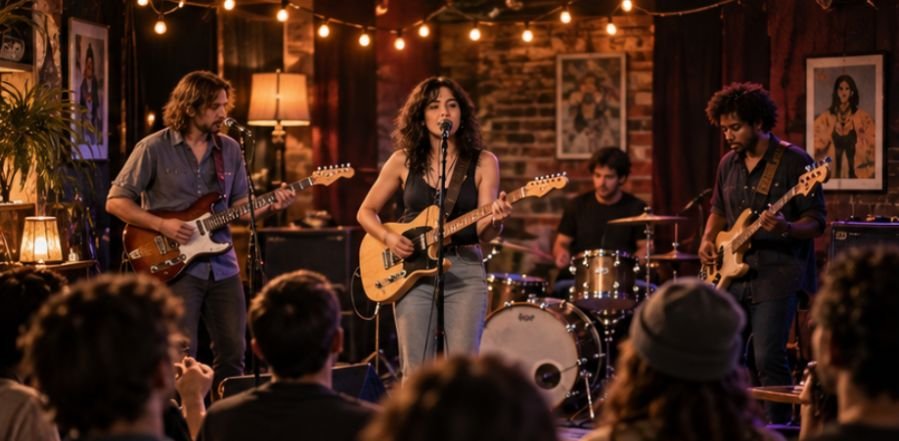
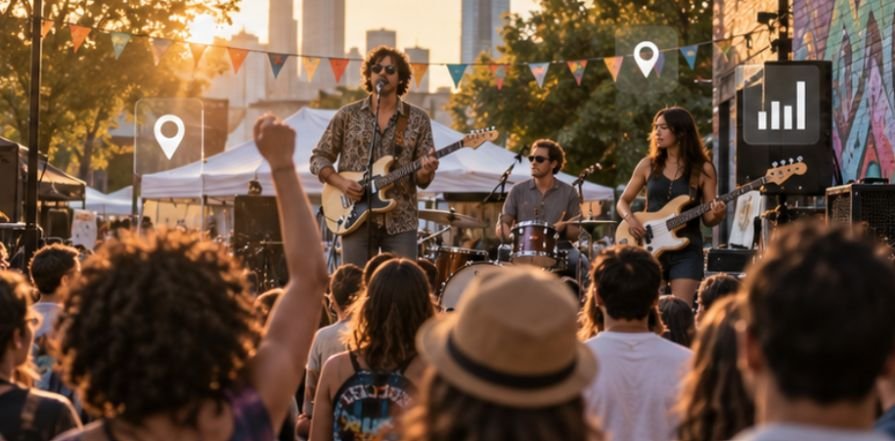
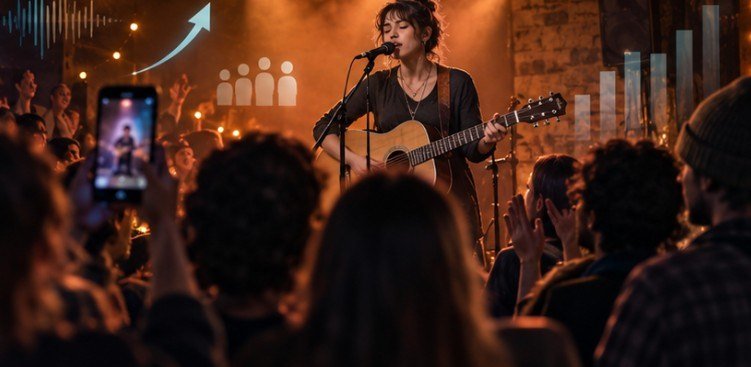
An open mic, support slot, college event, house concert, record-store performance, community festival, or small club gig places an artist in front of listeners for several uninterrupted minutes. The mistake is treating the show as the end of the interaction.
Artists should make it effortless for interested listeners to find them afterward. Consistent artist names, memorable social handles, clear streaming profiles, mailing-list signup options, and simple QR destinations can connect an offline encounter to an ongoing fan relationship.
A listener who follows after a show can later encounter a release announcement, performance clip, tour date, or collaboration. One physical discovery creates several digital opportunities.
Use the Four-Signal Discovery Test
Artists wondering how do independent artists get discovered can evaluate each release using four signals.
| Signal | Question to Ask | Healthy Evidence |
| Attention | Are new people encountering the song? | Video views, profile visits, new listeners |
| Interest | Do they care enough to interact? | Comments, saves, shares, playlist adds |
| Conversion | Are listeners becoming followers? | Follows, email signups, ticket interest |
| Retention | Do they return later? | Repeat listeners, returning viewers, repeat buyers |
A campaign can look impressive while failing this test.
For example, a video with 150,000 views but almost no profile visits suggests attention without meaningful curiosity. A song with modest reach but unusually strong saves and repeat listening may deserve more promotion because the people discovering it genuinely respond.
Follow the strongest signal rather than chasing the largest number.
Protect the Business Behind the Discovery
Greater exposure also makes music ownership and metadata more important.
Independent musicians should therefore keep songwriting splits, contributor information, ownership records, release metadata, and registrations organized before a track gains traction.
Library of Congress copyright resources also explain how streaming royalties can involve different rights and royalty systems.
Discovery is exciting. Discovering that successful streams cannot easily be connected to the correct songwriter data is considerably less exciting.
What Usually Does Not Work
The biggest misconception is that independent discovery requires going viral. Virality can accelerate attention, but it can also disappear quickly. A musician with 2,000 genuinely interested listeners may have a stronger career foundation than someone who received one million views from people who never listened again.
Buying fake streams, followers, comments, or questionable playlist placements creates an even larger problem. Artificial numbers provide little information about real demand and can distort the data artists need to make better decisions.
Another mistake is spreading limited time across every platform. A folk songwriter whose audience responds strongly to YouTube and live performances does not automatically need an elaborate TikTok operation. Go where meaningful listener behavior appears.
Frequently Asked Questions
1. How do independent artists get discovered online?
Most combine social media content, streaming releases, playlist exposure, collaborations, live performances, blogs, creator partnerships, and direct fan engagement rather than relying on one platform.
2. Do independent artists need TikTok to succeed?
No. TikTok can generate discovery, but YouTube, Instagram, streaming recommendations, live shows, playlists, communities, and collaborations can also build audiences.
3. How often should an independent artist release music?
There is no universal schedule. Berklee suggests roughly six to eight weeks between singles as one workable approach, provided the music and promotional material are ready.
4. Are playlists still important for new artists?
Yes, but playlist streams should be viewed alongside saves, follows, repeat listening, audience growth, and direct fan engagement.
The Real Breakthrough Is Repeat Discovery
A listener hearing a song once is exposure. Hearing the artist again, remembering the name, saving a track, watching another performance, and eventually showing up to a concert is discovery becoming a relationship. That distinction matters.
Independent artists cannot control which post takes off, which playlist curator responds, or which audience member shares a song. They can control how many legitimate opportunities they create for those events to happen.